
5 Best Hunting Air Rifle for Beginners
1. Gamo 6110017154 Varmint Air Rifle
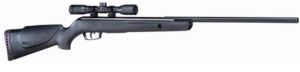
The Gamo 6110017154 Varmint Air Rifle is an excellent choice for anyone searching for the Best Hunting Air Rifle for Beginners. Built with a spring piston powerplant, this .177 caliber air rifle delivers dependable performance without requiring CO2 cartridges or compressed air tanks. It produces velocities of up to 1,250 feet per second, making it suitable for target practice and small pest control when used with the appropriate pellets. Its lightweight 5.5 pound design also makes it comfortable for beginners who are still developing their shooting skills.
One of the most useful features is the included 4×32 scope and mount, allowing new shooters to start using the rifle with minimal additional purchases. The scope offers sufficient magnification for learning proper aiming techniques, while the synthetic Monte Carlo stock provides a comfortable shooting position for both right and left handed users thanks to its dual raised cheekpieces. The fluted polymer jacket surrounding the steel barrel adds durability while helping keep the overall weight manageable.
Safety has also received proper attention. The rifle includes a manual safety together with an anti beartrap mechanism, reducing the chance of accidental discharge during cocking. These features make the rifle more beginner friendly while promoting safe handling habits. Since it uses a spring piston system, owners can expect reliable operation with very little maintenance beyond routine cleaning.
Accuracy is another strength of this air rifle. The steel barrel provides consistent pellet stabilization, making it capable of producing tight groups at typical air rifle hunting distances. Combined with its durable construction and affordable price, the Gamo Varmint offers excellent value for first time buyers who want an entry level hunting air rifle that can also serve well for recreational shooting.
Key Specifications
| Specification | Details |
|---|---|
| Brand | Gamo |
| Model | 6110017154 Varmint |
| Caliber | .177 |
| Power Type | Spring Piston |
| Maximum Velocity | 1,250 ft/sec |
| Capacity | Single Shot |
| Included Optic | 4×32 Scope and Mount |
| Barrel Material | Alloy Steel |
| Barrel Jacket | Fluted Polymer |
| Stock Material | Synthetic Monte Carlo Stock |
| Safety | Manual Safety |
| Safety Feature | Anti Beartrap Mechanism |
| Overall Dimensions | 43.3 x 3 x 6.2 inches |
| Weight | 5.5 pounds |
| Color | Black |
Pros
- Excellent value for first time air rifle owners
- Includes a 4×32 scope and mount for immediate use
- Lightweight design that is easy to carry and handle
- Good velocity for target shooting and small game hunting
- Reliable spring piston system that requires no external air source
Cons
- Spring piston action requires noticeable cocking effort
- Included scope is suitable for beginners but may need upgrading for advanced shooters
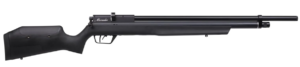
2. Benjamin Marauder Synthetic Stock PCP-Air Rifle
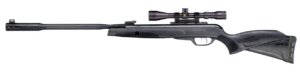
3. Gamo Whisper Fusion Mach 1 Break Barrel Pellet Air Rifle

Advantages of the Best Hunting Air Rifle for Beginners
1. Beginner Friendly Operation
The Best Hunting Air Rifle for Beginners can make the learning process easier by offering straightforward controls and manageable shooting mechanisms. Features such as multi pump systems, gas piston actions, and side lever cocking allow new shooters to learn loading, aiming, cocking, and trigger control without dealing with overly complicated systems.
2. Manageable Recoil
Air rifles generally produce considerably less recoil than conventional firearms, making them easier for beginners to control. Gas piston and PCP models can provide particularly smooth shooting characteristics, allowing new shooters to maintain a stable position and concentrate on accuracy rather than fighting excessive movement after each shot.
3. Good Accuracy for Skill Development
A quality beginner hunting air rifle can provide the accuracy needed to develop proper shooting fundamentals. Rifled barrels, consistent power delivery, and compatible optics help beginners practice aiming, trigger control, breathing, and shot placement while gradually improving their shooting technique.
4. Adjustable Power Options
Some beginner friendly air rifles provide useful control over shooting power. Multi pump models allow the shooter to vary the number of pumps, while PCP rifles offer regulated and consistent performance. This flexibility allows beginners to practice at appropriate power levels and adapt the rifle to different permitted shooting applications.
5. Multiple Ammunition Options
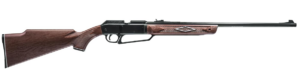
Certain models provide greater versatility by supporting different ammunition types. For example, the Daisy Powerline 880 can use both .177 pellets and BBs, giving beginners more opportunities for recreational target practice and familiarization before progressing toward more demanding shooting activities.
6. Reduced Shooting Noise
Many modern air rifles incorporate features designed to reduce muzzle noise. Shrouded barrels, sound suppression systems, and integrated baffles can make shooting more comfortable and less disruptive where their use is legally permitted. This can be particularly beneficial for beginners practicing their shooting skills in appropriate designated areas.
7. Comfortable and Customizable Design
A good beginner rifle should be comfortable enough to hold and operate consistently. Features such as adjustable cheek pieces, raised cheek rests, reversible controls, ergonomic grips, and manageable overall weight can help new shooters establish a more stable shooting position and maintain better control during practice sessions.
8. Lower Entry Cost and Operating Requirements
Many beginner air rifles are more affordable to purchase and operate than conventional firearms, particularly models that use spring piston or multi pump systems. They do not require conventional firearm ammunition, while PCP models can provide numerous shots from a single air fill, although they require access to an appropriate air source for refilling.
Factors to Consider When Choosing the Best Hunting Air Rifle for Beginners
1. Caliber
Caliber is an important consideration because it affects pellet size, trajectory, and overall shooting performance. A .177 caliber option is generally well suited to target practice and learning basic shooting skills, while .22 caliber models can provide greater pellet weight and energy for appropriate small game applications. Choose a caliber that matches your intended use and local regulations.
2. Power System
Consider whether the rifle uses a spring piston, gas piston, multi pump pneumatic, or PCP system. Spring and gas piston models are relatively straightforward because they do not require an external air supply, while multi pump rifles allow power adjustment. PCP models offer smooth, consistent performance but require a suitable method for filling the air reservoir.
3. Accuracy
Accuracy should be a priority because beginners need a rifle that helps them develop proper aiming and trigger control. Look for features such as a quality rifled barrel, consistent power delivery, and reliable sights or scope compatibility. The rifle should also perform consistently with suitable pellets at the distances you intend to shoot.
4. Weight and Handling
A rifle that is too heavy or poorly balanced can make learning more difficult, especially during longer practice sessions. Consider the overall weight, length, stock design, and balance before purchasing. A manageable rifle allows beginners to maintain a stable shooting position and handle the rifle with greater confidence.
5. Cocking and Loading Mechanism
The cocking and loading system should match the shooter’s strength and experience. Break barrel rifles require effort to cock, multi pump models require repeated pumping, while PCP rifles generally provide easier follow up shots but need to be filled with compressed air. Choose a mechanism that is practical for regular use without creating unnecessary difficulty.
6. Trigger and Safety Features
A predictable trigger and effective safety system are essential for developing good shooting habits. Adjustable triggers can allow users to personalize trigger pull characteristics, while manual safeties and other built in safety mechanisms provide additional control. Beginners should prioritize a rifle that encourages careful and responsible handling.
7. Noise Level
Consider how much noise the rifle produces, particularly if you will be practicing in an area where air rifle use is legally permitted. Shrouded barrels, integrated baffles, and other noise reduction systems can make shooting more comfortable. However, noise reduction does not eliminate the need to follow local laws and obtain permission where required.
8. Budget and Long Term Costs
The purchase price is only part of the total cost of owning an air rifle. Consider the price of pellets, optics, maintenance supplies, targets, and, for PCP models, the equipment required to refill the air reservoir. A slightly more expensive rifle may provide better durability and performance, but beginners should avoid paying for advanced features they are unlikely to use.
Frequently Asked Questions About the Best Hunting Air Rifle for Beginners
1. What caliber is best for a beginner hunting air rifle?
A .177 caliber air rifle is often a practical starting point because pellets are widely available and the caliber is well suited to target practice and developing shooting fundamentals. For appropriate small game applications, a .22 caliber option can provide a heavier pellet and greater impact. The best choice ultimately depends on the intended use, shooting distance, and applicable local regulations.
2. Should beginners choose a PCP or break barrel air rifle?
Both can work well, but they offer different advantages. A break barrel or gas piston rifle is simpler because it does not require an external air supply, while a PCP rifle generally provides smoother shooting, less recoil, and easier follow up shots. Beginners should choose based on their budget, willingness to manage an air filling system, and intended shooting activities.
3. What features should beginners prioritize in a hunting air rifle?
Beginners should prioritize manageable weight, good accuracy, a comfortable stock, a predictable trigger, reliable safety features, and a power system that is easy to operate. A suitable scope can also help with aiming and skill development. Most importantly, the rifle should match the user’s intended purpose and comply with all applicable laws and safe shooting practices.