The Best Scope for 22LR Long Range Shooting plays a critical role in turning a simple rimfire rifle into a precise long distance platform. Unlike short range shooting where basic optics may be enough, extended range .22LR shooting demands clear magnification, reliable tracking, and reticle systems that allow accurate holdovers and corrections. These scopes are designed to help shooters clearly identify small targets, read environmental conditions like wind, and make consistent adjustments that directly improve accuracy at distance.
These scopes are great for .22LR long range shooting because they bridge the gap between the cartridge’s natural ballistic limitations and the shooter’s precision goals. With the right optic, even a small rimfire round can be used effectively at 100 to 250 yards with repeatable results and improved confidence. In this guide, you will explore the key features that define a strong long range scope, the top picks worth considering, a practical buying guide to avoid costly mistakes, and FAQs that answer the most common questions about choosing the right optic for precision rimfire shooting.
5 Best Scope for 22LR Long Range Shooting
1. Sniper Scopes 5-25×56 Red/Green/Blue llluminate Reticle AO Hunting Scope (ND5-25X56 AOGL)
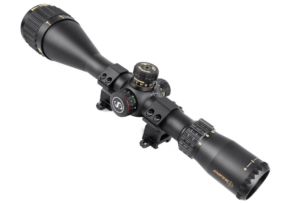
The Sniper 5 25×56 AOGL Riflescope offers an impressive feature set for shooters looking for an affordable long range optic for their .22LR rifle. Its wide magnification range allows users to move from close range plinking to precision target shooting at extended distances. For shooters experimenting with .22LR trajectory and wind holds, the mil dot reticle provides useful reference points for compensation.
Image clarity is respectable for the price category. The multi coated lens system helps improve brightness and reduce glare, especially during daylight shooting sessions. While it cannot match the edge to edge sharpness of higher end optics, the scope performs adequately for recreational long range shooting and hunting applications.
One of the more useful features is the adjustable objective system. Since .22LR rounds are commonly used between 50 and 200 yards, proper parallax adjustment matters more than many beginners realize. The ability to fine tune focus from 10 yards to infinity gives this optic added flexibility for rimfire shooters.
The illuminated reticle adds another layer of usability. Shooters can choose between red, green, and blue illumination depending on lighting conditions and personal preference. This can improve target visibility during early morning or evening shooting sessions.
Durability is decent for general outdoor use. The nitrogen purged tube and sealed construction help resist fogging and moisture, making the scope suitable for changing weather conditions. The aluminum body also keeps overall weight manageable while still feeling reasonably solid on a rimfire platform.
The main weakness comes from precision consistency. The turrets provide 1/4 MOA click adjustments and include zero reset functionality, but advanced shooters may notice less reliable tracking compared to higher quality tactical scopes. For casual long range shooting this may not be a major issue, but for serious precision work it becomes more noticeable.
Key Specifications
- Brand: Sniper
- Magnification: 5x to 25x
- Objective Lens Diameter: 56mm
- Reticle Type: Illuminated Mil Dot
- Reticle Colors: Red, Green, Blue
- Focal Plane: Second Focal Plane
- Eye Relief: 3.7 to 3.8 inches
- Parallax Adjustment: 10 yards to infinity
- Adjustment Click Value: 1/4 MOA
- Material: Aluminum
- Weight: 24 ounces
- Finish Color: Black
- Waterproof: Yes
- Fogproof: Yes
Pros
- Affordable for the feature set offered
- High magnification works well for long range .22LR shooting
- Adjustable parallax is excellent for rimfire use
- Large objective lens improves brightness
- Multiple illumination colors increase visibility options
- Good choice for beginner precision shooters
Cons
- Heavier than some compact rimfire scopes
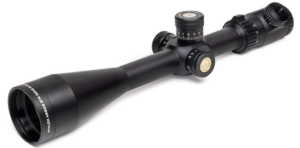
The Athlon Optics Argos BTR GEN2 8 34×56 is built for shooters who want advanced long range performance without paying premium flagship prices. Its feature set targets precision shooters who demand reliable adjustments, detailed reticle functionality, and strong optical clarity for extended distance shooting.
The first focal plane reticle is one of the scope’s biggest advantages. Since the reticle scales with magnification, MOA holdovers remain accurate at every zoom level. This becomes extremely useful for .22LR long range shooting where bullet drop changes dramatically between distances. Shooters can quickly hold for elevation and wind without relying entirely on turret dialing.
Optical performance is impressive within its price category. The fully multicoated lenses provide a bright and relatively sharp image, especially during daylight shooting. Edge clarity remains solid across most of the magnification range, although image quality softens slightly at maximum power, which is common in mid range optics.
The 56mm objective lens helps improve light transmission and target visibility at longer distances. Combined with the fine reticle design, shooters can spot impacts and maintain target detail more effectively than with smaller hunting scopes.
Another major strength is the turret system. The 0.25 MOA click adjustments feel more precise and repeatable than many competing optics in the same price range. The Precision Zero Stop system is especially useful for shooters dialing elevation repeatedly during long range sessions. Returning to zero becomes fast and consistent without guesswork.
Parallax adjustment from 15 yards to infinity also makes this scope highly compatible with rimfire rifles. Many centerfire optics struggle at close rimfire distances, but the Argos BTR GEN2 handles short range focus correction effectively, which matters for precision .22LR shooting.
Its biggest downside is size and weight. At 32 ounces, this is not a lightweight optic. Mounted on a small rimfire rifle, the setup can become front heavy. This scope is better suited for bench shooting, competition rifles, or heavy barreled precision builds rather than lightweight field rifles.
Key Specifications
- Brand: Athlon Optics
- Model: Argos BTR GEN2 8 34×56
- Magnification: 8x to 34x
- Objective Lens Diameter: 56mm
- Reticle Type: APLR2 FFP IR MOA
- Focal Plane: First Focal Plane
- Adjustment Value: 0.25 MOA
- Total Elevation Adjustment: 45 MOA
- Parallax Adjustment: 15 yards to infinity
- Weight: 32 ounces
- Material: Aluminum
- Finish Color: Black
- Illuminated Reticle: Yes
- Compatible Devices: Rifle
Pros
- Excellent reticle functionality for long range rimfire shooting
- Reliable turret tracking and adjustment consistency
- First focal plane design improves holdover accuracy
- Strong optical clarity for the price category
- Parallax adjustment works well for .22LR distances
- Precision Zero Stop adds practical value
- Good option for NRL22 and benchrest shooters
Cons
- Not ideal for lightweight hunting rifle setups
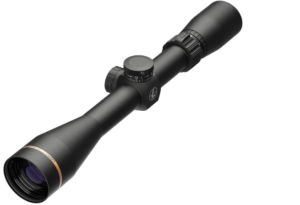
The Leupold VX-Freedom 3-9×40 is designed around simplicity, durability, and optical clarity rather than extreme magnification or tactical features. It is built for hunters who need a dependable sighting system in real field conditions, not shooters trying to stretch rimfire rifles to their ballistic limits.
Optically, it performs very well. The Twilight Light Management System improves low light brightness and reduces glare, which is genuinely useful for dawn and dusk shooting. Compared to budget PRS-style scopes or entry LPVOs, the image is cleaner, more natural, and less distorted at the edges. This matters more than people admit when trying to identify small targets at distance.
However, the magnification range is the first major limitation. 9x is simply not enough for serious .22LR long range work past ~150–200 yards if you care about precision. You can hit targets, yes—but you lose fine detail needed for wind calls, bullet trace reading, and consistent small group shooting.
The second limitation is turret design philosophy. The 1/4 MOA adjustments are precise, but this scope is not meant to be spun constantly. It’s built for “zero it and hunt” use, not continuous dialing like a PRS scope. If you try to use it like a tactical scope, you’re using it against its design.
Where it absolutely dominates is reliability. Leupold builds these to survive abuse, recoil, weather, and long-term field use without drifting zero. That matters more than extra magnification if you value consistency over time. Many budget high magnification scopes simply cannot match this mechanical stability.
The Duplex CDS reticle is also a limitation for long range rimfire shooting. It is intentionally simple, which is great for hunting but poor for ranging, holdovers, and wind correction. You will be doing all your ballistic work manually without much reticle assistance.
Key Specifications
- Brand: Leupold
- Model: VX-Freedom 3-9×40
- Magnification: 3x to 9x
- Objective Lens Diameter: 40mm
- Reticle: Duplex CDS
- Adjustment: 1/4 MOA
- Material: 6061-T6 Aluminum
- Weight: 1.2 lbs
- Use Case: Hunting / general rifle shooting
- Weather Resistance: Waterproof, fogproof, shockproof
Pros
- Extremely reliable and durable construction
- Excellent optical clarity for hunting class scope
- Very good low light performance
- Consistent zero retention over time
- Lightweight and easy to mount on .22LR rifles
- Better glass quality than most budget PRS and LPVO options
Cons
- No parallax adjustment system
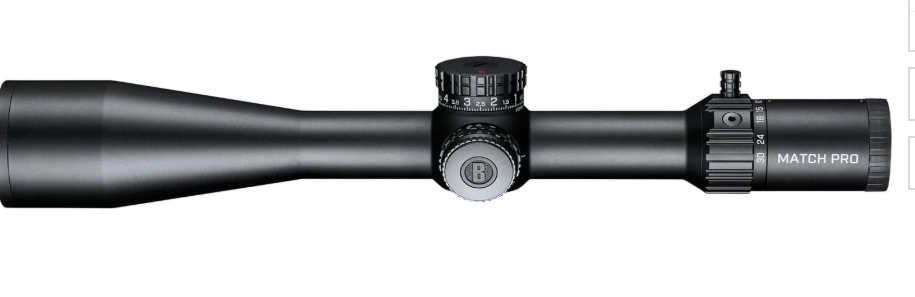
4. Bushnell Match Pro 5-30×56 Riflescope – DM2 MRAD Reticle
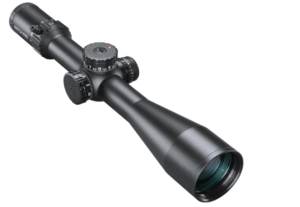
The Bushnell Match Pro 5–30×56 sits firmly in the precision shooting category, designed for PRS and NRL22 competition where repeatable tracking, usable reticles, and consistent adjustment matter more than speed or simplicity. Compared to all the LPVOs you listed earlier, this is not even the same class of tool.
The 5–30x magnification range is a major strength for rimfire long range shooting. At 5x, it remains usable for closer targets and stage transitions. At 30x, it provides the detail needed to clearly see impacts, read wind movement, and engage small targets at 200 meters and beyond. This is where .22LR shooting actually becomes technical rather than casual.
The 56mm objective lens improves light transmission at higher magnification, which is critical because most scopes lose clarity as magnification increases. In practical terms, this helps maintain usable image quality during early morning matches or low contrast lighting conditions.
One of its strongest advantages is the 34mm tube system with 29 MRAD elevation travel. That level of internal adjustment is not marketing fluff—it directly affects whether you can dial for extreme rimfire drop without running out of turret range. Many cheaper scopes fail exactly here, forcing shooters to rely on holds instead of dialing.
The DM2 MRAD reticle is designed for precision use, not hunting shortcuts or BDC guessing systems. That matters. Unlike LPVO reticles that assume specific centerfire cartridges, this reticle supports real ballistic calculation work. For .22LR shooters, that means you can build your own dope and actually use it consistently.
Parallax adjustment down to 15 yards is another major advantage. Rimfire shooting suffers heavily from parallax error at distance, especially on small targets. Being able to fine tune focus at close range and then scale out to infinity gives you real control over precision, not just visual clarity.
The turrets are also built for competition use. Locking elevation, clear markings, and a visible revolution indicator reduce the chance of losing track mid-stage. That matters under pressure when you are dialing repeatedly during timed shooting.
Key Specifications
- Brand: Bushnell
- Model: Match Pro 5–30×56
- Magnification: 5x to 30x
- Objective Lens: 56mm
- Tube Diameter: 34mm
- Reticle: Deploy G5i (MRAD)
- Focal Plane: First Focal Plane
- Elevation Travel: 29 MRAD
- Windage Travel: 14.5 MRAD
- Parallax: 15 yards to infinity
- Waterproof Rating: IPX7
- Material: Metal and glass
- Illumination: Yes
Pros
- Excellent magnification range for .22LR long range shooting
- Strong elevation travel for dialing at extended distances
- True precision reticle designed for MRAD tracking work
- Parallax adjustment down to rimfire distances (15 yards)
- Reliable turret system designed for repeated adjustments
- Suitable for NRL22 and PRS rimfire competition
- Clear image at high magnification compared to budget scopes
Cons
- Not ideal for fast dynamic shooting styles
5. Sidewinder 30 Riflescope 6-24X56 20x 1/2 Mil Dot +
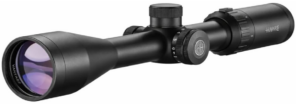
The Hawke Sidewinder 30 6–24×56 is built as a mid range precision scope intended for airgun, rimfire, and general target shooting. It offers enough magnification and adjustment flexibility to support .22LR long range shooting, especially out to 150–250 yards depending on shooter skill.
The 6–24x magnification range is practical for rimfire use. It provides enough zoom to clearly resolve small targets at distance while avoiding some of the image degradation and mirage issues that can appear at extreme 30x levels. Compared to higher magnification PRS scopes, this makes it slightly more forgiving in real shooting environments.
The 56mm objective lens helps maintain brightness at higher magnification, which is important when shooting at reduced contrast targets or during early morning conditions. Image clarity is generally solid in the mid magnification range, though it may not match the sharpness consistency of higher end Bushnell or Athlon optics at maximum zoom.
The Mil Dot style reticle gives usable reference points for holdovers, but it is not as advanced or competition focused as modern MRAD PRS reticles. That means you can still shoot long range effectively, but you will rely more on external ballistic knowledge rather than refined reticle systems.
One of the strengths of the Sidewinder line is turret usability. Adjustments are generally precise enough for practical long range shooting, but not always as mechanically refined as premium competition scopes. This is where the difference shows between “good enough” and “repeatable under stress.”
Parallax adjustment and side focus (typical in this class) make it usable for rimfire distances, which is critical. Without this feature, it would immediately fall out of contention for .22LR long range work.
However, there is a ceiling here. While it performs well for recreational long range shooting and even entry level competition, it does not have the same reputation for tracking consistency or mechanical repeatability as dedicated PRS-grade optics like Bushnell Match Pro or Athlon Ares/Argos higher tiers.
Key Specifications
- Brand: Hawke
- Model: Sidewinder 30 6–24×56
- Magnification: 6x to 24x
- Objective Lens: 56mm
- Tube Diameter: 30mm
- Reticle: Mil Dot
- Material: Aluminum
- Weight: 2.6 pounds
- Parallax: Side adjustable
- Use Case: Airgun, rimfire, target shooting
- Finish: Black
Pros
- Good magnification range for .22LR long range shooting
- More forgiving image quality than extreme 30x scopes
- Usable for recreational precision and practice shooting
- 56mm objective provides decent brightness
- Suitable for mid range rimfire and airgun use
- Parallax adjustment improves long range usability
Cons
- Not ideal for serious competition use under pressure
Also Read: Best Scope for Long Range Precision Shooting
Also Read: Best Scope for Air Rifle Target Shooting
Frequently Asked Questions About the Best Scope for 22LR Long Range Shooting
1. What magnification is best for 22LR long range shooting?
The ideal magnification depends on how far you plan to shoot, but for true long range rimfire shooting beyond 100 yards, higher magnification is essential. Lower magnification limits your ability to clearly see small targets and read wind conditions, while very high magnification can become less usable in real environments due to mirage and reduced field of view. The key is choosing a range that allows both situational awareness and detailed target resolution, rather than focusing only on maximum zoom numbers.
2. Do I need parallax adjustment for 22LR long range shooting?
Yes, parallax adjustment is very important for precision rimfire shooting. Without it, the reticle can shift relative to the target when your eye position changes, which leads to inconsistent shot placement. Since .22LR shooting often involves small targets at varying distances, adjustable parallax ensures the point of aim remains stable and accurate. This feature becomes even more critical as distance increases and target size decreases.
3. Is a high-end scope necessary for 22LR long range shooting?
A high-end scope is not absolutely required, but lower quality optics will quickly limit your progress and consistency. Precision rimfire shooting depends on reliable turret tracking, clear glass, and usable reticles. Cheap or low-quality scopes often fail in mechanical consistency, which leads to frustration and inconsistent results even when your shooting technique is correct. Investing in a properly engineered scope improves both accuracy and learning speed significantly.
Conclusion
Selecting the Best Scope for 22LR Long Range Shooting is ultimately about choosing precision tools that match the demands of distance rimfire shooting. Scopes in this category stand out because they offer the magnification needed to clearly resolve small targets, along with reliable turret systems that allow accurate elevation and wind adjustments. Features like adjustable parallax and well designed MRAD or MOA reticles make a major difference, turning estimation into structured, repeatable shooting. Without these elements, long range rimfire shooting quickly becomes inconsistent and heavily dependent on luck rather than skill.
Across the options discussed, the strongest scopes are those built specifically for dialing and precision work rather than speed focused or hunting oriented shooting. They allow shooters to read wind more effectively, correct misses with confidence, and develop real long range fundamentals. While simpler scopes may still work for casual shooting, they fall short when accuracy and consistency at extended distances become the goal. In the end, the Best Scope for 22LR Long Range Shooting is one that removes guesswork, supports accurate adjustments, and gives the shooter full control over every shot.