High power binocular for wildlife viewing is designed for observers who need more than just a basic visual aid, offering the ability to study animals at distance with clarity, stability, and detail. These binoculars are great for wildlife observation because they combine magnification, optical precision, and durability to handle real outdoor conditions where lighting changes, subjects move quickly, and viewing distances are often unpredictable. Instead of simply enlarging an image, they are built to maintain usable detail and comfort during extended field use.
In this guide, you will find a breakdown of the key features that define performance, top picks across different categories, a practical buying guide focused on real field needs, and frequently asked questions to clear common doubts. The goal is to help you understand what actually matters when choosing a binocular for wildlife viewing, so you can avoid overhyped specifications and focus on tools that deliver consistent results in real environments.
5 Best High Power Binocular for Wildlife Viewing
1 SIG SAUER ZULU6 HDX PRO 18x50mm Waterproof Fogproof

When searching for the Best High Power Binocular for Wildlife Viewing, magnification alone is not enough. Wildlife observation often happens at long distances, in changing light, and without perfectly stable conditions. The SIG SAUER ZULU6 HDX PRO 18x50mm is designed to solve those challenges by combining powerful 18x magnification with advanced image stabilization and premium optical performance.
This binocular delivers a viewing experience that feels noticeably steadier than traditional high magnification models. Its OmniScan Optical Image Stabilization system automatically adjusts stabilization levels depending on movement, helping maintain a clear image while handholding. This makes it especially useful for wildlife enthusiasts tracking animals across open landscapes, observing birds from a distance, or scanning large areas without needing to set up a tripod.
Optically, the HDX PRO lens system elevates image quality through improved light transmission, reduced glare, and stronger color accuracy. The anti reflection SpectraCoat coatings improve clarity during early morning and evening viewing sessions, while LensArmor coatings increase resistance to scratches and wear. Combined with large 50mm objective lenses, the binocular captures plenty of light and maintains strong image detail in lower light conditions.
Comfort and practicality have also been improved. The battery compartments are positioned to create better balance during extended sessions, while the textured focus wheel and diopter ring provide easier adjustments in outdoor conditions. Powered by two AA batteries, the binocular can operate for up to 40 hours before replacement. The included carrying case and neck strap make transport straightforward during field use.
Engineered for rugged environments, the ZULU6 HDX PRO carries an IPX7 waterproof and fogproof rating. Its thermoplastic body and rubber armored exterior create a durable platform capable of handling demanding wildlife adventures while maintaining a secure grip.
Key Specifications
| Specification | Details |
|---|---|
| Brand | SIG SAUER |
| Model | ZULU6 HDX PRO |
| Magnification | 18x |
| Objective Lens Diameter | 50mm |
| Stabilization System | OmniScan Optical Image Stabilization |
| Lens Coatings | HDX PRO, SpectraCoat, LensArmor |
| Waterproof Rating | IPX7 |
| Fogproof | Yes |
| Runtime | Up to 40 Hours |
| Power Source | 2 AA Batteries |
| Body Material | Thermoplastic with Rubber Armor |
| Mount Compatibility | Tripod Compatible |
| Included Accessories | Foam Carrying Case, Neck Strap |
Pros
- Excellent 18x magnification for long distance wildlife viewing
- Advanced image stabilization significantly reduces hand shake
- Strong low light performance with improved light transmission
- Durable waterproof and fogproof construction
- Long battery life for extended outdoor use
- Comfortable ergonomics and balanced handling
Cons
- Higher weight compared to standard binocular models
- Premium pricing may not suit casual users
- Requires batteries for stabilization functions
2. Celestron Nature DX 8×42 Binoculars – Waterproof and Fogproof

Choosing the Best High Power Binocular for Wildlife Viewing is not always about maximum magnification. A good wildlife binocular should deliver a stable image, wide viewing angles, reliable brightness, and enough portability for long outdoor sessions. The Celestron Nature DX 8×42 focuses on balancing all of these qualities, making it a strong option for birdwatchers and outdoor enthusiasts who value versatility.
The 8x magnification provides enough reach to observe wildlife details without introducing excessive hand movement that often comes with stronger magnification levels. Combined with the 42mm objective lenses, the binocular gathers sufficient light to create bright and detailed views across different environments. This combination works especially well for birdwatching, woodland observation, hiking trails, and everyday outdoor exploration.
Optical performance is one of the strongest aspects of the Nature DX 8×42. Fully multi coated lenses maximize light transmission while phase coated BaK 4 prisms improve image contrast and resolution. The result is a viewing experience that feels crisp with natural colors and solid edge clarity. The wide 7.4 degree field of view also helps users track moving birds and scan large landscapes more comfortably.
Built for outdoor use, the binocular features waterproof construction and nitrogen purging to resist internal fogging during rain, humidity, and changing temperatures. The rubber armored polycarbonate body adds impact resistance while improving grip during long sessions outdoors. A built in tripod adapter socket also allows for extended stable viewing when needed.
Key Specifications
| Specification | Details |
|---|---|
| Brand | Celestron |
| Model | Nature DX 8×42 |
| Magnification | 8x |
| Objective Lens Diameter | 42mm |
| Prism Type | Phase Coated BaK 4 |
| Lens Coating | Fully Multi Coated |
| Field of View | 7.4° |
| Waterproof | Yes |
| Fogproof | Nitrogen Purged |
| Housing Material | Rubber Armored Polycarbonate |
| Tripod Compatible | Yes |
| Best Use | Birdwatching, Wildlife Viewing, Hiking |
Pros
- Sharp and color accurate image quality
- Wide field of view makes tracking wildlife easier
- Lightweight and comfortable for extended use
- Waterproof and fog resistant construction
- Tripod adaptable for stable observation
- Excellent value for outdoor enthusiasts
Cons
- 8x magnification offers less reach for very distant subjects
- Tripod adapter sold separately
- Low light performance is good but not at premium level
3. Sogries 10-30×50 Zoom Binoculars for Adults

Finding the Best High Power Binocular for Wildlife Viewing often means balancing magnification, image quality, portability, and real world usability. The Sogries 10–30×50 Zoom Binoculars target users who want flexible viewing distances in a single device, offering adjustable magnification that can adapt to different outdoor situations without carrying multiple optics.
The biggest advantage of this model is its variable 10x to 30x zoom range. At lower magnification, users get a steadier image and wider viewing experience for scanning landscapes and following moving wildlife. Increasing to 30x allows closer inspection of distant animals, scenery, or event details. The 50mm objective lenses help maintain image brightness and improve detail collection across changing outdoor conditions.
Image quality is supported by BaK 4 prisms and FMC multi coated lenses designed to improve light transmission and maintain color accuracy. According to the specifications, the optical system reaches up to 99.5 percent light transmission while reducing reflections and glare. The binoculars also provide usable visibility during low light periods such as dawn and dusk, although they are not intended for complete darkness.
Durability and comfort were clearly considered in the construction. The rubber armored body improves grip while adding protection against bumps and outdoor wear. Waterproof sealing and anti fog coatings help keep the internal optics protected from moisture and debris. Adjustable eyecups and smooth zoom controls make the binoculars easier to adapt for users with or without glasses. Because of the higher zoom levels and metal barrel construction, tripod use is recommended for the most stable viewing experience.
Key Specifications
| Specification | Details |
|---|---|
| Brand | Sogries |
| Model | 10–30×50 Zoom Binoculars |
| Magnification | 10x to 30x |
| Objective Lens Diameter | 50mm |
| Prism Type | BaK 4 |
| Lens Coating | FMC Multi Coated |
| Maximum Light Transmission | Up to 99.5% |
| Low Light Performance | Yes |
| Waterproof | Yes |
| Anti Fog | Yes |
| Grip Material | Rubber Armor |
| Eyecups | Twist Adjustable |
| Recommended Accessory | Tripod |
Pros
- Flexible 10x to 30x zoom range for multiple viewing scenarios
- Large 50mm lenses provide bright and detailed images
- Good low light performance for dawn and evening use
- Waterproof construction with anti fog protection
- Comfortable eyecups suitable for glasses users
- Backed by a long warranty period
Cons
- Higher magnification becomes difficult to hold steadily by hand
- Heavier construction reduces portability
- Image sharpness can decrease at maximum zoom levels
4. ZEISS Terra ED Binoculars 10×42 Waterproof, Green
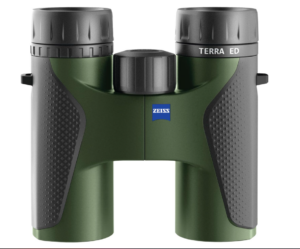
Choosing the Best High Power Binocular for Wildlife Viewing requires more than chasing extreme magnification. Image clarity, speed of focus, brightness, and field usability often matter more during real wildlife encounters. The ZEISS Terra ED 10×42 is designed around this philosophy, combining premium optical engineering with practical outdoor performance in a lightweight package.
The 10x magnification provides an excellent middle ground for wildlife observation. It offers noticeably more reach than entry level 8x models while remaining easier to stabilize than ultra high magnification binoculars. Paired with 42mm objective lenses, the Terra ED delivers bright and detailed views that perform well across forests, open landscapes, and changing daylight conditions.
Optically, ZEISS places strong emphasis on image quality. The Schmidt Pechan ED glass system combined with hydrophobic multi coating allows up to 88 percent light transmission for bright, clean viewing. ZEISS anti reflective coatings enhance contrast and reduce glare, helping preserve image quality in challenging lighting and twilight conditions. Colors appear natural while details remain sharp across the frame, making wildlife easier to identify and track.
Field usability is another strong point of the Terra ED. The large focus wheel is positioned for quick and natural adjustments when subjects move unexpectedly. Its lightweight fiberglass reinforced body improves portability without sacrificing durability, while waterproof construction and weather resistant coatings make the binocular dependable in rain, humidity, and unpredictable outdoor conditions.
Key Specifications
| Specification | Details |
|---|---|
| Brand | ZEISS |
| Model | Terra ED 10×42 |
| Magnification | 10x |
| Objective Lens Diameter | 42mm |
| Glass Type | Schmidt Pechan ED Glass |
| Light Transmission | 88% |
| Lens Coating | Hydrophobic Multi Coating |
| Anti Reflective Coating | Yes |
| Waterproof | Yes |
| Housing Material | Fiberglass Reinforced Casing |
| Focus System | Large Fast Focus Wheel |
| Best Use | Wildlife Viewing, Birdwatching, Hunting, Sightseeing |
Pros
- Excellent optical clarity with strong contrast and color accuracy
- 88 percent light transmission improves low light viewing
- Fast and comfortable focusing for moving wildlife
- Lightweight design suitable for long outdoor sessions
- Weather resistant coatings maintain visibility in rain and humidity
- Compact build with strong durability
Cons
- Premium pricing compared to mid range alternatives
- 10x magnification may not satisfy users wanting extreme long range reach
- No image stabilization for handheld extended observation
5. Vortex Optics Diamondback HD 8×42 Binoculars

Finding the Best High Power Binocular for Wildlife Viewing is not always about increasing magnification. Long observation sessions often benefit more from sharp optics, comfortable handling, reliable weather protection, and a stable viewing experience. The Vortex Optics Diamondback HD 8×42 focuses on delivering those qualities in a rugged and highly versatile binocular built for outdoor use.
The 8x magnification paired with 42mm objective lenses creates an excellent balance between reach, brightness, and handheld stability. This configuration makes it especially effective for birdwatching, wildlife tracking, hiking, and general nature observation. Users can maintain a wide and comfortable view while still seeing enough detail to identify animals at practical viewing distances.
Optical performance is a major strength of the Diamondback HD. The HD optical system uses selected glass elements to improve resolution and reduce chromatic aberration while maintaining strong color fidelity. Fully multi coated lenses increase overall light transmission, while dielectric coatings help produce bright and color accurate images. Additional Armortek protection on the exterior lenses improves resistance against scratches, dirt, and oils during demanding field use.
Comfort and durability are equally impressive. Twist adjustable eyecups allow easy viewing with or without glasses, while the center focus wheel enables smooth adjustments across both barrels. The rubber armored body provides a secure non slip grip and additional impact resistance. Argon purging and O ring sealing protect the optics from water and internal fogging, making the binocular dependable across changing weather conditions. The included GlassPak harness also improves carrying comfort during long outdoor sessions.
Key Specifications
| Specification | Details |
|---|---|
| Brand | Vortex Optics |
| Model | Diamondback HD 8×42 |
| Magnification | 8x |
| Objective Lens Diameter | 42mm |
| Optical System | HD Optical System |
| Lens Coating | Fully Multi Coated |
| Prism Coating | Dielectric Coating |
| Exterior Protection | Armortek Lens Coating |
| Waterproof | Yes |
| Fogproof | Argon Purged |
| Tripod Compatible | Yes |
| Included Accessories | GlassPak Harness |
| Warranty | Unlimited Lifetime VIP Warranty |
Pros
- Sharp and detailed image quality with strong color accuracy
- Comfortable and stable handheld viewing experience
- Durable waterproof and fogproof construction
- Protective lens coatings improve long term reliability
- Includes GlassPak harness for easier carrying
- Excellent transferable lifetime warranty coverage
Cons
- 8x magnification limits distant wildlife detail compared to higher powered models
- Slightly bulkier than compact binocular alternatives
- Low light performance does not match premium tier optics
Also Read: Best Night Vision Binoculars for Wildlife and Bird Watching
Also Read: Best Binoculars for Long Distance and Night Vision
Advantages of Best High Power Binocular for Wildlife Viewing
1. Long range wildlife identification advantage
High power wildlife binoculars allow you to identify animals at distances where standard optics fail. Models like 10x, 12x, or zoom systems let you distinguish species features such as horn shape, feather patterns, or movement behavior without disturbing the animal. This matters in real field conditions because approaching too close often changes animal behavior or causes them to flee. The advantage is not just seeing farther, but observing natural behavior without interference.
2. Stability through controlled magnification or stabilization systems
Higher magnification usually creates shake, but modern designs handle this in different ways. For example, image stabilized systems like SIG SAUER reduce hand tremor digitally, while 8x and 10x models like Vortex and ZEISS naturally stay steady. The advantage is a clearer viewing experience during long observation sessions without constant tripod dependence. This directly improves usability in moving environments like safaris or hiking trails.
3. Improved light gathering for dawn and dusk viewing
Wildlife is most active during early morning and late evening when light is weak. Binoculars with larger objective lenses (42mm–50mm) and quality coatings like BaK 4 prisms and ED glass improve brightness and contrast. This allows clearer detection of animals in shaded forests or low light savannah conditions. The advantage is extended viewing hours when wildlife activity is actually highest.
4. Better tracking of moving subjects
Wide field of view combined with moderate magnification (especially 8x and 10x models) allows smoother tracking of fast or unpredictable movement. Birds in flight, running animals, or shifting herd behavior become easier to follow without losing the subject. The advantage here is continuous observation instead of constantly losing sight of moving wildlife.
5. Reduced eye fatigue during long sessions
High quality optics with proper coatings reduce glare, chromatic distortion, and focusing strain. Systems like ZEISS Terra ED and Vortex Diamondback HD deliver clearer edges and more natural colors, which reduces the effort your eyes need to interpret the image. The advantage is longer comfortable observation time without headaches or eye strain.
6. Environmental resistance for real field conditions
Wildlife viewing is not done in controlled environments. Waterproof sealing, fog proofing, rubber armor, and nitrogen or argon purging ensure the optics remain functional in rain, humidity, dust, or temperature changes. The advantage is reliability when conditions suddenly change, especially in tropical or forest environments.
7. Greater detail recognition at usable distances
Good wildlife binoculars do not just magnify, they preserve detail. HD optical systems, ED glass, and multi coated lenses help maintain contrast and edge sharpness even at distance. This allows you to notice subtle animal behaviors like feeding patterns or movement cues. The advantage is meaningful observation, not just “bigger image.”
8. Adaptability across multiple outdoor scenarios
These binoculars are not limited to one use case. The same optic can be used for birdwatching, safaris, hiking, hunting observation, or general nature exploration. Features like tripod compatibility, zoom flexibility, and adjustable eyecups make them versatile across different users and environments. The advantage is one device covering multiple outdoor needs instead of buying separate tools.
Factors to Consider When Choosing a High Power Binocular for Wildlife Viewing
1. Magnification level and usable image stability
Magnification determines how close distant wildlife appears, but higher values do not automatically improve field performance. Once you move beyond moderate levels, image shake increases significantly and small hand movements become amplified. This reduces clarity during real outdoor use where a tripod is not always available. A practical system balances reach with stability so the image remains usable for long observation sessions without constant adjustment.
2. Objective lens size and light gathering capability
Objective lens diameter directly affects how much light enters the optical system, which determines brightness and visibility in real environments. Larger lenses improve performance during early morning and late evening when wildlife activity is highest. However, increasing lens size also increases weight and bulk, which affects handling. The key consideration is achieving enough brightness for low light conditions without making the binocular impractical to carry.
3. Optical glass quality and coating efficiency
Glass quality and coatings control how accurately light is transmitted through the system. Poor coatings create glare, reduce contrast, and wash out fine details, especially in bright or uneven lighting conditions. High quality coatings improve color accuracy and edge sharpness, which is essential for identifying animals based on subtle visual cues. This factor determines how much usable detail the user actually sees, not just how large the image appears.
4. Field of view and tracking performance
Field of view defines how wide an area can be seen at once, which directly affects the ability to track moving wildlife. Narrow fields make it easy to lose subjects when they move quickly or unpredictably. Wider fields allow smoother tracking and reduce constant repositioning. This becomes critical in birdwatching and active wildlife environments where subjects rarely stay still for long.
5. Low light performance in natural environments
Wildlife is most active during low light periods such as dawn, dusk, and shaded forest conditions. A binocular that performs poorly in these conditions loses a large portion of usable observation time. Light transmission, coating quality, and lens size all contribute to how well detail is preserved when lighting drops. Effective low light performance ensures visibility when it matters most in real field situations.
6. Stability during handheld use
Stability is one of the most limiting factors in high magnification optics. Even small movements become noticeable at higher zoom levels, reducing clarity and increasing eye strain. Some systems rely on moderate magnification for natural stability, while others use advanced stabilization technology. The key requirement is maintaining a steady image without relying heavily on external support equipment.
7. Weather resistance and environmental durability
Outdoor use exposes binoculars to rain, humidity, dust, and temperature changes. Without proper sealing and protective construction, internal fogging and optical degradation can occur. Waterproofing and fogproofing are essential for maintaining performance in unpredictable environments. Durable external housing also prevents damage from impacts and rough handling during field use.
8. Weight balance and long duration comfort
Comfort directly affects how long a binocular can be effectively used in the field. Poor weight distribution or excessive mass leads to fatigue, reducing stability and observation quality over time. Ergonomic design, grip comfort, and balanced construction all contribute to sustained usability. A well balanced system allows longer observation periods without physical strain interfering with performance.
Frequently Asked Questions About High Power Binocular for Wildlife Viewing
1. What magnification is best for a high power binocular for wildlife viewing?
The most effective magnification range for wildlife viewing is usually between 8x and 10x. This range provides enough detail to identify animals clearly while keeping the image stable during handheld use. Higher magnification can appear attractive, but it increases shake and reduces the ability to track moving subjects smoothly. In real outdoor environments, usability and stability matter more than extreme zoom capability.
2. Are high power binoculars always better for wildlife observation?
Higher power does not automatically improve viewing performance. While it allows you to see farther, it also reduces field of view and makes image stabilization more difficult. This can make it harder to follow moving animals or birds. In many real situations, moderate magnification provides better overall results because it balances detail, stability, and tracking ability.
3. Can high power binoculars be used effectively in low light conditions?
Yes, but performance depends on optical quality rather than magnification alone. Larger objective lenses, good light transmission coatings, and high quality glass are what improve visibility during dawn and dusk. Poorly designed optics will still produce dark or unclear images even at high power. Effective low light performance is essential for wildlife viewing since animals are often most active during these hours
Conclusion
High power binocular for wildlife viewing delivers real value when it balances magnification, optical clarity, and practical field usability rather than relying on exaggerated specifications. Across all the models discussed, the key strength is not just seeing distant subjects, but maintaining a usable, stable, and detailed image in real outdoor conditions. Whether it is moderate 8x systems for stability, 10x options for balanced reach, or higher zoom and stabilized designs for extended range, each approach solves a different problem that wildlife observers face in the field.
These binoculars are effective because they are built around real viewing conditions such as low light activity, moving subjects, long observation periods, and unpredictable weather. Strong light transmission, durable construction, and improved focus systems ensure that users can consistently identify and track wildlife without losing clarity or comfort. The best results come from choosing a setup that matches the environment and use case, rather than simply chasing maximum magnification, which is why these scopes remain practical and reliable tools for wildlife viewing.