
Best Air Rifle to Kill Groundhogs

Best Air Rifle to Kill Groundhogs

Table of Contents

Best Air Rifle to Kill Groundhogs is a topic that goes far beyond brand names or advertised speed figures, because effective field performance depends on a mix of power, accuracy, and consistency under real outdoor conditions. These air rifles are considered suitable for this purpose because they are evaluated based on their ability to deliver reliable energy on target, maintain accuracy at practical distances, and provide enough control to make ethical and effective shots in variable environments. The real advantage lies in understanding how different designs handle these demands rather than relying on surface level specifications.

In this guide, you will explore the key features that actually influence performance, a breakdown of top performing options across different power levels, a practical buying guide to help match the right rifle to specific needs, and frequently asked questions that address common confusion around caliber choice, velocity, and system type. The goal is to separate assumptions from real functionality so you can understand what genuinely works in field conditions and what falls short despite strong marketing claims.

5 Best Air Rifle to Kill Groundhogs


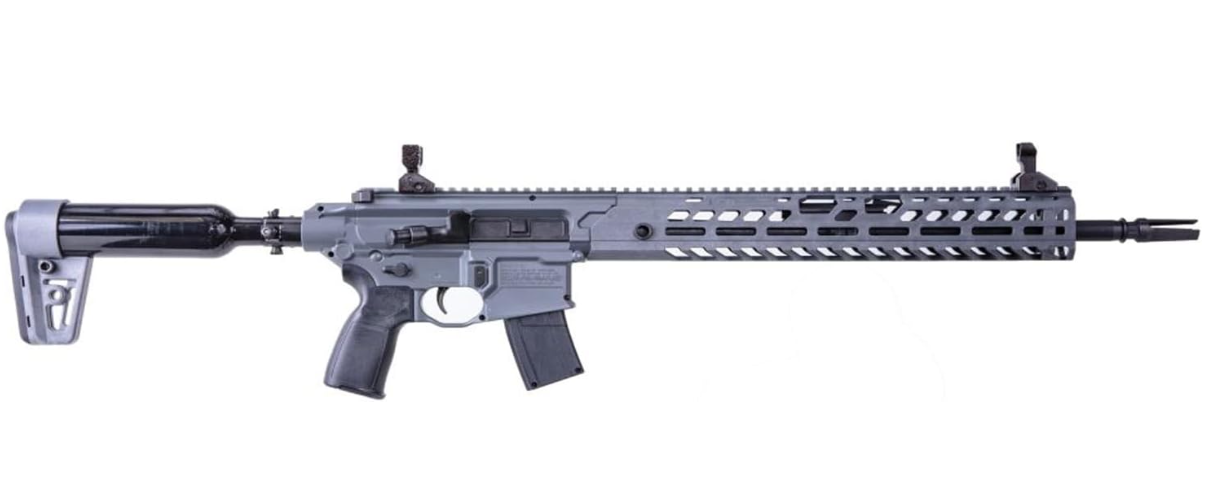
1.Gamo PCP Pre-Charged Pneumatic Air Rifle with Multi-Shot Magazine – Ambidextrous Bolt Action, High Velocity .177 or .22 Caliber Airgun – Black


Gamo PCP Pre-Charged Pneumatic Air Rifle with Multi-Shot Magazine - Ambidextrous Bolt Action, High Velocity .177 or .22 Caliber Airgun - Black

The Gamo PCP Pre Charged Pneumatic Air Rifle in .22 caliber is positioned as a compact multi shot airgun aimed at users who want fast follow up shots and reduced manual effort compared to traditional break barrel rifles. For groundhog control scenarios, the appeal comes from its PCP system, which removes the need for heavy cocking and allows more consistent shot delivery across a string of shots. However, its real world effectiveness depends heavily on setup discipline, pellet choice, and whether the shooter understands PCP maintenance, not just the marketing claims.

The rifle uses a built in 105cc air cylinder charged up to 232 BAR, which Gamo claims delivers up to 30 shots per fill. That number is optimistic in real use if you expect consistent velocity for pest control accuracy. The 10 shot rotary magazine and straight pull bolt system are more meaningful advantages, allowing faster follow up shots when dealing with fast moving targets. Still, the system is not magic; accuracy under pressure still depends on shooter control and optic quality, not just magazine capacity.

The adjustable CAT trigger is a strong engineering choice, letting users fine tune first and second stage travel. This matters more than most beginners realize, because trigger inconsistency is often the reason pest control shots fail. The rifle’s 5 pound weight and compact frame make it easy to carry in fields or around property edges, but the plastic receiver construction raises long term durability questions if the rifle is used heavily outdoors or in rough conditions.

Despite being marketed under different naming variants like Urban or Arrow in listings, the platform itself remains a lightweight PCP repeater designed for convenience rather than long range power. That distinction is important. If someone expects high impact performance without tuning, this rifle will disappoint. It performs best in controlled ranges under moderate distances rather than extreme pest elimination setups.

Key Specifications

Feature Detail
Brand Gamo
Model Arrow Multi Shot PCP / Urban variant listing
Caliber .22 (also listed .177 variant)
Power Type PCP Pre Charged Pneumatic
Air Cylinder 105cc built in reservoir
Max Fill Pressure 232 BAR
Magazine Capacity 10 shot rotary magazine
Estimated Shots Per Fill Up to 30
Weight 5 lbs
Action Straight pull bolt action
Trigger Adjustable CAT two stage
Frame Material Plastic
Barrel Material Metal

Pros

  • No heavy cocking required due to PCP system
  • Fast follow up shots with 10 round magazine
  • Adjustable trigger improves shot control and precision
  • Lightweight and easy to carry in field conditions
  • Compact design makes it maneuverable in tight outdoor spaces

Cons

  • Shot count and power consistency drop under real hunting style use
  • Plastic frame reduces long term durability confidence
  • Confusing product naming and variant labeling creates buyer uncertainty


2. Benjamin Armada BTAP25SX .25- Caliber Pellet PCP Hunting/ Target Air Rifle And Scope, Black
Benjamin Armada BTAP25SX .25- Caliber Pellet PCP Hunting/ Target Air Rifle And Scope, Black


The Benjamin Armada BTAP25SX is built for users who want more serious performance than entry level PCP rifles, especially for small to medium game control and target shooting. On paper, it looks like a complete package: .25 caliber power, multi shot capability, and an included optic setup. In reality, it sits in that middle zone where it can perform well, but only if the shooter understands PCP tuning, pellet selection, and realistic expectations about consistency under field conditions.

This rifle runs on a PCP system and pushes .25 caliber pellets up to around 900 fps. That sounds impressive, but velocity alone does not guarantee clean field performance. The heavier caliber is the real advantage here, delivering better energy transfer for pest control like groundhogs compared to .177 or .22 setups. However, the tradeoff is higher air consumption per shot, which reduces practical shot count from a fill, especially when shooting at full power.

The 8 round rotary magazine makes follow up shots practical, but it is not optimized for speed under pressure. Reloading is slower compared to higher capacity systems, which becomes noticeable during fast pest scenarios. The reversible bolt is a thoughtful inclusion, but it does not compensate for the overall bulk of the platform. At over 12 pounds with scope and accessories, this rifle is not something you casually carry for long field walks.

The included 4–16×50 scope and Picatinny rail system add value on paper, but bundled optics are often the weak link in combo packages. For precision pest control, many users end up upgrading the scope anyway. The onboard pressure gauge is useful, but again, it assumes the user is disciplined about air management, which is where many beginners struggle and end up blaming the rifle instead of the system.

Key Specifications

Feature Detail
Brand Benjamin
Model Armada BTAP25SX
Caliber .25
Power Type PCP Pre Charged Pneumatic
Velocity Up to 900 fps
Magazine Capacity 8 round rotary
Barrel Rifled alloy steel
Weight 12.3 lbs
Length 46 inches
Stock Material Synthetic
Scope 4–16×50 mm included
Rail System 5 inch Picatinny rail
Bolt Reversible bolt action

Pros

  • Delivers strong .25 caliber energy suitable for tougher pest control tasks
  • Includes scope, bipod, and rail system for ready to use setup
  • Good accuracy potential with rifled barrel and PCP consistency
  • Reversible bolt improves usability for left handed shooters
  • Solid build gives stability for bench and supported shooting

Cons

  • Heavy platform reduces mobility and makes field carrying tiring
  • Included scope is likely to limit long term precision performance
  • High air consumption reduces effective shot count per fill under real us


3. Hatsan Factor Sniper Long PCP Side-Lever Air Rifle with Included Wearable4U Bundle
Hatsan Factor Sniper Long PCP Side-Lever Air Rifle with Included Wearable4U Bundle


The Hatsan Factor Sniper Long PCP Side-Lever Air Rifle is a high-end, regulation-focused platform designed for shooters who care about consistency more than simplicity. In groundhog control terms, this rifle is built for precision and repeatable performance at distance, not casual backyard pest shooting. It leans heavily toward users who understand PCP systems deeply, because the level of adjustability here can easily overwhelm someone expecting a straightforward hunting tool.

This rifle runs on a regulated PCP system with externally adjustable hammer preload and regulator pressure control. That matters because it allows tighter velocity consistency across shots, which is critical when trying to place clean shots on small targets like groundhogs at varying distances. With .22 caliber pushing up to around 1050 fps and energy around 81 FPE, it offers a balance between speed and control rather than raw destructive force. However, this is not a “point and shoot” system. Poor tuning will absolutely ruin accuracy potential.

The Quattro 2 stage adjustable trigger is one of the strongest elements of this platform. It allows a clean, match style break that serious shooters will appreciate. Combined with the long barrel and shrouded QuietEnergy system, the rifle is designed to stay stable and relatively quiet, though not silent in real outdoor conditions. The 21 round magazine also gives it strong repeat capability, but the real strength is not capacity, it is shot consistency.

At 11.1 pounds, this is not a light rifle. The telescoping mil spec stock with adjustable cheek rest and folding monopod improves shooting stability, but it also reinforces that this is a bench supported or carefully positioned field rifle, not something you casually carry all day. The aluminum frame adds rigidity, but the overall system feels closer to a precision air platform than a traditional hunting rifle.

Key Specifications

Feature Detail
Brand Hatsan
Model Factor Sniper Long
Caliber .22 (also available .30)
Power Type PCP Pre Charged Pneumatic
Velocity Up to 1050 fps
Energy Output Up to 81 FPE
Magazine Capacity 21 rounds
Shots Per Fill Up to 100 (optimal velocity)
Weight 11.1 lbs
Barrel Aluminum, shrouded QuietEnergy system
Action Side lever, reversible charging handle
Trigger Quattro 2 stage adjustable match trigger
Stock Telescoping mil spec with folding monopod
Frame Material Metal / aluminum

Pros

  • High shot consistency due to regulated PCP system
  • Excellent adjustable trigger for precision shooting control
  • Large 21 round magazine supports extended shooting sessions
  • Strong stability features including stock and monopod support
  • Good balance of power and efficiency for field accuracy

Cons

  • Heavy and not suitable for quick or mobile pest control
  • Requires technical understanding to tune properly for best results
  • Included bundle scope is unlikely to match the rifle’s precision potential


4. Umarex Notos Carbine .22 Caliber PCP Pellet Gun Air Rifle

Umarex Notos Carbine .22 Caliber PCP Pellet Gun Air Rifle

The Umarex Notos Carbine is often marketed like a compact PCP solution for small game and general shooting, but you need to be careful not to overestimate what it actually is. This is a short barrel, lightweight air rifle designed for convenience and quiet shooting, not a dedicated high energy pest control system. If you are thinking groundhogs specifically, this is already on the borderline where expectations need to be adjusted downward.

The rifle uses a regulated PCP system with a fixed high pressure air tank, which gives it consistent shot to shot performance. That consistency is useful, but the real limitation is power. With a 11.75 inch barrel pushing a .22 pellet at around 700 fps, the energy output is modest. In practical field terms, that means it is more suited for small pests and close range shots rather than tougher animals or longer distance control work. If someone calls this a “groundhog rifle,” they are stretching the definition.

The 7 shot auto indexing magazine and side lever action make it easy to run follow up shots smoothly, which is honestly where this rifle performs best. It feels fast, light, and controlled in hand. At 5 pounds with a metal frame, it is easy to carry and quick to shoulder. But that convenience comes at a cost: stability and power ceiling. Short barrels in PCP platforms almost always trade velocity and impact energy for compactness, and this rifle is no exception.

The regulated system is the one genuinely strong engineering decision here. It keeps velocity more stable across the fill, which improves practical accuracy. However, accuracy does not fix lack of energy. A precise shot still needs enough terminal performance to be reliable on tougher pests, and that is where this rifle starts to fall behind more serious .25 and .30 caliber platforms.

Key Specifications

Feature Detail
Brand Umarex
Model Notos Carbine
Caliber .22
Power Type PCP Pre Charged Pneumatic
Velocity Up to 700 fps
Barrel Length 11.75 inches
Magazine Capacity 7 rounds
Weight 5 lbs
Frame Material Metal
Barrel Material Metal
Action Side lever
Air System Fixed regulated high pressure tank
Intended Use Small game, plinking, target shooting

Pros

  • Very lightweight and easy to carry for extended field use
  • Regulated PCP system gives consistent shot performance
  • Compact design allows quick handling and fast follow up shots
  • Simple side lever action is smooth and beginner friendly
  • Metal construction gives solid feel despite small size

Cons

  • Limited power output makes it weak for tougher pests like groundhogs
  • Short barrel reduces velocity and effective range significantly
  • Not suited for serious field hunting scenarios where terminal energy matters


 5. Barra 250z PCP Air Rifle – Bolt Action Tactical Airgun | 1000 FPS, 10-Shot Magazine, Adjustable Regulator, M-Lok Rail, Suppressor-Ready | Long-Range Accuracy & Power

Barra 250z PCP Air Rifle – Bolt Action Tactical Airgun | 1000 FPS, 10-Shot Magazine, Adjustable Regulator, M-Lok Rail, Suppressor-Ready | Long-Range Accuracy & Power

The Barra 250z is marketed like a tactical long range PCP, but for groundhog control you need to ignore the styling and focus on whether it actually delivers consistent field performance. This rifle sits in the more serious end of the .25 caliber PCP category, which is good, but it also comes with a level of adjustability that can easily become a disadvantage for anyone who does not understand tuning.

This is a .25 caliber PCP platform pushing up to around 1000 fps with a 322cc reservoir and 3625 PSI fill system. On paper, that looks strong for groundhogs, and in many cases it is. The heavier .25 projectile gives you far better energy retention and terminal consistency than .177 or .22 platforms. However, the adjustable regulator and hammer spring system mean performance is not fixed. If you do not tune it correctly, you will get inconsistent shot behavior, wasted air, and reduced ethical reliability in the field.

The 10 shot magazine and smooth bolt action make it practical for follow up shots, but do not confuse that with speed dominance. This is still a bolt action PCP, not a semi automatic or high speed repeater. It rewards deliberate shooting, not fast reactive pest control. That is important because groundhog scenarios often require quick correction shots, and this rifle will slow you down compared to more streamlined systems.

The modular tactical design with M LOK rails, adjustable stock, and suppressor compatibility is where the marketing focus goes. In reality, these features matter far less than shot consistency and trigger control. The rifle does have a decent 2 stage trigger, but again, performance depends heavily on tuning. This is not a plug and play hunting rifle. It is a system you have to learn, or it will underperform.

Key Specifications

Feature Detail
Brand Barra
Model 250z
Caliber .25
Power Type PCP Pre Charged Pneumatic
Velocity Up to 1000 fps
Reservoir 322cc
Fill Pressure 3625 PSI
Magazine Capacity 10 rounds
Weight 8 lbs
Barrel 18 inch rifled steel, 1:18 twist
Action Bolt action
Regulator Externally adjustable
Trigger 2 stage adjustable
Rail System M LOK and Picatinny
Stock Adjustable 6 position with cheek riser

Pros

  • Strong .25 caliber performance suitable for groundhog level pests
  • Adjustable regulator allows fine tuning for different shooting needs
  • Good air capacity balance for a tactical PCP platform
  • Modular design supports customization and field accessories
  • Reliable bolt action with consistent mechanical cycling

Cons

  • Requires tuning knowledge to achieve consistent real world performance
  • Not as fast in follow up shots as semi automatic or side lever PCP rifles
  • Complex system can lead to user error and inconsistent results in the field


Also Read: Best Air Rifle for Hunting Raccoon

Advantages of Best Air Rifle to Kill Groundhogs

1. Improves search visibility and targeting intent

A well defined keyword helps content show up in search results where users are actively looking for solutions. In this case, it directly targets people searching for groundhog control tools rather than general air rifle enthusiasts. The advantage is precision, not reach for the sake of reach. Without a focused keyword, content gets diluted and buried under irrelevant traffic.

2. Aligns content with buyer decision behavior

This keyword captures a high intent audience that is already in decision mode rather than casual browsing. That matters because conversion focused content depends on intent alignment. If you remove that specificity, you end up attracting readers who are not ready to act, which weakens performance no matter how good the content is.

3. Filters out irrelevant traffic

A strong keyword acts like a filter. It prevents your content from attracting audiences who are interested in unrelated air rifles like target plinking or airgun collecting. That matters because irrelevant traffic increases bounce rates and reduces perceived value of the page in ranking systems.

4. Helps structure content around user needs

Using a focused keyword forces content to be organized around real questions like power, caliber choice, and field effectiveness. Without it, content becomes generic and loses problem solving clarity. This structure is what makes comparisons, reviews, and buying guides actually useful instead of superficial.

5. Strengthens topical authority in search systems

Search engines evaluate depth and consistency of topic coverage. A precise keyword like this helps build a cluster of related content around pest control air rifles. Over time, that improves authority signals, which general broad keywords fail to achieve because they lack specificity.

6. Improves conversion relevance

When someone lands on content matching their exact query, they are more likely to trust the recommendations. That is because relevance reduces friction. If your keyword is too broad, users feel like the content is guessing rather than solving their specific problem.

7. Enables competitive positioning

This keyword puts content in a niche where comparison matters more than general education. That creates an opportunity to differentiate based on performance analysis rather than generic product descriptions. Without it, you compete in overcrowded general airgun terms where authority is harder to build.

8. Supports structured comparison and decision making

A focused keyword allows multiple products to be evaluated against a single use case. That is exactly what you did above with different air rifles. Without a clear keyword, comparisons become scattered and lose decision value, making it harder for users to choose effectively.

Factors to Consider When Choosing Best Air Rifle to Kill Groundhogs

1. Projectile caliber selection and energy delivery

Caliber is not a cosmetic choice, it directly controls how much energy reaches the target and how reliably that energy performs in real field conditions. Smaller calibers may look attractive due to higher speed numbers, but they often lose effectiveness quickly at distance and struggle with consistent terminal performance. Larger calibers carry more mass, which improves impact stability and reduces sensitivity to minor shot placement errors, making them more suitable for tougher pests.

2. Shot consistency across multiple shots

Consistency matters more than peak velocity because real field use involves multiple shots under varying pressure conditions. A system that performs well on the first few shots but drops off unpredictably later creates unreliable outcomes. Stable performance across the full usable air range ensures that each shot behaves similarly, which is critical for ethical and repeatable results.

3. Effective accuracy under field conditions

Accuracy is not just about tight grouping on a bench, but about maintaining predictable point of impact in outdoor environments with wind, distance variation, and unstable shooting positions. A setup that loses precision outside controlled conditions becomes unreliable regardless of how good it looks in specifications. Real effectiveness depends on how well the rifle maintains grouping under imperfect conditions.

4. Power to control ratio

More power is not automatically better if it cannot be controlled effectively. A balanced system delivers enough energy to ensure ethical results without creating excessive recoil, noise, or overpenetration risks. When power exceeds practical control, accuracy suffers and shot placement becomes less consistent, which defeats the purpose of using a precision system.

5. Ease of follow up shooting

In real pest control scenarios, the first shot is not always the only opportunity. The ability to quickly and smoothly take a second shot can be important when conditions change or the target is not immediately neutralized. Systems that require slow or complicated cycling reduce responsiveness and can lead to missed opportunities.

6. Air efficiency and usable shot count

A system that drains air too quickly reduces field time and forces frequent refills, which interrupts workflow and reduces practicality. Efficient air usage ensures that more consistent shots are available per fill, extending usable time in the field. Poor efficiency creates frustration and limits the system’s real world utility even if performance looks strong on paper.

7. Ergonomics and handling stability

How a rifle feels in the hands directly affects accuracy and control. Weight distribution, stock design, and balance all influence how steady the shooter can remain during aiming and firing. Poor ergonomics lead to fatigue and instability, which reduces accuracy over time even in otherwise capable systems.

8. Reliability of mechanical system and adjustment complexity

Some systems are simple and consistent by design, while others rely heavily on adjustable components that require tuning. While adjustability can improve performance in skilled hands, it also introduces the risk of inconsistency if not properly managed. A reliable system should maintain predictable behavior without requiring constant adjustments to remain effective.

Frequently Asked Questions About Best Air Rifle to Kill Groundhogs

1. What caliber is most effective for groundhog control with air rifles?

Caliber choice is one of the biggest determinants of real field performance. Smaller calibers may offer higher speed, but they often lose energy quickly and require extremely precise shot placement to be effective. Medium to larger calibers are generally more reliable because they carry more mass, maintain energy better over distance, and are less sensitive to small aiming errors. The key is not just speed, but consistent energy transfer on impact.

2. Are high velocity air rifles always better for groundhogs?

High velocity numbers can be misleading because they often come from lightweight projectiles that do not retain energy well in real conditions. What matters more is usable energy at the target distance and how consistently that energy is delivered. A moderately fast but stable setup is usually more effective than an extremely fast system that loses performance quickly or relies on fragile projectile types.

3. Is a multi shot system necessary for pest control situations?

Multi shot systems can improve convenience, but they are not the deciding factor for effectiveness. What matters more is shot consistency, accuracy, and energy delivery. In some cases, simpler single shot systems outperform multi shot designs because they are more stable and easier to maintain. Multi shot capability only becomes useful when it does not compromise reliability or precision.

Conclusion

Best Air Rifle to Kill Groundhogs is not defined by marketing power claims or impressive velocity numbers alone, but by how well a rifle balances energy delivery, consistency, and control in real field conditions. Across all the platforms discussed, the clear pattern is that medium to large caliber PCP systems tend to offer the most dependable performance because they maintain usable energy at distance and reduce the margin for error in shot placement. Smaller, high velocity setups often look appealing on paper but struggle when real world conditions introduce wind, range variation, and target resilience.

Ultimately, the most effective choice comes down to discipline in matching the tool to the task rather than chasing maximum specifications. Systems that prioritize consistent regulation, stable shot behavior, and practical handling outperform those that rely on raw power spikes or excessive complexity. A well balanced air rifle does not just increase the chance of a successful shot, it improves ethical reliability and reduces wasted effort, which is what actually matters in groundhog control scenarios.