
Having best red dot sight for duck hunting as a hunter is plus for a success hunt. Duck hunting is fast, unpredictable, and often happens in low-visibility conditions where timing matters more than precision mechanics. That is why many hunters are moving away from traditional bead-only setups and exploring red dot sights as a tool to improve speed, tracking, and consistency. These optics are designed to simplify aiming by placing an illuminated point directly on the target, allowing for faster decisions when birds appear suddenly or change direction mid-flight.
However, not all red dot sights are equal, and not every model is suited for the demands of waterfowl hunting. Some prioritize durability and sealing for harsh environments, while others focus on affordability or added features that may or may not translate into real field performance. Understanding what actually matters in the field versus what is just marketing is essential before making a choice.
This guide breaks down how red dot sights perform in duck hunting scenarios, what advantages they offer, and the key factors that determine whether an optic will hold up in real hunting conditions.
7 Best Red Dot Sight for Duck Hunting
1. Aimpoint ACRO P-2
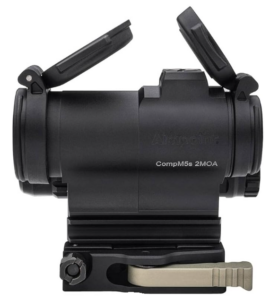
The Aimpoint ACRO P-2 is a fully enclosed red dot sight engineered for environments where failure is not an option. While many optics struggle with rain, fog, recoil, and debris, this sight is designed to keep functioning under constant abuse. In duck hunting conditions where moisture, cold air, and sudden movement are the norm, that level of sealing and reliability becomes its main advantage.
Its fully enclosed emitter design protects the internal LED system from water, snow, and dirt. This is especially relevant for duck hunting, where open emitter sights can easily get blocked by rain droplets or mud. The ACRO P-2 avoids that weakness by isolating all critical components inside a sealed housing, allowing consistent visibility even in harsh field conditions.
The optic uses a 3.5 MOA red dot, which is slightly larger than precision-focused sights but more practical for fast target acquisition. In waterfowl hunting, where birds appear quickly and shooting windows are short, speed matters more than pinpoint precision. The dot remains clear and easy to pick up even against busy backgrounds like reeds, water reflections, and moving flocks.
Battery efficiency is another strong point. The ACRO P-2 runs on a CR2032 battery and can last up to 50,000 hours depending on brightness settings. That translates to years of field use without constant maintenance, which is a serious advantage for hunters who do not want equipment failure during a season.
Durability is where this optic separates itself from typical hunting red dots. It is built to handle heavy recoil, extreme temperatures, and physical impact. The housing is machined from high-strength aluminum, and the sight is fully waterproof. While most hunting optics are “weather resistant,” this one is designed to survive full submersion and rough handling.
Key Specifications
- Reticle type 3.5 MOA red dot
- Fully enclosed optical system
- Battery type CR2032
- Battery life up to 50,000 hours
- Brightness settings 10 levels
- Waterproof rating fully submersible
- Housing material high-strength aluminum
- Mount compatibility pistol and picatinny platforms with adapter systems
- Operating durability designed for extreme recoil and harsh environments
Pros
- Fully sealed design protects against rain, mud, and debris
- Extremely durable construction suitable for harsh outdoor conditions
- Long battery life reduces maintenance and failure risk
- Clear and fast target acquisition for moving targets
- Reliable performance in low light and wet environments
- Compact footprint reduces snagging in field use
- Consistent zero retention under heavy recoil
Cons
- Expensive compared to typical hunting red dots
- Overbuilt for casual or occasional duck hunters\
2. Burris FastFire III
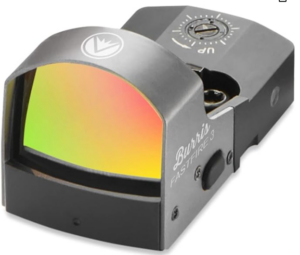
The Burris FastFire III with Picatinny mount is one of those optics people buy because it looks like a simple upgrade, but it only delivers well if your expectations are realistic. It is not a rugged duty sight, and it is not trying to compete with high end enclosed systems. It is a lightweight, fast acquisition red dot built for hunters and shooters who value speed and simplicity over extreme durability.
In real use, the 3 MOA dot is the practical sweet spot. It is small enough for decent precision on static targets, but still fast enough for moving game like ducks or fast follow up shots. The biggest advantage is how quickly the sight picture appears when you mount the gun. For shotgun or pistol setups, that speed can matter more than perfect optical clarity. However, in very bright outdoor conditions or messy environments like rain and mud, the open emitter design becomes a weakness because the LED is exposed.
The automatic brightness sensor is useful in theory, but not flawless in practice. It adjusts to ambient light, which helps when you are moving between shade and open sky, but it can occasionally under or over correct in mixed lighting. That is why the manual brightness settings matter more than people expect. Relying fully on automation is a mistake if you are hunting in changing weather.
Mounting flexibility is a strong point. The included Picatinny mount makes it usable across rifles, shotguns, and some handgun setups, while the Burris mount system expands compatibility. That versatility is where this optic earns its place. It is not locked into a single platform, which makes it attractive for hunters who switch between setups.
Battery access on top is a practical design choice. You do not need to remove the sight to change batteries, which helps preserve zero. The auto shutoff feature after inactivity extends battery life significantly, which is important for seasonal hunters who may leave gear stored for long periods.
Durability is decent but not elite. It is shock resistant and holds up under typical recoil, but it is not in the same category as fully sealed optics. Long term exposure to heavy abuse, constant moisture, or rough handling will expose its limitations faster than more expensive duty grade sights.
Key Specifications
- Reticle type 3 MOA red dot
- Mount included Picatinny Weaver compatible system
- Battery access top loading design
- Battery life up to approximately 5 years depending on use
- Brightness control automatic sensor plus 3 manual settings
- Auto shutoff after 8 hours
- Housing lightweight aluminum construction
- Compatibility rifles, handguns, tactical shotguns with mount system
- Dot size options include 3 MOA and 8 MOA depending on model
Pros
- Very fast target acquisition for close to mid range shooting
- Lightweight design reduces firearm bulk
- Mount versatility across multiple platforms
- Top loading battery system avoids re zeroing during changes
- Good battery life with auto shutoff feature
- Simple and intuitive to use without complex setup
- Affordable compared to premium enclosed red dots
Cons
- Open emitter design is vulnerable to rain, snow, and debris
- Not as durable as duty grade or fully enclosed optics
3. CVLIFE Multi-Reticle Red/Green Dot Sight & 3X Magnifier Combo
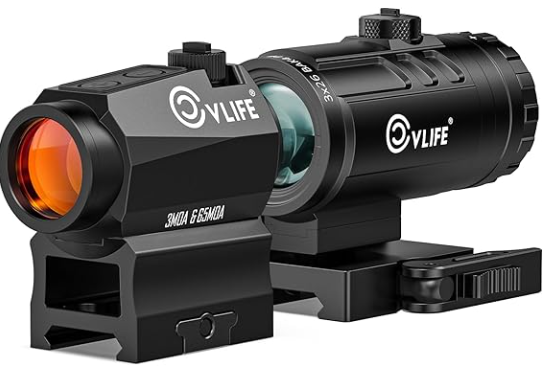
The CVLIFE Multi-Reticle Red/Green Dot Sight and 3X Magnifier Combo is built for buyers who want versatility without paying premium optic prices. That immediately creates a tradeoff. You get multiple features packed into one package, but you should not expect the refinement, optical clarity, or long-term reliability of high-end brands. For duck hunting and general outdoor shooting, it performs surprisingly well for the cost, but only if you understand where its limits are.
The biggest advantage of this combo is flexibility. You can run the red dot alone for fast target acquisition at close range or flip the 3X magnifier into place when you need better visibility at distance. For duck hunting, this setup can help when birds shift between close flyovers and longer passing shots. The quick flip-to-side mechanism works smoothly and allows fast transitions without slowing you down.
The multi-reticle system adds more usability than most budget optics. The 3 MOA dot works better for precision aiming, while the 65 MOA circle improves speed on moving targets. Using both together creates a balanced sight picture that helps track fast birds more naturally. In low light conditions near sunrise or sunset, the circle reticle is especially useful because it draws the eye faster than a small standalone dot.
The motion awake feature is one of the smarter additions in this price range. After several minutes of inactivity, the optic enters sleep mode to preserve battery life, then instantly reactivates when movement is detected. That matters more than people think. Many hunters forget to power off optics after a long day, and cheap sights often die at the worst possible moment. This system reduces that risk significantly.
Durability is respectable for a budget optic. The 1200G shock resistance and IPX7 waterproof rating mean it can handle recoil, rain, and rough outdoor use better than many low-cost competitors. However, this is still not a professional-grade combat optic. Long-term abuse, repeated hard impacts, and extreme weather exposure will eventually expose its limitations compared to premium brands like Aimpoint or EOTech.
The included mounting options improve overall value. The absolute co-witness mount works well for shooters who want alignment with iron sights, while the low mount keeps the setup compact and closer to the rail. The magnifier’s quick-release system also makes setup easier than many cheaper combo kits.
Key Specifications
- Reticle options 3 MOA dot, 65 MOA circle, combined circle and dot
- Magnification 3X flip-to-side magnifier
- Mount compatibility 21mm Picatinny rail
- Battery system motion awake technology
- Battery runtime up to 50,000 hours
- Waterproof rating IPX7
- Shock resistance 1200G impact rating
- Eye relief 2.95 inches
- Mount options absolute co-witness mount and low mount
- Construction metal housing
Pros
- Versatile setup for both close and mid range shooting
- Multi-reticle system improves target tracking flexibility
- Motion awake feature extends battery life effectively
- Compact design saves rail space compared to large scopes
- Flip-to-side magnifier transitions quickly between ranges
- Waterproof and fog resistant construction
- Good value for shooters on a tighter budget
- Multiple mounting options increase compatibility
Cons
- Optical clarity is not comparable to premium optics
- Magnifier adds noticeable weight to lightweight firearms
3. CVLIFE Wolfprowl Motion Awake Red Dot Sight
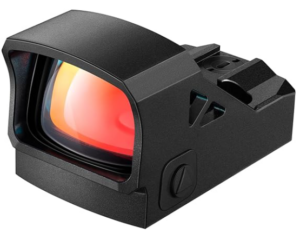
The CVLIFE Wolfprowl Motion Awake Red Dot Sight is designed for shooters who want compact size, modern features, and affordability in one package. It targets the growing market of budget-friendly micro reflex sights, and while it includes impressive specifications on paper, the real question is whether it performs reliably enough for demanding hunting conditions like duck hunting. The answer is mixed.
Its compact design is one of the biggest strengths. The sight adds very little weight or bulk to a firearm, which helps maintain fast handling and smooth target transitions. For duck hunting, where speed and mobility matter, that lightweight construction can feel more natural than heavier enclosed optics or magnifier setups.
The 3 MOA red dot strikes a practical balance between speed and precision. It is large enough to acquire quickly on moving birds while still offering acceptable accuracy for controlled shots. The optic also includes 10 brightness settings with night vision modes, allowing better adaptability across changing lighting conditions during early morning or late evening hunts.
The Motion Awake technology is genuinely useful rather than just marketing. After several minutes of inactivity, the optic enters sleep mode to preserve battery life, then instantly powers back on when movement is detected. That feature helps avoid one of the most common problems with budget optics: dead batteries caused by accidental power drain.
Battery management is improved further with the top-loading battery compartment. Many low-cost red dots force you to remove the optic during battery replacement, which risks losing zero. This design avoids that issue entirely and makes field maintenance much easier.
Durability is respectable for the price range. The aluminum housing, IPX7 waterproof rating, and 1200G shock resistance allow the optic to survive recoil, rain, and rough outdoor handling better than many entry-level competitors. However, expectations still need to stay realistic. This is not a premium duty optic, and prolonged heavy abuse or constant exposure to harsh environments will likely reveal weaknesses faster than higher-end sights.
The biggest limitation is that the optic prioritizes affordability over refined performance. Glass clarity, long-term reliability, and brightness consistency are decent but not exceptional. For casual hunters or recreational shooters, that may be enough. For serious waterfowl hunters who spend entire seasons in wet, freezing, and muddy conditions, there are more dependable options available.
Key Specifications
- Reticle type 3 MOA red dot
- Compatibility RMS and RMSC footprint
- Included mounts MOS adapter plate and 21mm Picatinny base
- Battery system top-loading compartment
- Battery runtime up to 50,000 hours on lower settings
- Brightness settings 10 levels including 2 night vision modes
- Waterproof rating IPX7
- Shock resistance 1200G impact rating
- Construction aluminum housing
- Weight 34 grams
Pros
- Compact and lightweight design improves firearm handling
- Motion Awake technology extends battery efficiency
- Top-loading battery system preserves zero during replacement
- Multiple brightness settings improve low-light usability
- Waterproof and shock resistant construction
- Affordable entry point for reflex sight users
- Compatible with multiple mounting systems
Cons
- Open emitter design is vulnerable to debris and moisture buildup
- Long-term durability remains questionable under extreme field abuse
- Brightness performance may struggle in intense sunlight
4. FXV22 PRO Multi-Reticle Micro Red Dot Sight
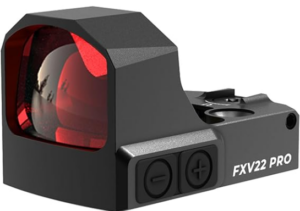
The FXV22 PRO Multi-Reticle Micro Red Dot Sight is built for shooters who want modern features without entering premium optic pricing territory. It combines compact size, multiple reticle options, motion activation, and durable construction into a lightweight package aimed primarily at defensive pistols and recreational shooting. For hunting applications, including duck hunting on lightweight shotgun or compact firearm setups, it offers speed and adaptability, but it also carries the usual limitations of budget-oriented micro optics.
Its biggest strength is versatility. The multi-reticle system allows users to switch between a precise 2 MOA dot, a larger 32 MOA circle, or a combined dot-circle reticle. That flexibility matters more than most shooters realize. A small dot works better for controlled precision shots, while the larger circle improves speed when tracking fast moving targets. For duck hunting or fast target transitions, the combined reticle is usually the most effective because it naturally guides the eye toward the center.
The sight remains compact and lightweight, which helps preserve firearm balance and handling. Heavy optics can make fast swings feel awkward, especially on lightweight hunting platforms. The FXV22 PRO avoids that issue by keeping the profile slim and unobtrusive.
The MOTAC auto wake and sleep system is one of the more practical features included. The optic powers on when movement is detected and enters sleep mode when idle, helping extend battery life while keeping the sight ready immediately when needed. Budget optics often fail in battery management, so this feature improves reliability significantly for hunters and shooters who leave optics mounted for long periods.
The button lock system is another useful addition. Many lower-cost optics suffer from accidental brightness or reticle changes during transport or handling. Locking the controls prevents unwanted adjustments and helps maintain consistency during use.
Durability is respectable for the price category. The aerospace-grade aluminum housing and IPX7 waterproof rating allow the sight to handle rain, recoil, and rough outdoor conditions reasonably well. However, this is still not a professional-grade enclosed optic. Long-term exposure to mud, freezing temperatures, and repeated hard impacts will test its limits faster than premium alternatives.
One important limitation is the open emitter design. In duck hunting environments where water droplets, dirt, or snow can collect around the emitter, visibility can become compromised. That is a weakness shared by most compact open reflex sights and should not be ignored.
Key Specifications
- Reticle options 2 MOA dot, 32 MOA circle, combined dot-circle
- Footprint compatibility Shield RMS and RMSc pattern
- Activation system MOTAC motion awake and sleep mode
- Control system button lock feature
- Waterproof rating IPX7
- Construction aerospace-grade aluminum housing
- Magnification 1X
- Mount type Weaver compatible mounting system
- Weight approximately 1 ounce
- Designed for optics-ready compact pistols and compatible platforms
Pros
- Multiple reticle options improve versatility for different shooting scenarios
- Lightweight and compact design maintains firearm balance
- Motion awake system improves battery efficiency
- Button lock prevents accidental setting changes
- Waterproof construction handles rain and moisture effectively
- Fast target acquisition for moving targets
- Affordable alternative to premium micro reflex sights
- Lifetime warranty adds long-term value
Cons
- Open emitter design remains vulnerable to debris and water obstruction
- Optical clarity is not equal to premium duty optics
- Smaller window can feel restrictive during rapid target tracking
5. Triton Nautilus 3 MOA
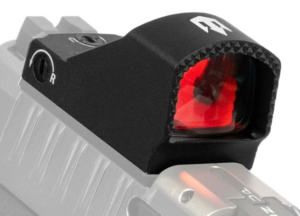
The Triton Nautilus 3 MOA Micro Red Dot Sight is positioned as an affordable micro optic that tries to balance durability, battery efficiency, and practical usability for hunters and everyday shooters. On paper, it checks many of the boxes people look for in a modern reflex sight. The real question is whether it offers enough real-world reliability to stand out in a crowded market filled with budget optics making similar promises.
Its strongest quality is simplicity. The Nautilus avoids overloading users with unnecessary features and instead focuses on the fundamentals: a clean 3 MOA dot, shake awake technology, long battery life, and lightweight construction. For duck hunting or fast-moving outdoor shooting, that straightforward approach can actually be an advantage because complicated controls slow people down under pressure.
The 3 MOA dot works well for balancing precision and speed. It remains large enough for rapid target acquisition on moving birds while still offering acceptable shot placement for controlled aiming. Unlike oversized reticles that clutter the sight picture, the single dot keeps the view cleaner and less distracting during fast tracking.
The fully multi-coated lens system is another area where the Nautilus performs better than many cheap optics. Light transmission and clarity are respectable for its price range, and the lens coatings help reduce glare while improving visibility in changing light conditions. Early morning hunts, cloudy weather, and reflective water surfaces all benefit from improved optical clarity.
Shake Awake technology improves practicality in the field. The sight automatically powers on when movement is detected and conserves battery life when inactive. Combined with the claimed 50,000-hour runtime, this reduces the constant worry of battery failure during hunting season.
The top-side battery compartment is a genuinely useful feature. Many low-cost micro optics force users to remove the sight entirely during battery changes, which risks losing zero. The Nautilus avoids that issue and makes maintenance far more convenient.
Durability is solid for the category. The 6061-T6 aircraft aluminum housing and recoil testing give the optic decent toughness against recoil and rough outdoor use. However, people often confuse “durable for the price” with “indestructible.” This is still a compact open-emitter optic. Continuous exposure to mud, rain, freezing temperatures, and hard impacts will eventually expose its limitations compared to premium enclosed red dots.
The open emitter design remains the biggest weakness for duck hunting environments. Water droplets, dirt, or snow can interfere with the emitter and affect visibility. That issue is common across nearly all micro open reflex sights and matters more in waterfowl hunting than many buyers realize.
Key Specifications
- Reticle type 3 MOA red dot
- Footprint RMSc compatible mounting system
- Battery life up to 50,000 hours
- Activation system Shake Awake technology
- Battery access top-side compartment
- Lens system fully multi-coated optics
- Construction 6061-T6 aircraft-grade aluminum
- Magnification 1X
- Waterproof and recoil tested construction
- Warranty lifetime replacement policy
Pros
- Lightweight and compact design for fast handling
- Clean 3 MOA dot supports both speed and precision
- Shake Awake feature improves battery efficiency
- Top-loading battery compartment preserves zero during replacement
- Good optical clarity for a budget-friendly micro sight
- Durable aluminum construction handles recoil effectively
- Lifetime warranty increases long-term value
- Simple operation without unnecessary complexity
Cons
- Open emitter design remains vulnerable to moisture and debris
- Smaller viewing window can slow tracking for some shooters
- Not as rugged as premium enclosed optics
6. YYB520 RMSc/RMS/RMR Red Dot Sight for Pistol
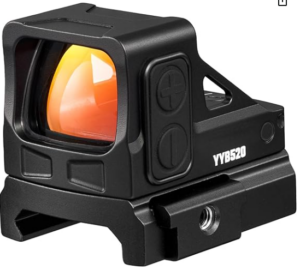
The YYB520 RMSc/RMS/RMR Red Dot Sight is another example of a budget optic trying to compete through specifications rather than reputation. On paper, the feature list looks aggressive: 3000G shock resistance, multi-reticle options, motion activation, side battery compartment, and broad mounting compatibility. The problem is that many low-cost optics promise extreme durability, but only a few actually deliver consistent long-term performance. That distinction matters, especially for hunting applications where equipment failure ruins the entire outing.
The first thing that stands out is versatility. This optic supports multiple footprints including RMS, RMSc, RMR, MOS, and Picatinny systems through included adapter plates. That flexibility makes it usable across pistols, rifles, and lightweight hunting platforms. For hunters experimenting with compact red dots on shotguns or rifles, that broad compatibility is genuinely useful.
The multi-reticle system improves adaptability in the field. Users can switch between a precise 2 MOA dot, a larger 32 MOA circle, or a combined circle-dot reticle. For duck hunting, the larger circle or combined reticle works better because fast-moving birds are easier to track with a more visible aiming reference. The smaller dot is more effective for controlled precision shots at distance.
The 10 illumination settings provide reasonable flexibility across bright daylight and low-light conditions. The inclusion of night vision compatible modes is interesting, although most hunters will never realistically use them. What matters more is whether the optic remains visible under strong sunlight, and budget optics often struggle there compared to premium brands.
Motion activation is one of the most practical features included. After inactivity, the sight enters standby mode and automatically reactivates with slight movement. Combined with the claimed 50,000-hour battery life, this significantly reduces battery management concerns during hunting season or extended storage.
The side battery compartment is another major advantage. Unlike bottom-loading optics that require removal and re-zeroing during battery replacement, this design allows quick access while preserving your zero. That feature alone makes field maintenance much less frustrating.
Durability claims are ambitious. The AL7075 aluminum housing, IPX7 waterproofing, and advertised 3000G shock resistance suggest a tougher build than many competing budget optics. However, numbers on a product page do not automatically equal battlefield reliability. Real-world long-term testing matters more than marketing specifications, and this optic does not yet have the established reputation of premium manufacturers.
The open emitter design remains its biggest weakness for duck hunting. Rain, mud, snow, and water spray can block the emitter or distort the reticle. In controlled range conditions, that is manageable. In wetlands or harsh weather, it becomes a real disadvantage.
Key Specifications
- Reticle options 2 MOA dot, 32 MOA circle, combined circle-dot
- Footprint compatibility RMS, RMSc, RMR, MOS, Picatinny systems
- Battery type CR1632
- Battery runtime up to 50,000 hours on low brightness
- Brightness settings 10 levels including 2 NV-compatible modes
- Activation system motion activation technology
- Waterproof rating IPX7
- Shock resistance 3000G impact rating
- Construction AL7075 aircraft-grade aluminum
- Battery access side-loading compartment
Pros
- Broad mounting compatibility across multiple firearm platforms
- Multi-reticle system improves flexibility for different shooting styles
- Side battery compartment avoids re-zeroing during replacement
- Motion activation helps preserve battery life
- Lightweight and compact design improves firearm handling
- Strong advertised shock resistance for the price range
- Waterproof construction handles rain and moisture effectively
- Good feature-to-price ratio compared to premium optics
Cons
- Open emitter design is vulnerable to water and debris obstruction
- Long-term durability claims remain largely unproven
- Optical clarity cannot match premium red dot brands
7. Sig Sauer Romeo Zero 1x24mm SpectraCoat Lens HD Lens Ultra-Compact Micro Reflex Sight
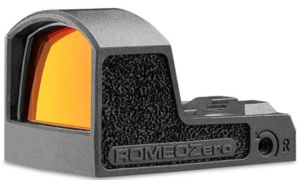
The Sig Sauer Romeo Zero 1x24mm SpectraCoat Lens HD Lens Ultra Compact Micro Reflex Sight is an excellent choice for duck hunters looking for a lightweight and responsive optic that performs well in fast moving shooting situations. Its ultra compact design keeps firearms balanced and easy to handle, which is especially useful when tracking ducks in flight across marshes, wetlands, and open water environments. The 3 MOA red dot allows quick sight alignment without obstructing the target, making follow up shots faster and more controlled.
This red dot sight is built with a rugged WeaponsGrade textured polymer body that provides impressive durability without adding unnecessary weight. The SpectraCoat HD Polymer Lens offers impact resistance far beyond traditional glass lenses, giving hunters more confidence when hunting in rough outdoor conditions. Rain, bumps, and constant field movement are less of a concern with this optic mounted on your setup.
The Motion Activated Illumination System adds convenience during long hunting sessions. The optic automatically powers on when movement is detected and powers down when idle, helping preserve battery life while ensuring the sight is ready when ducks suddenly appear overhead. The LED emitter delivers a bright and crisp aiming point that remains visible in varying light conditions, from early morning hunts to late afternoon waterfowl activity.
Another advantage is its lightweight profile. Weighing only 0.4 ounces, the sight barely affects firearm handling. Duck hunters who spend hours carrying gear through wetlands or standing in blinds will appreciate how compact and unobtrusive it feels. Its parallax free design also improves shooting comfort by allowing quicker target acquisition from multiple angles.
Key Specifications
- Brand: Sig Sauer
- Model: Romeo Zero 1x24mm
- Reticle: 3 MOA Red Dot
- Magnification: 1x
- Objective Lens Diameter: 24mm
- Lens Material: SpectraCoat HD Polymer Lens
- Body Material: WeaponsGrade textured polymer
- Battery Type: CR1632
- Battery Runtime: Up to 20,000 hours
- Illumination Settings: 8 daytime settings
- Length: 1.6 inches
- Width: 0.93 inches
- Height: 0.93 inches
- Weight: 0.4 ounces
- Compatibility: Shield RMS c footprint and J Point footprint
- Sport Use: Hunting, tactical shooting, airsoft
Pros
- Compact and lightweight construction
- Fast target acquisition for moving birds
- Strong polymer housing with excellent impact resistance
- Clear 3 MOA red dot for rapid aiming
- Motion activated illumination extends battery life
- Parallax free performance improves shooting speed
- Long battery runtime suitable for extended hunting trips
Cons
- Polymer lens may not appeal to shooters who prefer glass optics
- Limited compatibility with some slide configurations
- Smaller sight window compared to larger reflex sights
Also Read:Best Binoculars for Alaska Cruise
Advantages of Red Dot Sight for Duck Hunting
1. Faster Target Acquisition
One of the biggest advantages of using a red dot sight for duck hunting is faster target acquisition. Ducks move unpredictably, often changing speed and direction within seconds, which leaves very little time to line up a traditional bead sight. A red dot allows hunters to place the illuminated aiming point directly on the target while keeping both eyes open. This creates a more natural shooting experience and reduces the time spent aligning sights, helping hunters react faster during sudden flyovers or passing shots.
2. Improved Accuracy on Moving Targets
Red dot sights help improve shot placement on moving birds because the aiming point remains clearly visible throughout the swing. Traditional iron sights require proper alignment between the front bead, barrel, and target, which can slow tracking during fast movement. With a red dot, the shooter simply focuses on the target and places the dot where the shot needs to land. This simplified aiming process improves consistency, especially for hunters who struggle with tracking fast-moving ducks across varying distances.
3. Better Performance in Low-Light Conditions
Duck hunting often happens during early mornings, cloudy weather, or late evening hours where visibility becomes difficult. Red dot sights provide an illuminated reticle that remains visible even in dim environments, helping hunters maintain a clear aiming reference when standard sights become harder to see. Adjustable brightness settings also allow the reticle to adapt to changing light conditions without overwhelming the shooter’s vision.
4. Easier Both-Eyes-Open Shooting
Most red dot sights are designed for both-eyes-open shooting, which significantly improves situational awareness during duck hunts. Instead of narrowing focus through a traditional scope or sight alignment system, hunters can maintain a wider field of view while tracking birds in flight. This makes it easier to follow multiple ducks, judge movement patterns, and stay aware of surroundings without losing sight of the target during fast action.
5. Reduced Eye Strain and Faster Adaptation
Traditional bead sights can become tiring during long hunts because the shooter constantly shifts focus between the target and front sight. Red dot optics reduce this strain by allowing the hunter to focus primarily on the target while using the illuminated dot as a reference point. This creates a more comfortable shooting experience and helps hunters adapt faster during repeated shots or extended time in the field.
6. Increased Versatility Across Hunting Conditions
Modern red dot sights are highly adaptable across different hunting environments and weather conditions. Many models include waterproof construction, fog resistance, shock resistance, and multiple brightness settings. Whether hunting in rain, marshlands, cold mornings, or bright open water, a quality red dot can maintain reliable visibility and performance. Some optics also include motion awake technology and long battery life, reducing maintenance concerns during hunting season.
7. Lightweight and Compact Design
Compared to traditional magnified scopes, red dot sights are generally smaller and lighter. This helps preserve the balance and handling of shotguns used for duck hunting. Heavy optics can slow target transitions and make fast swings feel awkward, especially when tracking low-flying birds. Compact red dots keep the firearm agile while still improving aiming speed and visibility. That balance between performance and handling is one reason many hunters prefer them for fast-paced waterfowl hunting.
Factors to Consider When Choosing the Best
Red Dot Sight for Duck Hunting
1. Durability and Weather Resistance
Duck hunting takes place in some of the harshest outdoor environments, including rain, mud, cold mornings, and wet marshlands. A red dot sight must be able to handle constant exposure to moisture, recoil, and rough handling without losing zero or failing during use. Waterproof and fog-resistant construction are essential because moisture buildup can quickly interfere with visibility and performance. A durable housing made from strong aluminum materials also helps protect the optic from drops, bumps, and heavy recoil over time.
2. Open or Enclosed Emitter Design
One of the most overlooked factors is whether the optic uses an open or enclosed emitter system. Open emitter sights are lighter and often more affordable, but they are vulnerable to rain, mud, snow, and debris blocking the emitter. Enclosed emitter designs provide better protection because the internal components remain sealed from the environment. For duck hunting, where water and dirt exposure are constant, enclosed optics generally offer better reliability in extreme conditions.
3. Dot Size and Reticle Type
The reticle plays a major role in how quickly and accurately you can track moving birds. Smaller dots provide better precision for controlled shots, while larger dots or circle reticles improve speed during fast target transitions. Some optics include multiple reticle options, allowing hunters to switch between precision and speed-focused aiming styles. Choosing the right reticle depends on personal preference, shooting distance, and how quickly targets typically appear during hunts.
4. Battery Life and Power Management
A hunting optic becomes useless the moment the battery dies in the field. Long battery life is extremely important, especially for hunters who leave optics mounted throughout the season. Many modern red dots include motion activation or shake awake technology, which powers the sight down during inactivity and instantly reactivates it with movement. This feature helps preserve battery life while ensuring the optic remains ready when needed.
5. Brightness Settings and Visibility
Lighting conditions during duck hunting can change rapidly between sunrise, cloudy skies, bright reflections on water, and low-light evening conditions. A good red dot sight should offer multiple brightness settings so the reticle remains visible without becoming too dim or excessively bright. Poor brightness control can make the reticle difficult to see in sunlight or overpower the target in darker environments.
6. Mount Compatibility and Fit
Not every red dot sight fits every shotgun or hunting platform without additional adapters. Before buying an optic, it is important to check mounting compatibility and rail systems. Some sights are designed for Picatinny rails, while others require specific footprint patterns or adapter plates. A poorly fitted optic can affect stability, balance, and long-term zero retention, especially under repeated recoil.
7. Weight and Overall Size
Heavy optics can negatively affect shotgun handling and slow down target transitions during fast-moving hunts. A lightweight and compact red dot helps preserve the natural balance of the firearm, making it easier to swing smoothly and track flying ducks. Large optics may provide a bigger viewing window, but they can also add unnecessary bulk that becomes noticeable during long hunting sessions.
8. Optical Clarity and Viewing Window
The quality of the glass directly affects how clearly hunters can track moving birds in changing weather conditions. High-quality lenses improve light transmission, reduce glare, and provide a sharper sight picture. A larger viewing window can also improve situational awareness by making it easier to follow ducks during rapid movement. Poor optical clarity, distortion, or a restricted viewing area can slow target acquisition and reduce shooting confidence in the field.
Frequently Asked Questions about Red Dot Sights for Duck Hunting
1. Are red dot sights actually good for duck hunting?
Yes, but only if you understand their limits. Red dot sights improve speed, tracking, and visibility, especially for fast-moving birds. However, they are not magic. If your shooting fundamentals are weak, a red dot will not fix that. It simply makes good technique faster and more efficient. In harsh wet environments, performance also depends heavily on build quality and design.
2. What reticle size works best for duck hunting?
There is no single “perfect” size, but mid-range dots or circle-dot combinations tend to perform best. Smaller dots improve precision but can be harder to track quickly. Larger circles help with fast-moving targets but reduce fine aiming detail. Many hunters prefer a combination because it balances speed and accuracy during unpredictable flight paths.
3. Are red dots better than traditional bead sights?
They are not automatically better, just different. Red dots give you faster target acquisition and better visibility in low light, while bead sights are simpler, lighter, and require no batteries. The advantage of red dots becomes more noticeable when birds are moving fast or lighting conditions are poor. However, bead sights still work well for experienced shotgun users who rely on instinctive shooting.
4. Do red dot sights work in rain and wet conditions?
They can, but it depends on the design. Fully enclosed emitters handle rain, mud, and snow far better than open emitter designs. Open systems can get blocked by water droplets or debris, which affects visibility. In real duck hunting conditions, moisture resistance is not optional it is critical.
5. How important is battery life for hunting red dots?
Extremely important. A dead optic in the field is useless. Long battery life reduces maintenance and ensures reliability throughout the hunting season. Features like motion activation or shake-to-wake systems are valuable because they extend battery life while keeping the optic ready for immediate use.
6. What mount type should I choose?
The correct mount depends on your firearm platform. Picatinny rails are the most universal, but some optics require specific footprints or adapter plates. A poor mounting setup can lead to instability or zero shift, especially under recoil. A secure, properly aligned mount is just as important as the optic itself.
7. Do expensive red dots really make a difference?
Yes, but not always in ways beginners expect. Expensive optics usually offer better glass clarity, stronger durability, sealed designs, and more consistent performance in harsh conditions. Budget optics may work fine for casual use, but they often struggle with long-term reliability, especially in wet or muddy environments.
8. Is a magnifier necessary for duck hunting?
No, and in many cases it is unnecessary. Duck hunting is mostly close to mid-range shooting where magnification can actually slow you down. Magnifiers are more useful for longer-range target identification, not fast-moving birds. Most hunters benefit more from a clean, fast 1x sight picture than added zoom.
Conclusion
Acquiring best red dot sight for duck hunting can improve duck hunting performance, but only when it is chosen for the right reasons, not marketing claims or feature overload. Speed, visibility, and target tracking are where these optics genuinely help, especially in low light and fast-moving scenarios. But the same technology can become a weakness if durability, sealing, or mounting quality is ignored. Wet environments expose every shortcut in design, and budget optics often reveal their limits when conditions get harsh.
The real takeaway is simple: the best choice is not the one with the most features, but the one that stays reliable when conditions turn bad. Enclosed protection, stable mounting, strong battery management, and clear glass matter more than flashy reticles or long specification lists. Many hunters overvalue complexity and underestimate consistency.