
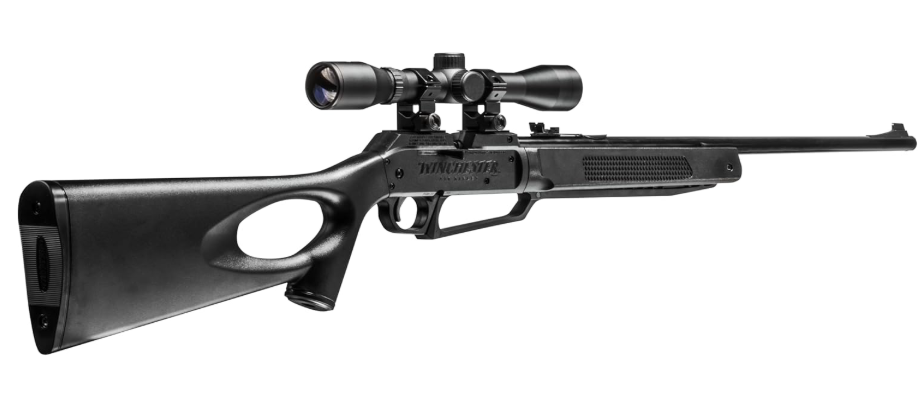
Best 177 Air Rifle for Target Shooting is often misunderstood by many shooters who focus too much on velocity figures and overlook the real foundations of precision shooting. In reality, performance depends on mechanical consistency, barrel quality, trigger control, and how stable the power system behaves from shot to shot. A .177 platform is widely used because it supports predictable pellet flight, manageable recoil, and repeatable accuracy when properly set up. This guide explains the essential features that influence performance, breaks down the strongest types of rifles in this category, and highlights what actually matters when selecting a setup for consistent target shooting.
Best 177 Air Rifle for Target Shooting also requires a structured understanding of how different designs behave under real shooting conditions. Spring, pump, and regulated air systems each produce different levels of consistency, which directly affects grouping performance. The discussion further explores key buying considerations such as trigger quality, optics compatibility, balance, and ammunition consistency. It also outlines top-performing categories, practical selection guidance, and frequently asked questions to help clarify common mistakes and unrealistic expectations when choosing a rifle for accuracy focused shooting.
Best 177 Air Rifle for Target Shooting
1. Crosman CLGY1000KT Legacy Variable Pump .177-Caliber Pellet/BB Air Rifle With Scope
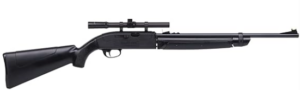
The Crosman CLGY1000KT Legacy Variable Pump .177 Air Rifle is designed for shooters who want flexibility, affordability, and solid target shooting performance without stepping into expensive PCP systems. It combines variable pump power, dual ammo capability, and lightweight handling in a package that suits beginners and casual target shooters well. For anyone learning shooting fundamentals such as trigger control, sight alignment, and consistency, this rifle offers enough performance to build real skills.
One thing that makes this rifle practical is the adjustable pump system. The forearm can be pumped between 3 and 10 times depending on the amount of power needed. Lower pump counts work well for short range practice, while maximum pumping increases velocity for stronger impact and longer range shooting. The rifle can reach up to 1000 FPS with .177 pellets and around 800 FPS using steel BBs. That flexibility gives shooters more control over power and air usage instead of being locked into one shooting speed.
The dual ammo design also increases versatility. Shooters can use both .177 pellets and steel BBs depending on their target shooting preferences. Pellets generally provide better accuracy because of the rifled steel barrel, while BBs are useful for casual plinking sessions. The rifle includes a large 850 round BB reservoir along with a spring loaded 17 round BB feeding system, reducing the need for constant reloading during extended practice sessions.
The included 4×15 scope helps new shooters get started immediately without purchasing extra optics. While the scope is basic compared to premium target scopes, it performs adequately for backyard target shooting and short range accuracy work. The addition of a fiber optic front sight also gives shooters an alternative aiming option in brighter conditions.
Its synthetic stock keeps the rifle lightweight and weather resistant. At around 4.8 pounds, the rifle is easy to carry and handle for extended shooting sessions. The rifled steel barrel improves pellet stabilization and contributes to better grouping accuracy compared to smoothbore designs. The overall build focuses more on practicality and ease of use than premium finishing or competition grade refinement.
The biggest limitation is consistency at higher expectations. Serious precision shooters may eventually outgrow this rifle because variable pump systems require manual effort before every shot, and the included scope has limited optical quality. Shooters looking for elite competition accuracy would likely move toward PCP platforms later. Still, for beginners and recreational target shooters, the Crosman Legacy delivers strong value for the price.
Key Specifications
- Caliber: .177
- Power System: Variable pump pneumatic
- Velocity: Up to 1000 FPS with pellets
- Velocity with BBs: Up to 800 FPS
- Ammo Type: Pellets and steel BBs
- BB Reservoir Capacity: 850 rounds
- BB Feeding System: 17 round spring loaded clip
- Scope: 4×15 included
- Barrel Material: Rifled alloy steel
- Stock Material: Synthetic plastic
- Weight: 4.8 pounds
- Dimensions: 40 x 3 x 6 inches
Pros
- Adjustable power levels for different shooting situations
- Supports both pellets and BBs
- Lightweight and beginner friendly
- Includes scope and fiber optic sight
- Large BB storage capacity
- Good value for entry level target shooting
- Rifled barrel improves pellet accuracy
Cons
- Manual pumping slows rapid shooting
- Included scope has limited quality
2. Barra Air Guns Sportsman 900 BB Gun Rifle for Adults, Pellet Rifles for Hunting, 177 Caliber Airgun with Rifle Scope – Shoot Pellets & BBS, 800 FPS
The Barra Sportsman 900 is a multi pump .177 air rifle built for recreational target shooting, backyard plinking, and beginner level precision practice. It combines pellet and BB compatibility with a traditional rifle appearance, making it appealing to shooters who want a more realistic handling experience without moving into expensive airgun platforms. The rifle focuses on ease of use, decent accuracy, and flexible shooting performance.
One of the stronger aspects of the Sportsman 900 is its multi pump pneumatic system. Shooters can adjust power levels depending on distance and shooting conditions by increasing or reducing pump counts. This gives the rifle more versatility than fixed power systems. With premium .177 pellets, the rifle can reach velocities up to 800 FPS, which is enough for target shooting at moderate distances while still maintaining manageable recoil and control.
The 20 inch rifled barrel helps improve pellet stability and accuracy. Rifled barrels are important for target shooting because they spin the pellet during flight, helping it maintain a straighter path toward the target. Combined with the included 4×15 scope and adjustable fiber optic sights, the rifle gives beginners multiple aiming options right out of the box. The scope is suitable for casual shooting sessions, though experienced shooters may eventually want better optics for tighter groupings.
Another practical feature is the dual ammo capability. Shooters can use either .177 pellets or steel BBs depending on their shooting style. Pellets usually produce better accuracy for paper targets, while BBs work well for informal plinking. The rifle also includes a working bolt action system, which adds a more traditional shooting feel and improves the overall user experience during loading and firing.
The metal barrel and frame provide a sturdier feel than many low cost plastic heavy air rifles. At around 5 pounds, the rifle balances portability with enough weight to feel stable while aiming. Its black finish and tactical styling may attract shooters looking for a more modern appearance compared to classic wood stock designs.
The rifle does have limitations. Like most multi pump airguns, repeated pumping between shots can become tiring during long shooting sessions. The included scope performs adequately but does not offer premium clarity or advanced adjustments. The BB accuracy also falls behind pellet accuracy because BBs do not benefit from rifling in the same way pellets do. Shooters focused on serious precision shooting may eventually prefer a PCP platform for greater consistency and easier follow up shots.
Key Specifications
- Caliber: .177
- Power Type: Multi pump pneumatic
- Velocity: Up to 800 FPS
- Ammo Type: Pellets and steel BBs
- Barrel Length: 20 inches
- Barrel Material: Metal rifled barrel
- Scope: 4×15 included
- Sights: Adjustable fiber optic sights
- BB Capacity: 50 rounds
- Action Type: Bolt action
- Weight: 5 pounds
- Dimensions: 40 x 5 x 8 inches
Pros
- Supports both pellets and BBs
- Rifled barrel improves target accuracy
- Adjustable power through multi pump system
- Bolt action adds realistic handling
- Lightweight and beginner friendly
- Includes scope and fiber optic sights
- Solid value for recreational shooting
Cons
- Pumping between shots can become tiring
- Slower shooting pace compared to PCP rifles
3. Crosman M4-177 Tactical Style Variable Pump .177-Caliber Pellet/BB Air Rifle
The Crosman M4 177 is designed to look like a tactical carbine while functioning as a variable pump .177 air rifle. It targets beginners and casual shooters who want a familiar rifle style, flexible power control, and dual ammo capability. However, beneath the military inspired design, it behaves more like an entry level training airgun than a serious precision target platform.
The variable pump system allows control over power output by adjusting the number of pumps before each shot. This gives a velocity range from around 350 FPS up to 700 FPS depending on effort and pump count. That range is useful for close distance practice and skill development, but it also exposes a weakness. Consistency becomes difficult because every shot depends on manual pumping, meaning small differences in effort can affect accuracy. For target shooting, that inconsistency is a real limitation.
The rifle supports both .177 pellets and steel BBs, but it clearly performs better with pellets due to the rifled steel barrel. BBs are more suited for casual plinking rather than precision work. The 5 round internal magazine system is intentionally simple, but it slows down shooting and makes extended target sessions less efficient. This is not a high capacity or rapid shooting design, and anyone expecting speed will be disappointed.
Its synthetic tactical frame is lightweight and weather resistant, which helps durability in outdoor use. The design is more about appearance and handling style than competition level ergonomics. At about 1 kilogram, it feels light, but that also reduces stability when trying to hold steady for precision shots. Light rifles are easier to carry, but harder to keep perfectly steady during aiming.
The crossbolt safety system is straightforward and effective, which is important for beginners learning handling discipline. The included iron sight setup works for basic use, but most users will rely on adding optics if they want tighter grouping performance. Even then, the platform itself limits how much accuracy can be extracted compared to higher end PCP systems.
The biggest issue with the M4 177 is that it sits in an awkward middle ground. It looks tactical and feels modern, but it does not deliver the consistency or smooth shooting cycle of more advanced air rifles. It is also slower than spring or PCP systems because of the pumping requirement and low magazine capacity. Where it does succeed is in training beginners on fundamentals like aim control, breathing, and shot discipline without expensive equipment.
Key Specifications
- Caliber: .177
- Power system: Variable pump pneumatic
- Velocity range: 350 FPS to 700 FPS
- Ammo types: .177 pellets and 4.5 mm steel BBs
- Magazine capacity: 5 rounds
- Barrel material: Alloy steel rifled barrel
- Frame material: Synthetic plastic
- Weight: 1 kilogram
- Length: 39.25 inches
- Safety: Crossbolt safety system
- Use case: Plinking, basic target shooting, skill training
Pros
- Adjustable power output for different shooting distances
- Lightweight and easy to handle
- Accepts both pellets and BBs
- Rifled barrel improves pellet performance
- Simple safety system for beginners
- Durable synthetic tactical style build
Cons
- Inconsistent accuracy due to manual pumping variation
- Low capacity limits continuous shooting
4. Daisy 880 Multi-Pump Air Rifle
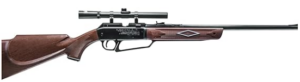
The Daisy 880 is one of the most widely used entry level .177 air rifles for target shooting and casual practice. It has been around for decades because it delivers simple functionality, low cost entry, and enough consistency for learning shooting fundamentals. It is not a precision competition rifle, but it is often used as a stepping stone into more serious target shooting disciplines.
One of its defining characteristics is the multi pump pneumatic system. The shooter controls power by pumping between shots, which directly affects velocity. At full power, the rifle can reach up to about 800 FPS with pellets or BBs. This adjustable power makes it flexible for short range practice and basic target shooting, but it also introduces a limitation. Every shot depends on how consistently the user pumps, which means precision is partly dependent on technique rather than the rifle alone.
The rifle supports both .177 pellets and steel BBs. BBs are stored in a 50 round reservoir for faster casual shooting, while pellets are single loaded for better accuracy. This dual capability makes it versatile, but it also highlights a tradeoff. BBs are convenient but less accurate, while pellets are more precise but slower to load.
The barrel is rifled steel, which improves pellet stability and helps tighten shot grouping compared to smoothbore designs. However, the included 4×15 scope is basic and mainly intended for beginner level use. It allows shooters to learn sight alignment and target acquisition, but it is not designed for high precision long range shooting.
The stock is made from molded synthetic material with a woodgrain finish. It is lightweight and durable, which is helpful for beginners, but it does not offer the rigidity or adjustability found in higher end target rifles. The overall design prioritizes simplicity and accessibility over advanced tuning or competition performance.
The biggest strength of the Daisy 880 is its reliability as a training platform. It teaches core shooting fundamentals like breathing control, trigger discipline, and consistent aiming. The biggest weakness is that it cannot eliminate human inconsistency introduced by pumping variation and basic optics.
Key Specifications
- Caliber: .177 (4.5 mm)
- Power system: Multi-pump pneumatic
- Maximum velocity: up to 800 FPS
- Ammo types: BBs and pellets
- BB capacity: 50 round reservoir
- Pellet loading: single shot
- Barrel: Rifled steel
- Scope: 4×15 included
- Stock: Molded synthetic woodgrain finish
- Length: 37 inches
- Weight: lightweight (approx. 1 kg range depending on configuration)
- Action: Pump pneumatic
Pros
- Very affordable entry point for target shooting
- Supports both BBs and pellets
- Rifled barrel improves pellet accuracy
- Easy to learn basic shooting fundamentals
- Lightweight and simple to operate
- Large BB reservoir for casual shooting sessions
Cons
- Pumping introduces shot-to-shot inconsistency
- Basic scope limits precision potential
5. Crosman 760P Pump Master .177-Caliber Pellet/BB Air Rifle
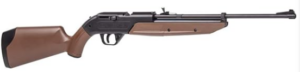
The Crosman 760P Pump Master is an entry level .177 air rifle built for basic target shooting, skill practice, and casual plinking. It is one of those rifles that prioritizes simplicity and low cost over precision engineering. If the expectation is tight, competition grade accuracy, this platform will fall short quickly. If the expectation is learning fundamentals like aiming, trigger control, and basic consistency, it performs its role adequately.
The rifle uses a simple spring driven pump system that builds pressure through manual pumping. This gives it a consistent mechanical operation, but consistency in accuracy still depends heavily on the shooter. The velocity varies depending on how many pumps are used, which means every shot can behave slightly differently. It can reach around 700 FPS depending on setup and ammunition, which is enough for short to mid range target shooting but not enough for serious long range precision work.
A key feature is its dual ammunition capability. It can fire both .177 pellets and steel BBs. BBs are stored in a large reservoir for fast shooting sessions, while pellets are loaded through a 5 shot clip. This creates a clear divide in performance. BBs offer convenience but poor precision, while pellets give better grouping but slower shooting speed. Anyone focused on accuracy will naturally lean toward pellets, but even then the system has limits.
The included 4×15 scope and basic kit accessories make it a ready to use package. However, the optic quality is entry level and does not provide the clarity or adjustment precision needed for serious target shooting. It is functional for learning sight alignment, but it does not elevate the rifle into a high performance platform.
The rifle is lightweight and compact, which makes it easy to handle, especially for beginners or younger users. That light weight also becomes a weakness when trying to maintain steady aim. A heavier, more balanced rifle generally produces better shot stability for precision shooting, so this design favors accessibility over accuracy.
Build materials are mostly synthetic with alloy steel used in the barrel. This keeps costs low and improves durability for casual use. It is not a refined or competition focused build, and it feels that way when compared to higher end air rifles.
The biggest limitation is consistency. Pump based systems naturally introduce variation, and this rifle does not include advanced regulation systems to correct that. As a result, shot grouping depends more on user technique than mechanical precision. That is fine for learning, but not ideal for anyone chasing tight grouping patterns.
Key Specifications
- Caliber: .177
- Power system: Pump driven pneumatic
- Ammunition: .177 pellets and steel BBs
- Pellet loading: 5 shot clip
- BB capacity: 1000 shot reservoir
- Velocity: up to around 700 FPS depending on pump count
- Barrel material: Alloy steel
- Frame material: Synthetic plastic
- Scope: 4×15 included
- Length: 35 inches
- Weight: 2.7 pounds
- Action type: Pump system
Pros
- Very affordable entry point for air rifle shooting
- Dual ammo support for flexibility
- Simple operation with no complex setup
- Lightweight and easy to carry
- Large BB reservoir for long casual sessions
- Suitable for learning basic shooting fundamentals
Cons
- Accuracy varies due to pump dependent power
- Pellet system is slower and less efficient for practice
6. Winchester 1977XS Dual Ammo Pellet BB 1000 FPS Air Rifle (991977-402)
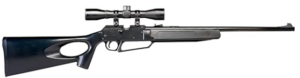
The Winchester 1977XS is a .177 caliber air rifle aimed at users who want higher velocity performance, dual ammo flexibility, and a more solid build than typical entry level pump rifles. It blends spring piston power with BB and pellet compatibility, positioning itself between beginner training rifles and more serious recreational shooting platforms. However, it still carries the typical compromises of dual ammo systems and budget spring designs.
One of its main selling points is velocity. The rifle can reach up to around 1000 FPS when using alloy pellets. On paper, this looks like strong performance for target shooting, especially at longer distances. In reality, high velocity alone does not guarantee accuracy. Spring piston systems generate recoil and vibration during firing, which can affect shot consistency unless the shooter has solid technique and timing control.
The rifle supports both .177 pellets and steel BBs, giving it flexibility for different shooting styles. Pellets are the better option for target shooting due to rifled barrel stabilization, while BBs are more suited for casual plinking. Like most dual ammo rifles, this versatility comes at a cost. The system is not optimized purely for precision, so neither ammo type reaches its full potential compared to dedicated single ammo platforms.
The inclusion of a 4×32 scope is a step up from basic 4×15 optics found on many entry level rifles. It offers better magnification and improved target clarity, which helps at moderate shooting distances. However, the scope still sits in a budget category and does not fully match the performance expectations suggested by the 1000 FPS rating.
Build quality is more solid than lightweight plastic dominated rifles. The composite stock and forearm provide durability, while the overall weight of about 3.1 pounds helps stabilize aiming compared to ultra light rifles. That said, spring piston recoil still requires the shooter to develop consistent hold technique, or accuracy will suffer regardless of optics.
The biggest limitation is the inherent nature of spring piston systems combined with dual ammo design. The rifle delivers power, but not smooth shot-to-shot consistency. This makes it less suitable for precision target shooters who want tight groupings at distance. It is more effective as a general purpose recreational rifle rather than a dedicated accuracy platform.
Key Specifications
- Caliber: .177 (4.5 mm)
- Power system: Spring piston
- Ammunition: BBs and pellets
- Maximum velocity: up to 1000 FPS (pellets)
- Scope: 4×32 included
- Sights: Open sights available
- Barrel material: Alloy steel
- Stock: Composite synthetic material
- Weight: 3.1 pounds
- Length: 37.6 inches
- Capacity: 50 round BB reservoir
Pros
- High velocity rating for its class
- Better scope than many entry level rifles
- Dual ammo flexibility (BBs and pellets)
- Solid composite build construction
- Good for general recreational shooting
- Open sights included for backup aiming
Cons
- Spring piston recoil affects precision consistency
- Dual ammo system reduces optimization for accuracy
7. Gamo 6110017154 Varmint Air Rifle
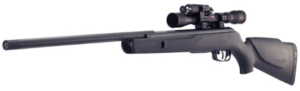
The Gamo Varmint is a spring piston .177 air rifle built for entry level to intermediate target shooting and small pest control style use. It sits in a higher performance category compared to basic pump rifles, mainly because it delivers much higher velocity and comes with a more rigid, purpose built sporting design. However, that power does not automatically translate into competition level accuracy.
One of its most talked about specifications is velocity. The rifle is rated up to around 1250 FPS with .177 pellets. That figure is misleading if taken at face value for precision shooting. In real use, high velocity spring piston rifles often perform best in a moderate velocity range where pellet stability is more predictable. Extremely fast pellets can become less stable depending on weight and environmental conditions, which can negatively affect grouping.
The spring piston power system gives it strong mechanical energy, but it also introduces recoil and vibration. This is the biggest challenge for accuracy. Every shot produces a forward and backward movement that must be controlled by consistent shooting technique. Shooters who do not master hold sensitivity will see inconsistent grouping even with a good scope.
The rifle includes a 4×32 scope, which is a noticeable improvement over entry level optics. It provides better magnification and target clarity, making it more usable for mid range shooting practice. However, like most bundled scopes, it is serviceable rather than precision grade. Serious shooters often replace it to unlock better consistency.
The stock design uses a synthetic Monte Carlo style structure with raised cheek pieces. This helps improve eye alignment with the scope and provides a more stable shooting position compared to flat stocks. The rifle also weighs about 5.5 pounds, which helps absorb some recoil and improves steadiness during aiming.
The steel barrel with fluted polymer jacket adds rigidity while reducing overall weight. This combination helps maintain durability while still being manageable for extended shooting sessions. The manual safety and anti beartrap mechanism improve handling safety, especially for beginners learning spring piston operation.
Despite its strong build and high velocity rating, the Gamo Varmint is still limited by the nature of spring piston systems. It is not a rifle that forgives poor technique. Consistency depends heavily on the shooter’s ability to maintain identical positioning and trigger control on every shot.
Key Specifications
- Caliber: .177 (4.5 mm)
- Power system: Spring piston
- Maximum velocity: up to 1250 FPS
- Ammunition: .177 pellets (single shot)
- Scope: 4×32 included with mount
- Barrel: Steel with fluted polymer jacket
- Stock: Synthetic Monte Carlo with raised cheekpieces
- Weight: 5.5 pounds
- Length: 43.3 inches
- Safety: Manual safety and anti beartrap mechanism
- Action: Break barrel single shot
Pros
- High velocity output for its class
- Stable 5.5 pound weight improves handling
- Better 4×32 scope than entry level kits
- Solid synthetic Monte Carlo stock design
- Good for intermediate skill development
- Strong build quality for the price range
Cons
- Spring recoil affects precision consistency
- Single shot loading slows practice rhythm
- Also Read: Best PCP Air Rifle for Target Shooting
Advantages of a .177 Air Rifle for Target Shooting
1. Flatter trajectory improves aiming consistency
A .177 pellet is light and fast, which means it travels in a relatively straight path over short to medium distances. For target shooting, this reduces the amount of holdover adjustment needed compared to heavier calibers. The result is a simpler aiming process, especially for beginners learning sight alignment. However, this same lightness makes it more sensitive to wind and minor shooting errors, so the advantage only holds in controlled conditions.
2. Low recoil supports better precision development
One of the biggest strengths of .177 air rifles is minimal recoil, especially in PCP or lower powered systems. Less recoil means the shooter can stay aligned with the target after each shot, which helps in diagnosing mistakes and improving trigger control. This is why .177 dominates training environments. The downside is that in spring piston models, even small recoil still disrupts accuracy, meaning the benefit depends heavily on the rifle type.
3. Lower cost enables high volume practice
.177 pellets are among the cheapest airgun projectiles available. This matters more than people admit because target shooting is built on repetition. The cheaper the ammunition, the more training shots a shooter can afford, and consistency improves through repetition. The weakness in this advantage is psychological: many users over-practice without correcting technique, which leads to reinforcing bad habits instead of improving accuracy.
4. Standardization in competition environments
The .177 caliber is the official standard in Olympic 10 meter air rifle events. That creates a global ecosystem of rifles, pellets, targets, and training systems designed specifically around it. This standardization means better equipment availability and clearer benchmarks for performance. The limitation is that competition grade .177 systems are highly specialized and expensive, so most casual shooters never actually experience the level of precision the caliber is known for.
5. Better control for fundamental skill building
Because .177 rifles are widely used in training, they are strongly associated with developing core shooting mechanics such as breathing control, trigger squeeze, and follow through. The lighter pellet and manageable recoil force shooters to focus on technique rather than brute power. The drawback is that this can create a false sense of simplicity, where users assume the rifle will compensate for poor form when in reality it exposes it.
6. Safer energy levels for controlled environments
Compared to larger calibers, .177 air rifles generally produce lower impact energy. This makes them more suitable for controlled environments like indoor ranges or backyard setups where regulations allow. It reduces risk while still allowing meaningful target practice. The downside is that “lower energy” does not mean “risk free,” and poor handling or unsafe environments can still lead to serious problems
Factors to Consider When Choosing a .177 Air Rifle for Target Shooting
1. Accuracy potential and barrel quality
Accuracy is the first filter that matters, not velocity or marketing claims. A good target rifle depends heavily on how consistently the barrel stabilizes the pellet from shot to shot. Rifling quality, barrel consistency, and internal alignment matter more than external design. Many rifles look “precise” on paper but fail here because manufacturing tolerances are loose. If this factor is weak, no amount of skill or optics will fix poor grouping.
2. Power system consistency
The way the rifle generates air power directly affects shot stability. Spring systems introduce recoil, pump systems introduce human variation, and PCP systems rely on regulated air pressure for consistency. For target shooting, inconsistency is the enemy. A system that varies shot-to-shot forces the shooter to compensate constantly, which destroys tight grouping. If consistency is not controlled mechanically, precision becomes guesswork.
3. Trigger quality and control
A heavy, unpredictable trigger ruins accuracy faster than most beginners realize. Target shooting demands a smooth, clean break with minimal movement before discharge. Poor triggers force the shooter to “fight” the rifle, which leads to jerking shots and inconsistent impact points. A good trigger doesn’t improve skill on its own, but a bad one actively blocks improvement.
4. Optics compatibility and sighting system
Even a highly accurate rifle becomes useless if the sighting system is poor. The ability to mount stable optics and adjust for elevation and windage is critical. Basic factory sights are fine for learning, but serious target work requires reliable optical alignment. Weak mounting systems or low-quality scopes create drifting point-of-impact issues that shooters often mistake for personal error.
5. Weight and balance of the rifle
Balance determines how steady the rifle stays during aiming, especially for longer sessions. A rifle that is too light tends to wobble, while one that is too heavy causes fatigue and shaking. Good target rifles distribute weight so the shooter can hold a stable position without overcorrecting. Poor balance forces the body to compensate constantly, which reduces repeatability.
6. Ammunition efficiency and pellet consistency
Not all .177 pellets behave the same way. Consistent pellet shape, weight, and fit inside the barrel matter more than most people expect. Even a good rifle will produce poor results with inconsistent ammunition. For target shooting, the system is only as strong as its weakest link, and low-quality pellets introduce unpredictable flight paths that ruin tight groupings.
7. Recoil behavior and shot disturbance
Recoil is not just about comfort, it directly affects follow-through and sight picture stability. In spring-based systems, recoil can shift the rifle before the pellet fully exits the barrel, which reduces precision. Lower disturbance systems allow the shooter to maintain a stable sight picture and better analyze shot placement. If recoil is chaotic, precision becomes harder to repeat consistently.
8. Build stability and long-term durability
A rifle used for target shooting must maintain alignment over time. Cheap materials or flexible frames can shift slightly with use, changing point of impact without the shooter realizing it. Structural rigidity ensures that the barrel, sights, and mounting systems stay fixed under repeated use. If the structure moves even slightly, accuracy degradation will appear slowly and be difficult to diagnose.
Frequently Asked Questions About the Best .177 Air Rifles for Target Shooting