
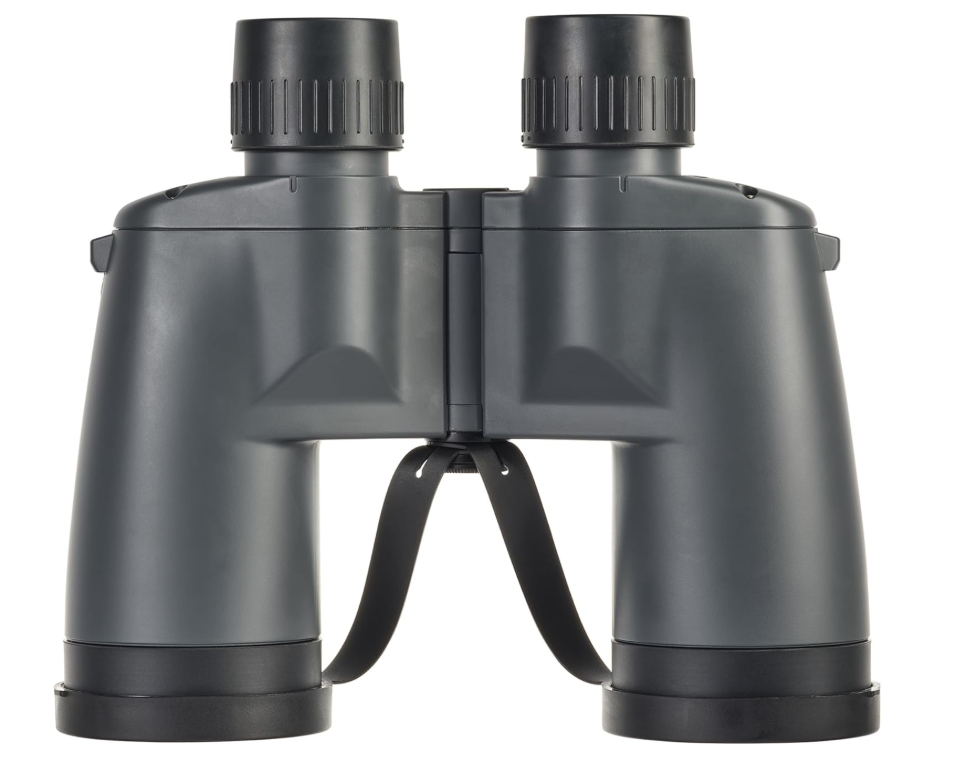
Best Binoculars for Whale Watching in Alaska are essential for turning distant sightings into clear, detailed, and memorable wildlife experiences across Alaska’s vast coastal waters. The right binoculars make it easier to track whale movement, observe surfacing behavior, and enjoy wider ocean views while handling changing weather conditions such as fog, rain, and low light. High quality optics, comfortable magnification, durable construction, and weather resistant performance make these binoculars especially effective for marine environments and long observation sessions.
In this guide, you will explore the most important features to look for, discover top picks across different needs and budgets, learn how to choose the right model through a practical buying guide, and find answers to frequently asked questions to help you make a confident decision.
5 Best Binoculars for Whale Watching in Alaska
1. Steiner Marine 7×50 Binoculars
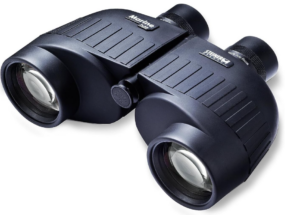
When searching for the Best Binoculars for Whale Watching in Alaska, the Steiner Marine 7×50 stands out as a strong option for travelers who need dependable optics in cold, wet, and constantly moving conditions. Whale watching in Alaska presents unique challenges including shifting weather, ocean spray, changing light, and viewing from unstable boat platforms. These binoculars are built specifically for environments where ordinary optics struggle.
The 7x magnification combined with large 50 mm objective lenses creates a viewing experience that favors image brightness and stability rather than excessive zoom. This balance matters when spotting whales surfacing at distance or tracking movement across open water. The wide field of view of 356 feet at 1000 yards also helps capture broad sections of the ocean without constant repositioning.
One of the strongest advantages is Steiner’s Sports Auto Focus system. Once adjusted to your eyesight, the binoculars remain sharp from approximately 20 yards to infinity without continuous refocusing. During whale watching tours, where subjects appear and disappear quickly, this feature allows immediate observation rather than wasting time adjusting focus.
Durability is another reason these binoculars fit Alaskan conditions. The waterproof construction protects against rain and sea spray, while the rubber armored exterior improves grip even when hands are cold or damp. Steiner also includes a Floating Prism System designed to absorb shock and maintain optical performance after bumps and rough handling during travel or boat excursions.
Image quality remains impressive with High Contrast Optics delivering bright views and natural color reproduction. Whether observing humpback whales breaching, watching distant wildlife along the shoreline, or enjoying scenic coastal landscapes, the viewing experience feels clear and immersive.
Key Specifications
| Specification | Details |
|---|---|
| Product Name | Steiner Marine 7×50 Binoculars |
| Brand | Steiner |
| Magnification | 7x |
| Objective Lens Diameter | 50 mm |
| Field of View | 356 ft at 1000 yards |
| Focus System | Sports Auto Focus |
| Waterproof | Yes |
| Armor | Rubber Armored Exterior |
| Shock Protection | Floating Prism System |
| Age Range | Adult |
| Warranty | Heritage Lifetime Warranty |
| Color | Black |
Pros
- Excellent image brightness for cloudy and low light Alaska conditions
- Wide field of view makes locating whales easier
- Auto focus system reduces interruptions during observation
- Waterproof construction handles ocean spray and rain
- Lifetime warranty adds long term value
Cons
- Heavier than compact travel binoculars
2. Celestron – Nature DX 8×42 Binoculars
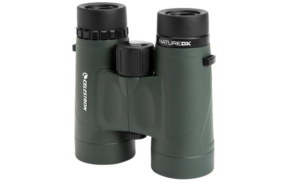
Finding the Best Binoculars for Whale Watching in Alaska means choosing optics that balance clarity, weather resistance, comfort, and practical magnification for long viewing sessions on open water. The Celestron Nature DX 8×42 delivers a well rounded package that works especially well for travelers who want strong performance without moving into premium marine binocular pricing.
The 8x magnification offers a useful balance between detail and image steadiness, making it easier to observe whales surfacing, tail movements, and distant coastal scenery without excessive hand shake. Combined with the 42 mm objective lenses, the binoculars gather enough light to maintain bright and detailed views during cloudy mornings and variable Alaskan weather conditions while remaining easier to carry than larger marine models.
Image quality is another area where the Nature DX performs well. Fully multi coated optics work together with phase coated BaK 4 prisms to improve brightness, contrast, and color accuracy. This creates cleaner image definition when scanning ocean horizons or tracking moving wildlife. The wide 7.4 degree field of view also helps cover more water at once, reducing the need for constant repositioning when following whale activity.
For outdoor use, durability becomes just as important as optical quality. The waterproof and nitrogen purged construction helps prevent internal fogging during cold temperatures, rain, and changing humidity levels. The rubber armored housing improves grip and protection during travel, while tripod adaptability adds flexibility for longer observation sessions when maximum viewing stability is preferred.
Key Specifications
| Specification | Details |
|---|---|
| Product Name | Celestron Nature DX 8×42 |
| Brand | Celestron |
| Magnification | 8x |
| Objective Lens Diameter | 42 mm |
| Field of View | 7.4° |
| Prism Type | BaK 4 Phase Coated |
| Lens Coating | Fully Multi Coated |
| Waterproof | Yes |
| Fogproof | Yes |
| Housing Material | Rubber Armored Polycarbonate |
| Tripod Adaptable | Yes |
| Warranty | Limited Lifetime Warranty |
Pros
- Lightweight design compared with larger marine binoculars
- Sharp and bright image quality with excellent color accuracy
- Wide field of view supports easier whale tracking
- Waterproof and fog resistant for changing Alaska weather
- Tripod compatibility improves long duration viewing comfort
Cons
- No built in focus free system for instant distance changes
3. Nikon MONARCH M7 8×42 Binocular
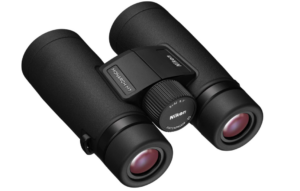
Choosing the Best Binoculars for Whale Watching in Alaska often comes down to image quality, viewing comfort, weather resistance, and how quickly you can locate moving subjects across open water. The Nikon MONARCH M7 8×42 positions itself as a premium option built for wildlife observation and outdoor environments where clarity and field coverage matter more than extreme magnification.
The 8x magnification pairs exceptionally well with 42 mm objective lenses to create a viewing experience that remains stable while still revealing distant details. During whale watching, this balance helps track surfacing whales, observe tail movements, and scan broad ocean areas without excessive image movement that higher powered binoculars can introduce. The impressive wide field of view reaching up to 435 feet at 1000 yards makes locating and following marine activity noticeably easier.
Optical performance is one of the strongest reasons to consider this model. Nikon equips the MONARCH M7 with Extra Low Dispersion glass elements, multilayer coatings, and phase corrected dielectric coated prisms to improve resolution, color accuracy, and contrast. These technologies help reduce color fringing and maintain image sharpness across changing light conditions often experienced in Alaska, especially during cloudy mornings or evening excursions.
Comfort and durability further strengthen its appeal. The lightweight full size design reduces fatigue during extended viewing sessions, while the locking diopter supports consistent personal adjustments once set. Twist up click stop eyecups and generous eye relief improve usability for eyeglass wearers. The waterproof, fogproof, and rubber armored construction protects the binoculars in wet and cold marine environments, and oil and water repellent coatings help maintain clear lenses with minimal maintenance.
Key Specifications
| Specification | Details |
|---|---|
| Product Name | Nikon MONARCH M7 8×42 |
| Brand | Nikon |
| Magnification | 8x |
| Objective Lens Diameter | 42 mm |
| Field of View | 435 ft at 1000 yds |
| Glass Type | Extra Low Dispersion Glass |
| Prism Type | Phase Corrected Dielectric Coated |
| Lens Coating | Multilayer Coated |
| Waterproof | Yes |
| Fogproof | Yes |
| Lens Protection | Oil and Water Repellent Coating |
| Eyecups | Twist Up Click Stop |
| Warranty | Nikon USA Official Model |
Pros
- Outstanding edge to edge image clarity and color reproduction
- Very wide field of view improves whale tracking
- Excellent low light performance for changing Alaska conditions
- Comfortable for extended handheld viewing sessions
- Waterproof and fog resistant construction for marine environments
Cons
- No integrated image stabilization for viewing from moving boats
4. Vortex Diamondback HD 10×42 Binoculars
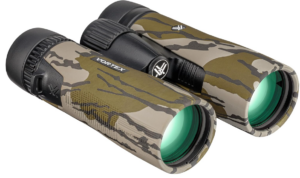
Selecting the Best Binoculars for Whale Watching in Alaska requires balancing magnification, image clarity, weather protection, and long term comfort. The Vortex Diamondback HD 10×42 is designed for outdoor enthusiasts who want stronger reach than standard 8x models while maintaining portability and dependable all weather performance. For whale watching, this higher magnification can reveal more distant details across open water.
The 10x magnification combined with 42 mm objective lenses provides a closer and more detailed look at whale movement, blow activity, and distant coastal scenery. Compared with lower powered binoculars, the additional magnification helps observers pull subjects closer, though it also requires steadier handling. The binoculars are tripod adaptable, making them more practical for extended viewing sessions from observation decks or stable boat positions.
Image quality is a major strength of the Diamondback HD series. Select HD glass elements work to reduce chromatic aberration while improving resolution and color accuracy. Fully multi coated optics and dielectric coatings maximize light transmission and create bright, sharp images even under cloudy Alaskan skies. Armortek exterior coatings also add protection against scratches, dirt, and water exposure.
Durability and usability support long term outdoor use. The rubber armored body improves grip and impact resistance, while argon purging with O ring sealing protects against internal fogging and moisture. Adjustable eyecups and a central focus wheel allow comfortable viewing whether using eyeglasses or not. The included GlassPak harness also helps distribute weight more comfortably during long excursions.
Key Specifications
| Specification | Details |
|---|---|
| Product Name | Vortex Diamondback HD 10×42 |
| Brand | Vortex |
| Magnification | 10x |
| Objective Lens Diameter | 42 mm |
| Optics | HD Glass Elements |
| Lens Coating | Fully Multi Coated |
| Prism Coating | Dielectric Coated |
| Lens Protection | Armortek Coating |
| Waterproof | Yes |
| Fogproof | Yes |
| Shockproof | Yes |
| Tripod Adaptable | Yes |
| Included Accessory | GlassPak Harness |
| Warranty | Unlimited Lifetime VIP Warranty |
Pros
- Higher magnification provides excellent long distance whale observation
- Sharp and color accurate image quality with HD optics
- Tripod compatibility supports steadier extended viewing
- Strong weather resistance for marine environments
- Excellent lifetime warranty coverage and ownership value
Cons
- 10x magnification can introduce more visible hand shake on moving boats
5. Fujifilm Fujinon Mariner 7×50 WPC-XL Porro Prism Binocular
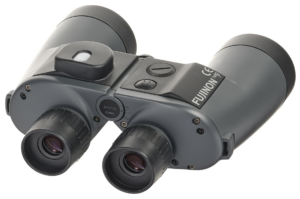
When evaluating the Best Binoculars for Whale Watching in Alaska, marine focused binoculars deserve special attention because open water viewing creates different demands than birding or general wildlife observation. The Fujifilm Fujinon Mariner 7×50 WPC XL is purpose built for water environments and focuses on stability, brightness, and practical navigation features rather than extreme magnification.
The 7x magnification combined with large 50 mm objective lenses creates an excellent balance for whale watching. Lower magnification helps reduce visible shake while viewing from moving boats, while the larger objective lenses allow more light to enter for brighter images under cloudy skies and changing coastal weather. This setup makes it easier to observe whales surfacing at distance without sacrificing viewing comfort.
One of the more unique features of this binocular is the integrated world compass, which adds utility during marine excursions and open water navigation. The individual focus system is designed to maintain image clarity across long distances once adjusted, reducing the need for repeated focusing while scanning large sections of ocean. The Porro prism optical design also contributes to stronger depth perception and bright image output compared with many compact roof prism alternatives.
Durability remains a strong advantage for marine use. Waterproof construction helps protect against sea spray and wet weather conditions, while the floating capability when used with the included floating strap provides extra peace of mind around water. For travelers planning whale watching tours in Alaska, these details make the binocular especially practical for real world use rather than occasional sightseeing.
Key Specifications
| Specification | Details |
|---|---|
| Product Name | Fujifilm Fujinon Mariner 7×50 WPC XL |
| Brand | Fujifilm |
| Magnification | 7x |
| Objective Lens Diameter | 50 mm |
| Prism Design | Porro Prism |
| Focus System | Individual Focus |
| Waterproof | Yes |
| Marine Feature | Integrated World Compass |
| Floating Capability | Yes with Floating Strap |
| Intended Use | Marine and Outdoor Observation |
Pros
- Excellent brightness and stability for whale watching conditions
- Built in compass adds practical marine functionality
- Floating capability reduces risk during boat excursions
- Large objective lenses perform well in low light
- Comfortable viewing with reduced image shake compared with higher magnification models
Cons
- Bulkier than compact 8×42 roof prism binoculars
Also Read About: 5 Best Binoculars for Whale Watching
Advantages of Best Binoculars for Whale Watching in Alaska
1. Better Long Distance Viewing
One of the biggest advantages of using the Best Binoculars for Whale Watching in Alaska is the ability to observe whales clearly from long distances without disturbing their natural behavior. Quality binoculars allow you to see body movement, tail patterns, and surfacing activity while remaining safely positioned on boats or viewing platforms.
2. Wider Field of View for Easier Tracking
A wide field of view makes it easier to locate and follow whales as they surface and move across open water. Instead of constantly adjusting position, users can scan larger areas quickly and maintain visual contact more comfortably during active viewing sessions.
3. Improved Low Light Performance
Alaska often experiences cloudy weather, fog, and changing light conditions. Binoculars designed for whale watching usually feature larger objective lenses and advanced coatings that gather more light, producing brighter and clearer images during early mornings, late afternoons, and overcast conditions.
4. More Stable Viewing Experience
The right binocular magnification helps reduce visible image shake, especially when viewing from moving boats. Models commonly used for whale watching prioritize viewing stability so users can enjoy longer observation sessions with less eye strain and a more relaxed experience.
5. Weather Resistant Performance
Marine environments expose equipment to moisture, rain, fog, and sea spray. High quality whale watching binoculars are typically waterproof and fogproof, helping maintain clear visibility and protecting internal components during changing outdoor conditions.
6. Greater Image Detail and Clarity
Premium optics, coated lenses, and improved prism systems create sharper images with better color accuracy and contrast. This makes it easier to notice fine details such as whale markings, water movement, surrounding wildlife, and distant landscapes.
7. Increased Comfort During Extended Use
Whale watching trips can last several hours, making comfort an important factor. Ergonomic construction, balanced weight, adjustable eyecups, and smooth focusing systems allow users to observe longer without excessive fatigue or discomfort.
8. Versatility Beyond Whale Watching
Another major advantage is that these binoculars remain useful after the trip ends. The same binoculars can perform well for birdwatching, wildlife observation, hiking, sightseeing, marine excursions, and general outdoor exploration, increasing their long term value.
Factors to Consider When Choosing the Best Binoculars for Whale Watching in Alaska
1. Magnification Level
Magnification plays a major role in whale watching performance because it determines how close distant subjects appear. For marine viewing, moderate magnification is often preferred since excessive zoom can amplify movement from boats and make tracking whales more difficult. A balanced magnification level provides enough detail while maintaining image stability and comfort.
2. Objective Lens Size
Objective lens diameter affects how much light enters the binoculars and directly influences image brightness. Larger lenses generally produce clearer and brighter views in cloudy, foggy, or low light conditions that are common in Alaska. At the same time, lens size impacts overall weight, so finding the right balance between brightness and portability is important.
3. Field of View
A wide field of view allows users to scan larger sections of open water and locate whale activity more efficiently. Since whales surface unpredictably and move quickly across broad areas, wider viewing coverage reduces the need for constant repositioning and makes tracking more enjoyable.
4. Optical Quality and Lens Coatings
Image quality depends heavily on glass quality and optical coatings. Fully coated optics, advanced prism systems, and higher quality glass improve brightness, contrast, color accuracy, and edge sharpness. Better optics also help reduce glare and improve visibility under changing weather conditions.
5. Waterproof and Fogproof Protection
Marine environments expose binoculars to moisture, sea spray, rain, and rapid temperature changes. Choosing waterproof and fogproof construction helps protect internal components and prevents lens fogging that could interfere with viewing during whale watching excursions.
6. Weight and Viewing Comfort
Whale watching sessions can last for extended periods, making comfort an important consideration. Lightweight construction, balanced design, comfortable eyecups, and easy focusing systems reduce hand fatigue and improve overall usability during long observation periods.
7. Focus System and Ease of Use
The focus mechanism affects how quickly users can react to changing viewing distances. Smooth and responsive focus controls allow fast adjustments when whales surface unexpectedly, while simpler systems may offer convenience during continuous long distance observation.
8. Durability and Long Term Value
A durable binocular is more likely to perform consistently across years of travel and outdoor use. Features such as protective armor, impact resistance, quality construction materials, and strong warranty coverage help improve reliability and make the investment more worthwhile over time.
Frequently Asked Questions About Best Binoculars for Whale Watching in Alaska
1. What magnification is best for whale watching in Alaska?
For most whale watching situations in Alaska, moderate magnification usually delivers the best experience because it balances viewing detail with image stability. Extremely high magnification can make tracking moving whales more difficult, especially when viewing from boats. A moderate range generally provides comfortable long distance observation while keeping images steadier.
2. Are waterproof binoculars necessary for whale watching in Alaska?
Yes, waterproof binoculars are highly recommended because Alaska’s marine environments often involve rain, ocean spray, humidity, and rapid weather changes. Waterproof and fogproof protection helps maintain clear visibility and protects internal optical components during extended outdoor use.
3. Can binoculars for whale watching also be used for birdwatching and travel?
Yes, quality binoculars designed for whale watching are often versatile enough for birdwatching, wildlife observation, sightseeing, hiking, and general outdoor use. Their combination of magnification, weather resistance, and image quality makes them useful across multiple activities.
Conclusion
Best Binoculars for Whale Watching in Alaska can transform the entire viewing experience by bringing distant whale activity closer while maintaining clarity, comfort, and reliability in demanding coastal conditions. The right binoculars combine suitable magnification, bright optics, wide viewing coverage, and weather resistant construction to help users track movement across open water with greater ease. Features such as quality lens coatings, comfortable ergonomics, and durable marine ready designs make these binoculars especially valuable for extended observation sessions.
Ultimately, choosing the right binoculars depends on how you balance image quality, portability, low light performance, and ease of use. Whether the priority is maximum brightness, wider ocean scanning, stronger detail at distance, or long term durability, the best options provide a more immersive and enjoyable whale watching experience. A well selected pair also extends beyond Alaska adventures and continues to deliver value for wildlife observation, travel, and outdoor exploration long after the trip ends.