

Best binoculars for whale watching can transform a simple ocean excursion into a far more immersive and rewarding experience by bringing distant marine activity into sharp and stable view. Unlike ordinary binoculars, the best options for whale watching are designed to handle long viewing distances, moving boats, changing weather, and reflective water conditions through features such as quality optics, image stabilization, wide viewing angles, and waterproof construction. Choosing the right binoculars can make it easier to locate whales, follow their movement, and enjoy clearer detail with greater comfort during extended observation sessions.
In this guide, you will explore the key features that matter most, discover top binocular picks, learn the essential factors to consider before buying, and find answers to common questions to help you select the right binoculars for your whale watching adventures.
5 Best Binoculars for Whale Watching
1. Fujinon Techno-Stabi TS-X 14×40 Image Stabilization Binocular
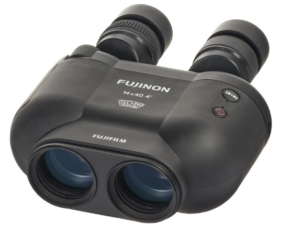
When searching for the best binoculars for whale watching, stability and clarity matter more than extreme magnification alone. The Fujinon Techno Stabi TS X 14×40 is built specifically for situations where movement can ruin the viewing experience, making it a strong option for whale watchers observing from boats or coastal platforms.
One of the biggest challenges during whale watching is keeping distant marine life steady in view while dealing with ocean motion. The TS X 14×40 addresses this with an advanced image stabilization system powered by a gyro sensor. It detects even small vibrations and adjusts the internal prism system to compensate with up to ±6° of correction. This makes long viewing sessions more comfortable and helps maintain focus on moving whales without excessive shaking.
The 14x magnification offers excellent reach for spotting whales farther offshore while the 40mm objective lenses collect enough light to maintain image brightness. Combined with Fujinon’s EBC Multi Coating, the binoculars reduce flare and ghosting while improving overall light transmission. This becomes especially useful during cloudy weather, sunrise excursions, or late afternoon whale watching tours.
Optical quality is another area where these binoculars perform well. The multi element lens design minimizes chromatic aberration and improves sharpness across the field of view. Details remain crisp near the edges instead of softening noticeably, allowing users to track whale breaches, tail movements, and surface activity more naturally.
Durability is equally important for marine environments. The TS X 14×40 uses nitrogen purging and O ring sealing for water and fog resistance. The rubber armored body improves grip security, which is valuable when handling binoculars in wet or windy conditions on open water.
Key Specifications
| Specification | Details |
|---|---|
| Brand | FUJINON |
| Model | Techno Stabi TS X 14×40 |
| Magnification | 14x |
| Objective Lens Diameter | 40 mm |
| Image Stabilization | Yes |
| Stabilization Range | ±6° |
| Lens Coating | EBC Multi Coating |
| Water Resistance | Water and fog proof |
| Body Construction | Rubber armored |
| Intended Users | Adult |
Pros
- Excellent image stabilization for viewing from moving boats
- Strong 14x magnification for distant whale sightings
- Sharp image quality with controlled chromatic aberration
- Effective low light performance with 40mm objective lenses
- Water and fog resistant construction for marine conditions
Cons
- Premium pricing may not suit casual users
2. Canon BINOCULAR 12×36 IS Ⅲ
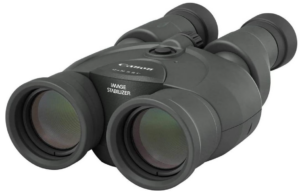
Finding the best binoculars for whale watching means balancing magnification, portability, and image stability. The Canon 12×36 IS III is designed for users who want strong long distance viewing performance without carrying large and heavy marine binoculars. Its combination of 12x magnification and optical image stabilization makes it especially appealing for whale watching tours, coastal observation, and travel.
One of the strongest qualities of this binocular is its optical Image Stabilizer technology. Watching whales often involves movement from boats, wind, or natural hand shake that can make distant subjects difficult to follow. Canon’s stabilization system actively counteracts motion to maintain a steadier image, helping users observe whale surfacing, tail movements, and distant activity with greater comfort and less eye strain.
The 36mm objective lenses provide a bright and detailed image while keeping the binocular relatively compact. Canon’s Super Spectra lens coating improves light transmission and supports accurate colour reproduction with reduced reflections. Combined with the Porro II prism design and field flattener lenses, the result is a clear viewing experience with consistent sharpness from edge to edge.
Portability is another major advantage. Compared with larger stabilized binoculars, the Canon 12×36 IS III is easier to carry for extended excursions and travel. Whether standing on a whale watching deck, exploring coastal viewpoints, or moving between observation locations, the lightweight design helps reduce fatigue during long sessions.
Key Specifications
| Specification | Details |
|---|---|
| Brand | Canon |
| Model | BINOCULAR 12×36 IS III |
| Magnification | 12x |
| Objective Lens Diameter | 36 mm |
| Image Stabilization | Yes |
| Lens Coating | Super Spectra Coating |
| Prism Design | Porro II |
| Optical Features | Field Flattener Lenses |
| Power Source | Alkaline Battery LR6 1.5V |
| Included Accessories | Eyepiece Cap, Neck Strap, Case, Battery, Instruction Book |
Pros
- Portable and easier to carry than larger stabilized binoculars
- Effective image stabilization for smoother whale observation
- Sharp image quality with accurate colour reproduction
- Wide and flat viewing experience across the image
- Good balance between magnification and comfort
Cons
- Requires battery power for stabilization function
3. Nikon Monarch HG 10x42mm Binocular
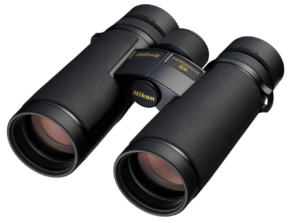
Choosing the best binoculars for whale watching is not simply about selecting the highest magnification. Wide viewing angles, image clarity, comfort, and weather protection often matter more when tracking moving whales across open water. The Nikon Monarch HG 10x42mm is designed to deliver a balanced viewing experience with premium optics, a lightweight build, and reliable outdoor durability.
The first thing that stands out is the exceptionally wide field of view. Whale watching frequently involves scanning broad sections of ocean and quickly locating movement on the surface. Nikon’s Field Flattener Lens System helps maintain sharpness across the entire image rather than allowing softness near the edges. This makes it easier to track whale breaches and follow movement naturally without constantly repositioning the binoculars.
Image quality is another major strength. The MONARCH HG uses ED (Extra low Dispersion) glass together with fully multilayer coated lenses and prisms to improve detail, reduce colour fringing, and maintain accurate colours. Dielectric and phase correction coatings enhance brightness and contrast, helping deliver a high definition viewing experience even in changing coastal light conditions. The 42mm objective lenses also gather enough light to keep images bright during early morning and late afternoon whale watching sessions.
Comfort and portability are equally important for extended observation. Nikon uses a magnesium alloy body that reduces weight while maintaining durability and impact resistance. The ergonomic shape and rubberized grip improve handling, especially in wet marine environments. Long eye relief, adjustable eyecups, and the locking diopter adjustment further improve comfort, making these binoculars suitable for long periods of observation and users who wear glasses.
Built for unpredictable outdoor conditions, the Monarch HG is waterproof and fogproof with nitrogen filling and O ring sealing. This protection adds confidence when using the binoculars around ocean spray, coastal humidity, and changing weather conditions.
Key Specifications
| Specification | Details |
|---|---|
| Brand | Nikon |
| Model | Monarch HG 10×42 |
| Magnification | 10x |
| Objective Lens Diameter | 42 mm |
| Optical Glass | ED Extra low Dispersion Glass |
| Lens Coating | Fully Multilayer Coated |
| Prism Coating | Dielectric and Phase Correction |
| Field Enhancement | Field Flattener Lens System |
| Construction | Magnesium Alloy Body |
| Weather Protection | Waterproof and Fogproof |
| Water Resistance | Up to 5 m for 10 minutes |
Pros
- Wide field of view for easier whale tracking
- Sharp edge to edge image quality
- Bright and colour accurate optics
- Lightweight magnesium alloy construction
- Excellent waterproof and fogproof protection
Cons
- No image stabilization for use on moving boats
4. SIG SAUER ZULU6 HDX Marine Image Stabilized Binoculars
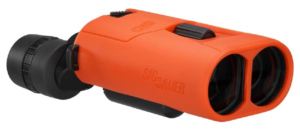
Finding the best binoculars for whale watching becomes more challenging once observation moves offshore. Boat movement, ocean glare, and long viewing distances can quickly expose the limitations of standard binoculars. The SIG SAUER ZULU6 HDX Marine 16×42 is purpose built for marine environments and combines powerful magnification with optical image stabilization to maintain a usable and comfortable viewing experience.
The most impressive aspect of the ZULU6 HDX Marine is its Optical Image Stabilization system. High magnification normally amplifies every small hand movement and vessel vibration, making distant viewing difficult. This binocular actively reduces movement to deliver a steadier image even in rough water conditions. For whale watching, this means easier tracking of surfacing whales, longer observation sessions, and less eye fatigue.
With 16x magnification and 42mm objective lenses, the binocular provides strong reach for offshore viewing while maintaining brightness and detail. The HDX Lens System improves light transmission, contrast, and overall resolution while helping reduce glare from reflective ocean surfaces. This becomes especially useful during bright midday conditions where standard optics can struggle with excessive reflections.
One feature that adds practical flexibility is the selectable viewing modes. Scan Mode supports smoother wide area observation when searching large ocean sections, while Target Mode increases stabilization performance for more precise viewing of distant subjects. According to the product information, Target Mode improves stabilization effectiveness by up to 50 percent, giving users greater control depending on viewing conditions.
Marine durability also receives strong attention. The IPX7 waterproof and fogproof construction protects the optics against rain, sea spray, humidity, and temperature shifts. The bright protective armor improves visibility around water, and the included floating strap adds security during use aboard boats where accidental drops can happen.
Key Specifications
| Specification | Details |
|---|---|
| Brand | Sig Sauer |
| Model | ZULU6 HDX Marine |
| Magnification | 16x |
| Objective Lens Diameter | 42 mm |
| Image Stabilization | Optical Image Stabilization |
| Optical System | HDX Lens System |
| Viewing Modes | Scan Mode and Target Mode |
| Stabilization Boost | Up to 50 percent in Target Mode |
| Weather Protection | Waterproof and Fogproof |
| Waterproof Rating | IPX7 |
| Included Accessory | Floating Neck Strap |
Pros
- Excellent optical image stabilization for marine conditions
- Powerful 16x magnification for long distance whale observation
- HDX optics reduce glare and improve contrast
- Scan and Target modes increase viewing flexibility
- IPX7 waterproof design with floating strap for marine safety
Cons
- Higher magnification creates a narrower field of view
5. Kite Optics APC Stabilized 12×42 Binoculars
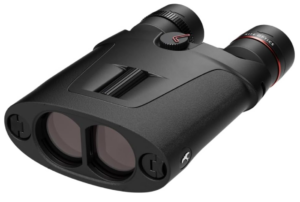
Selecting the best binoculars for whale watching requires more than strong magnification. Open water introduces movement, changing weather, and long periods of observation that can quickly make ordinary binoculars difficult to use. The Kite Optics APC Stabilized 12×42 is designed to solve those challenges by combining image stabilization, quality optics, and weather resistant construction in a package built for demanding outdoor environments.
The defining advantage of this binocular is its advanced image stabilization system. High magnification often exaggerates hand movement and boat motion, making distant subjects difficult to observe comfortably. The APC stabilization technology actively reduces shake and vibration to deliver a steadier image, even in windy conditions or while viewing from moving boats. For whale watching, this translates into easier tracking of distant surfacing whales and a more relaxed viewing experience over extended periods.
Optically, the 12x magnification paired with 42mm objective lenses creates a practical balance between reach and image brightness. The roof prism design supports detailed viewing while maintaining efficient light transmission for bright and clear visuals. Whether scanning the horizon or focusing on whale activity farther offshore, the binocular delivers strong detail and improved visibility without requiring extreme magnification.
Long viewing sessions are another area where the APC Stabilized performs well. The stabilization system helps reduce eye fatigue by minimizing constant visual corrections caused by image movement. This becomes particularly valuable during whale watching tours where observation periods can last for hours and opportunities appear unpredictably.
Built for outdoor reliability, the binocular features an IPX7 waterproof rating and nitrogen filled construction to prevent internal fogging. It remains dependable in rain, humidity, sea spray, and changing temperatures, making it suitable for marine environments where weather conditions can shift quickly.
Key Specifications
| Specification | Details |
|---|---|
| Brand | Kite Optics |
| Model | APC Stabilized 12×42 |
| Magnification | 12x |
| Objective Lens Diameter | 42 mm |
| Stabilization | Image Stabilization |
| Prism Type | Roof Prism |
| Waterproof Rating | IPX7 |
| Fog Protection | Nitrogen Filled |
| Water Resistance | Up to 1 meter for 30 minutes |
| Recommended Uses | Marine Use, Bird Watching, Hunting, Nature Observation |
Pros
- Excellent image stabilization for moving boats and offshore viewing
- Balanced 12x magnification for detail and easier tracking
- Bright and clear image performance with 42mm lenses
- Comfortable for long observation sessions
- Reliable waterproof and fogproof construction
Cons
- Requires stabilization system operation for best performance
Also Read About: Best Binoculars for Long Distance Viewing
Advantages of Best Binoculars for Whale Watching
1. Stable Viewing Even on Moving Boats
One of the biggest advantages of using the best binoculars for whale watching is improved viewing stability while observing from boats or coastal platforms. Models with image stabilization reduce the effect of hand movement and vessel motion, making it easier to maintain focus on whales without constant repositioning. This creates a smoother and more enjoyable viewing experience.
2. Better Long Distance Observation
Whales often appear far from shore or surface briefly at long distances. High quality whale watching binoculars provide the magnification needed to spot distant activity while preserving image detail. This allows users to observe whale movement, breaches, and tail displays more clearly than with standard binoculars.
3. Wider Field of View for Easier Tracking
A wider field of view helps users scan large sections of open water and quickly locate whale activity. Once a whale is spotted, it becomes easier to follow movement across the horizon without losing sight of the subject. This advantage becomes especially useful when observing fast moving pods.
4. Brighter and Clearer Images in Changing Light
Whale watching conditions often involve early mornings, cloudy skies, ocean reflections, and late afternoon viewing. Premium binoculars use advanced coatings and larger objective lenses to improve brightness and contrast. This results in clearer images and better visibility across changing lighting conditions.
5. Reduced Eye Fatigue During Long Viewing Sessions
Extended observation with unstable or lower quality optics can become uncomfortable over time. High performance whale watching binoculars are designed to deliver a steady and sharp image that reduces the strain placed on the eyes. This allows users to observe longer without discomfort or frequent breaks.
6. Reliable Performance in Marine Conditions
The best binoculars for whale watching are commonly built with waterproof and fogproof construction to handle sea spray, humidity, and changing temperatures. Nitrogen filled interiors and sealed bodies prevent internal fogging and maintain clear performance even in challenging coastal environments.
7. Improved Detail and Image Sharpness
Premium optical systems help reveal finer details that ordinary binoculars may miss. Better resolution and colour accuracy allow users to distinguish whale features, observe movement patterns, and enjoy a more immersive wildlife viewing experience without noticeable distortion.
8. Greater Comfort and Ease of Use
Modern whale watching binoculars are designed with ergonomic grips, adjustable eyecups, and balanced weight distribution for comfortable handling. These features make them easier to hold during long excursions and improve usability for both experienced observers and first time whale watchers.
Factors to Consider When Choosing the Best Binoculars for Whale Watching
1. Magnification Level
Magnification determines how close distant whales appear during observation. Higher magnification can reveal more detail, but it also makes image movement more noticeable and can narrow the field of view. For whale watching, selecting balanced magnification helps maintain both visibility and easier tracking across open water.
2. Objective Lens Size
The objective lens diameter affects how much light enters the binoculars. Larger lenses generally produce brighter images and improve viewing in cloudy weather, early mornings, and late afternoons. However, increasing lens size can also add weight, so balancing brightness with portability is important.
3. Image Stabilization Technology
Whale watching often takes place on moving boats where vibrations and hand movement affect image quality. Image stabilization reduces shake and creates a steadier viewing experience, especially at higher magnifications. This feature can significantly improve comfort and viewing accuracy during extended sessions.
4. Field of View
A wider field of view makes it easier to scan large ocean areas and locate whales more quickly. It also helps maintain visual contact when whales surface briefly or move across the horizon. Narrow fields may provide more detail but can make tracking more difficult.
5. Optical Quality and Lens Coatings
Lens quality directly affects sharpness, brightness, contrast, and colour accuracy. Advanced coatings improve light transmission while reducing glare and reflections from water surfaces. High quality optics create a clearer and more detailed viewing experience in changing outdoor conditions.
6. Waterproof and Fogproof Protection
Marine environments expose binoculars to humidity, sea spray, rain, and temperature changes. Waterproof construction and fog resistant sealing help maintain clear internal optics and improve long term durability. These features become especially valuable during frequent outdoor and coastal use.
7. Weight and Viewing Comfort
Comfort plays a major role during long whale watching excursions. Lightweight designs reduce arm fatigue while ergonomic grips, adjustable eyecups, and comfortable eye relief improve usability. Choosing binoculars that remain comfortable over extended periods leads to a better overall experience.
8. Build Quality and Durability
Whale watching equipment should withstand repeated outdoor exposure and transportation. Strong materials, protective exterior coatings, and reliable sealing improve longevity and performance. A durable design ensures the binoculars continue delivering consistent results across many viewing sessions.
Frequently Asked Questions About Best Binoculars for Whale Watching
1. What magnification is best for whale watching binoculars?
For most whale watching situations, magnification between 10x and 16x provides a strong balance between distance viewing and usability. Lower magnification generally offers a wider field of view and easier tracking, while higher magnification helps reveal more distant details but may benefit from image stabilization.
2. Are image stabilized binoculars worth it for whale watching?
Image stabilized binoculars can provide a major advantage, especially when observing from boats. Stabilization reduces hand movement and vessel motion, making it easier to maintain focus on whales and reducing eye fatigue during longer viewing sessions.
3. Are waterproof binoculars necessary for whale watching?
Waterproof binoculars are highly recommended because whale watching often involves exposure to humidity, ocean spray, wind, and changing weather conditions. Waterproof and fogproof construction helps protect internal optics and maintain clear performance over time.
Conclusion
Best binoculars for whale watching provide far more than simple magnification. The right models combine stable viewing, strong optical clarity, wide fields of view, weather resistant construction, and comfortable handling to create a more enjoyable and effective observation experience. Features such as image stabilization, quality lens coatings, and reliable waterproof protection help users track distant whale activity with greater precision and less visual fatigue, whether viewing from shore or aboard a moving vessel.
Across all the options discussed, the most effective binoculars are those that balance reach, brightness, durability, and ease of use for real marine conditions. Choosing based on factors such as magnification, lens size, stabilization performance, comfort, and environmental protection ensures better long term value and a more rewarding whale watching experience. With the right binoculars, every surfacing moment becomes easier to spot, follow, and appreciate in greater detail.