
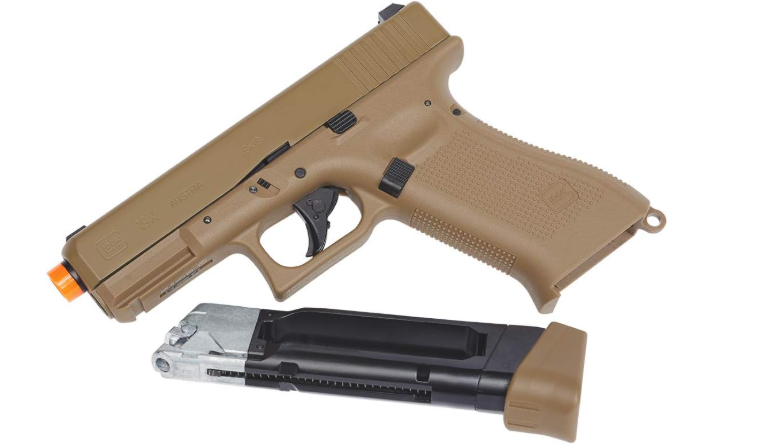
Best CO2 Pistol for Practice Shooting has become a popular choice for shooters who want realistic handling, affordable training, and consistent access to skill development without the cost and restrictions of live firearms. These pistols are widely used for learning fundamentals such as grip control, aiming, reload practice, and basic target engagement, making them a practical option for beginners and hobby shooters. Their appeal comes from the balance between realism and convenience, allowing users to train in controlled environments with varying levels of simulation.
In this guide, you will find a breakdown of the key features that define a good practice CO2 pistol, along with top picks based on performance and usability. It also covers a detailed buying guide to help you understand what matters most before choosing a model, followed by frequently asked questions to clear common doubts. The goal is to help you make a clear and informed decision based on real training needs rather than marketing claims or unrealistic expectations.
5 Best CO2 Pistol for Practice Shooting
1. Umarex T4E Walther PPQ .43 Caliber Training Pistol Paintball Gun Marker
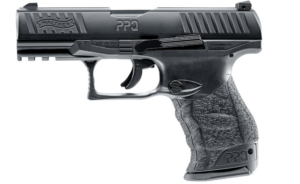
The Umarex T4E Walther PPQ .43 is often pushed into the “practice shooting pistol” category, but that label can be misleading if you interpret it too loosely. This is not a precision target pistol and it will not behave like a traditional air pistol or firearm used for accuracy based competition. It is a CO2 powered training marker built for realistic handling, force on force drills, and scenario based practice rather than tight group shooting.
This model focuses on realism in size, weight, and controls, which is useful if your goal is learning manipulation under pressure. The slide action, magazine release, and overall feel are designed to mimic a duty pistol experience. However, that realism comes with a trade off. It is less about accuracy and more about function under simulated stress, meaning it will never satisfy shooters looking for tight grouping consistency at distance.
Powered by CO2 and firing.43 caliber paintballs, rubber rounds, or powder balls, the system is built for short range engagement training. The velocity reaches up to 355 FPS, which is sufficient for defensive simulation but not controlled precision shooting. The 8 round magazine is realistic but limited, which reinforces reload training but can feel restrictive for general range use.
Construction is solid, using a metal barrel and metal slide with a polymer and metal frame combination depending on component stress points. The Picatinny rail allows accessories like lights or lasers, which supports training environments. The sights are adjustable at the rear with fixed front markings, but they are not designed for fine precision tuning. They are functional for close range training scenarios only.
Where many buyers misjudge this product is expecting it to behave like a standard “practice shooting” pistol for improving accuracy. That expectation fails quickly. Its real value is in weapon handling familiarity, stress drills, and defensive training simulation, not paper target precision.
Key Specifications
| Specification | Detail |
|---|---|
| Brand | Umarex |
| Model | T4E Walther PPQ |
| Caliber | .43 |
| Power Source | CO2 |
| Magazine Capacity | 8 rounds |
| Velocity | Up to 355 FPS |
| Barrel Material | Metal |
| Frame Material | Metal and polymer |
| Product Dimensions | 12.25 x 2.75 x 8 inches |
| Weight | 2 pounds |
| Ammunition Types | Paintballs, rubber balls, powder balls |
| Sights | Adjustable rear, fixed front |
| Accessory Rail | Picatinny |
Pros
- Very realistic handling closely mimics a duty pistol
- Strong build quality with metal reinforced components
- Supports multiple ammo types for different training styles
- Useful for reload and manipulation drills under pressure
- Accessory rail allows tactical attachments for training setups
Cons
- Not suitable for precision target shooting or tight grouping practice
- CO2 dependency reduces consistency over extended use
2. Sig Sauer P365 6mm BB Caliber 12rd CO2 Powered
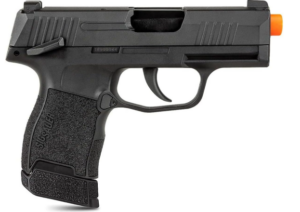
The Sig Sauer ProForce P365 Airsoft Pistol is marketed as a realistic training replica, but it sits in a very specific category that many buyers misunderstand. It is not a precision practice pistol and it will not behave like a competition ready platform. It is a compact CO2 blowback airsoft pistol designed mainly for handling familiarity, close range drills, and recreational training rather than accuracy focused shooting.
The design closely follows the real P365 profile, which makes it useful for users who want consistent grip and manipulation practice. The metal slide and CO2 blowback system add realism in cycling and recoil feel. However, this realism comes at the cost of efficiency. CO2 consumption is noticeable, and performance tends to drop during longer sessions, especially when the cartridge cools under rapid fire use.
It fires 6 millimeter BBs at up to around 350 feet per second, which is adequate for short distance target engagement but not stable enough for precision grouping work. The 12 round magazine reinforces compact concealed carry style training rather than extended range sessions. This forces more reload practice, which can be beneficial, but it limits sustained shooting flow.
The 3 dot sights are bright and easy to acquire quickly, but they are not adjustable enough for serious accuracy tuning. They support instinctive aiming rather than refined precision shooting. The ambidextrous safety and compact frame improve usability, but again, everything here is built around replication of carry handling rather than competition level control.
A major limitation is consistency. Like most CO2 airsoft pistols in this class, shot velocity can vary depending on temperature, firing speed, and cartridge condition. That makes it unreliable for shooters who expect repeatable accuracy. It performs best in controlled indoor environments or short outdoor drills.
Key Specifications
| Specification | Detail |
|---|---|
| Brand | Sig Sauer |
| Model | ProForce P365 |
| Caliber | 6 millimeter BB |
| Power Source | CO2 |
| Magazine Capacity | 12 rounds |
| Velocity | Up to 350 FPS |
| Blowback | Yes |
| Frame Material | Metal and polymer |
| Slide Material | Metal |
| Sights | 3 dot high visibility |
| Safety | Ambidextrous manual safety |
| Intended Use | Training and recreational practice |
Pros
- Realistic size and handling closely matches compact carry pistol feel
- Blowback system improves manipulation and recoil familiarity
- Metal slide adds durability and realistic cycling action
- Easy to use sight picture for fast target acquisition
- Compact design supports concealment style training drills
Cons
- Not suitable for precision shooting or competition training
- CO2 performance drops during extended or rapid fire sessions
3. Glock 19X Half Blowback 6mm BB Pistol Airsoft Gun
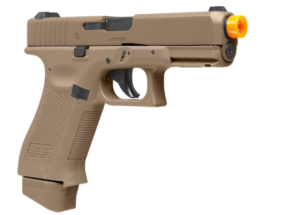
The Glock 19X Half Blowback 6mm BB Pistol Airsoft Gun is marketed as a training and recreational CO2 airsoft pistol, but you need to be clear about what it actually delivers. This is not a precision shooting tool and it is not designed to compete with match grade pistols. It is built for handling familiarity, basic target engagement, and airsoft use where realism matters more than tight accuracy.
The first thing you notice is the licensed Glock design. The ergonomics closely mimic the real Glock 19X platform, which makes it useful for grip training and draw practice. However, the half blowback system reduces slide movement compared to full blowback pistols. That improves gas efficiency but weakens recoil realism, which is a trade off serious trainers will immediately notice.
It fires 6mm BBs at up to around 300 feet per second, which places it on the lower end of CO2 airsoft performance. That speed is enough for close range practice, but it does not support consistent accuracy at distance. The polymer frame with aluminum slide keeps weight manageable, but it also means durability is more recreational grade than professional training equipment.
The 20 round magazine is one of its stronger practical features. It allows longer shooting strings compared to many compact CO2 pistols, which helps with repetition drills. Still, the overall shooting experience is more about familiarity and function than precision refinement. The fixed sight setup is basic and not intended for fine adjustment, which limits its usefulness for accuracy focused shooters.
CO2 efficiency is better than full blowback systems, but shot consistency still varies depending on temperature and firing rate. Like most pistols in this category, it performs best in short controlled sessions rather than extended range work.
Key Specifications
| Specification | Detail |
|---|---|
| Brand | Elite Force |
| Model | Glock 19X Half Blowback |
| Caliber | 6 millimeter BB |
| Power Source | CO2 |
| Magazine Capacity | 20 rounds |
| Velocity | Up to 300 FPS |
| Blowback Type | Half blowback |
| Frame Material | Polymer |
| Slide Material | Aluminum alloy |
| Licensing | Fully licensed Glock design |
| Intended Use | Training, airsoft, recreational shooting |
Pros
- Licensed Glock design gives realistic handling and grip feel
- Higher 20 round capacity supports longer practice strings
- CO2 efficiency improved due to half blowback system
- Lightweight build makes it easy to carry and train with
- Good entry level option for basic weapon familiarity drills
Cons
- Half blowback reduces realism compared to full recoil systems
- Velocity is relatively low for serious training applications
4. Gamo 611139554 Pellet/Steel BB 611139554 Air Pistols
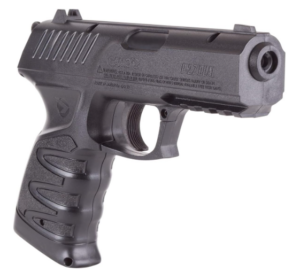
The Gamo 611139554 Pellet/Steel BB Air Pistol is positioned as a dual purpose CO2 air pistol that supports both pellets and steel BBs, which immediately sets it apart from most entry level training pistols. However, despite that versatility, it is still not a competition grade platform. It is built for general practice shooting, plinking, and basic target work rather than precision match performance.
One of its main selling points is the dual ammo compatibility. Being able to switch between .177 pellets and steel BBs gives it flexibility for different shooting styles. Pellets generally offer better accuracy potential than BBs, but this platform still remains limited by its overall design and trigger system. It is not tuned for tight grouping at longer distances, so expectations must stay realistic.
Powered by CO2, it delivers speeds up to around 430 feet per second depending on pellet type. That velocity is respectable for a recreational CO2 pistol and provides enough power for short to medium range target shooting. However, like most CO2 systems, performance consistency can vary with temperature and firing rate, which affects shot stability during longer sessions.
The pistol includes a 16 round double magazine system, split into two 8 round sides. This design improves usability and allows quick switching between loads, but it does not translate into competitive efficiency. The fixed sights with reflective white dots are easy to pick up quickly, but they lack fine adjustment capability, which limits precision tuning.
Build construction uses a combination of polymer frame and metal barrel components. It feels solid for its category but still sits firmly in the recreational class rather than professional training equipment. The tactical accessory rail adds some customization options, though most accessories will not significantly improve accuracy performance.
Key Specifications
| Specification | Detail |
|---|---|
| Brand | Gamo |
| Model | 611139554 |
| Caliber | .177 |
| Ammunition Type | Pellets and steel BBs |
| Power Source | CO2 |
| Velocity | Up to 430 FPS |
| Magazine Capacity | 16 rounds (dual 8 round system) |
| Barrel Material | Metal |
| Frame Material | Polymer |
| Sights | Fixed with white dot inserts |
| Accessory Rail | Yes |
| Intended Use | Practice shooting and recreational plinking |
Pros
- Dual ammunition system allows pellets and BB use
- Higher velocity compared to many entry level CO2 pistols
- Simple sight system allows fast target acquisition
- Tactical rail supports basic accessory mounting
- Double magazine setup improves reload flexibility
- Good entry level option for casual target practice
Cons
- CO2 performance varies under temperature and rapid fire use
- Trigger system not designed for match grade control
5. Umarex Walther PPQ 6mm BB Pistol Airsoft Gun
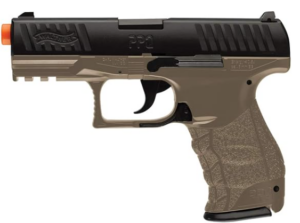
The Umarex Walther PPQ 6mm BB Pistol Airsoft Gun sits in a very different category compared to CO2 blowback pistols. This is a spring powered airsoft pistol kit, meaning it does not use gas or CO2 at all. That immediately limits realism in recoil but improves simplicity and reliability. It is aimed at beginners, casual shooters, and basic practice rather than serious training or competition preparation.
The spring powered system requires manual cocking for each shot, which slows down firing speed but forces deliberate shooting. That can actually help beginners develop trigger discipline, but it also makes it unsuitable for realistic defensive or competition style drills. The absence of blowback reduces moving parts and gas dependency, but it also removes recoil simulation entirely.
This model fires 6mm BBs at up to around 300 feet per second, which is standard for entry level airsoft pistols. Accuracy is acceptable at short distances, but it is not engineered for precision shooting. The fixed internal barrel system and basic hop up tuning limit how tight the grouping can get, especially beyond close range.
The polymer frame keeps the pistol lightweight, and the metal barrel adds a small degree of durability. The kit format is one of its main advantages, including extra magazines and large BB supply. This makes it more of a complete starter package rather than a standalone performance tool.
The magazine design includes a high capacity reservoir system, which reduces reload frequency during practice sessions. However, this system prioritizes convenience over realism, so it does not replicate real firearm handling accurately. The sights are basic and intended for quick acquisition rather than fine precision adjustment.
Key Specifications
| Specification | Detail |
|---|---|
| Brand | Elite Force |
| Model | Walther PPQ Spring Airsoft Kit |
| Caliber | 6 millimeter BB |
| Power Source | Spring piston |
| Magazine Capacity | 15 rounds with reservoir system |
| Velocity | Up to 300 FPS |
| Frame Material | Polymer |
| Barrel Material | Metal |
| Blowback | No |
| Kit Includes | 2 magazines, 800 BBs total |
| Intended Use | Beginner practice and recreational shooting |
Pros
- Simple spring system requires no CO2 or gas
- Complete kit with magazines and BB supply included
- Lightweight design makes it easy for beginners
- Consistent basic operation with low maintenance needs
- Reservoir magazines reduce frequent reloading interruptions
- Good entry level platform for learning basic shooting mechanics
Cons
- No recoil or blowback reduces realism significantly
- Primarily a beginner level recreational airsoft pistol
Also Read: Best Pistol Holster for Sweatpants
Frequently Asked Questions About Best CO2 Pistol for Practice Shooting
1. What is a CO2 pistol used for in practice shooting?
A CO2 pistol is mainly used for training fundamentals such as aiming, trigger control, and basic target engagement. It is not a full replacement for precision firearms or competition tools. Instead, it helps users develop handling skills and familiarity in a controlled and lower cost environment.
2. How accurate are CO2 pistols for practice shooting?
Accuracy depends on the build quality, barrel system, and sight design, but most CO2 pistols are designed for short range use rather than precision shooting. They can perform well for general target practice, but they are not engineered for tight groupings at longer distances or competition level scoring.
3. What should I consider before buying a CO2 pistol for practice?
Key factors include the intended training purpose, consistency of CO2 performance, build quality, magazine capacity, and maintenance requirements. It is also important to understand whether the pistol is designed for realism, accuracy, or basic recreational use, since most models do not excel equally in all areas.
Conclusion
Best CO2 pistol for practice shooting delivers value mainly through accessibility, realism in handling, and affordable training compared to live firearms. From the models discussed, it is clear that these pistols are not designed for competition precision but for skill building, manipulation practice, and short range target engagement. Their strengths lie in teaching fundamentals such as grip, trigger control, reload efficiency, and basic target acquisition rather than producing match level accuracy.
Overall, the best choices in this category are the ones that match the user’s training goal instead of chasing unrealistic performance expectations. Some models prioritize realism, others focus on simplicity or versatility, but none are complete solutions for advanced competition shooting. When chosen correctly, they become effective training tools that build consistency and confidence, but when misused or misunderstood, they quickly reveal their limitations.