

Best Computerized Telescope for Viewing Planets and Galaxies options make exploring the night sky easier, more accurate, and more rewarding for both beginners and experienced observers. These telescopes combine quality optics with guided navigation, object tracking, and user friendly operation to help users locate planets, galaxies, nebulae, and star clusters with less effort and better viewing results. Whether you want detailed planetary observation or brighter views of deep sky objects, the right telescope can significantly improve the overall astronomy experience.
In this guide, you will discover the top telescope selections for viewing planets and galaxies, compare their most important features, and understand what makes each option suitable for different needs and budgets. You will also find a practical buying guide covering the key factors to consider before choosing, along with answers to frequently asked questions to help you make a confident decision.
5 Best Computerized Telescope for Viewing Planets and Galaxies
1. Celestron NexStar 8SE Computerized Telescope
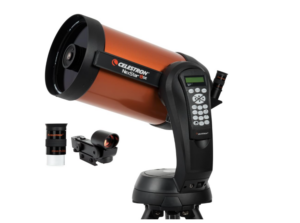
When searching for the Best Computerized Telescope for Viewing Planets and Galaxies, the Celestron NexStar 8SE consistently earns attention for combining strong optical performance with an automated observing experience. Designed for both newcomers and experienced skywatchers, this telescope removes much of the complexity traditionally associated with astronomy while still delivering detailed celestial views.
The NexStar 8SE features an 8 inch Schmidt Cassegrain optical system with a 203 mm aperture that gathers substantial amounts of light. This larger aperture makes a noticeable difference when observing planetary details and faint deep sky objects. Lunar craters appear crisp, Jupiter reveals cloud bands and planetary structure, and brighter galaxies and globular clusters become easier to detect under favorable sky conditions.
Its fully computerized GoTo mount transforms the observing process. Using the included NexStar+ hand controller, users gain access to a database containing more than 40,000 celestial objects. Instead of manually locating targets, the telescope automatically points toward selected objects and continues tracking them as they move across the sky. This allows more time spent observing and less time navigating.
Another major advantage is SkyAlign technology, which simplifies setup. Users only need to center three bright stars or planets and the system determines alignment automatically. This reduces the learning curve and makes the telescope approachable for first time users while remaining efficient for experienced observers.
The compact optical tube design improves portability compared with larger traditional reflector setups. The telescope also supports expansion through compatible accessories for wireless operation, improved location accuracy, and enhanced automation. Combined with reliable customer support and warranty coverage, the NexStar 8SE positions itself as a long term investment for serious astronomy enthusiasts.
Key Specifications
| Specification | Details |
|---|---|
| Brand | Celestron |
| Model | NexStar 8SE Computerized Telescope |
| Optical Design | Schmidt Cassegrain |
| Aperture | 203 mm (8 inch) |
| Optical Tube Length | 432 mm |
| Mount Type | Computerized Altitude Azimuth Single Fork Arm |
| Object Database | 40,000+ Celestial Objects |
| Eyepiece | 25 mm |
| Focus Type | Manual Focus |
| Finderscope | StarPointer Red Dot Finderscope |
| Power Options | 8 AA batteries, 12V AC adapter, or PowerTank external power source |
| Dimensions | 32 × 34 × 52 inches |
Pros
- Excellent 8 inch aperture for detailed planetary and deep sky viewing
- Computerized GoTo system makes locating objects fast and convenient
- SkyAlign setup reduces alignment complexity
- Compact design compared with many large aperture telescopes
- Upgradeable ecosystem with broad accessory compatibility
Cons
- Single fork mount can show slight vibration during high magnification viewing
2. MEEZAA Telescope, 150EQ Newtonian Reflector Telescope
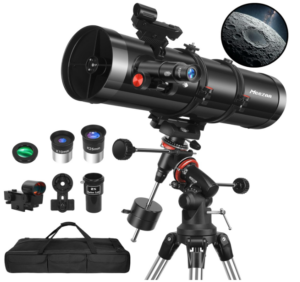
For buyers researching the Best Computerized Telescope for Viewing Planets and Galaxies, the MEEZAA 150EQ offers a different approach by prioritizing optical performance and manual astronomy skills over automation. This Newtonian reflector telescope is designed for adults and beginners who want strong viewing capability while learning how to navigate the night sky through a traditional equatorial mount system.
The MEEZAA 150EQ uses a 150 mm aperture paired with a 650 mm focal length to gather enough light for bright and detailed observations. This aperture size performs well for lunar exploration, planetary observation, and viewing brighter deep sky objects. The telescope reveals visible lunar surface texture, planetary features, and provides satisfying views of star clusters and selected galaxies under darker skies.
Its German equatorial mount is one of the telescope’s strongest practical advantages. Unlike basic altitude azimuth mounts, the equatorial design allows smoother manual tracking of celestial objects as they move across the sky. Slow motion control knobs provide more precise adjustments, making it easier for beginners to understand astronomical movement while giving experienced users better control during observation sessions.
The included accessories create a complete starter package. Users receive 25 mm and 10 mm eyepieces, a 2X Barlow lens that expands magnification options from 26X to 130X, a moon filter to reduce brightness during lunar viewing, a red dot finderscope for easier target acquisition, a smartphone adapter for casual astrophotography, and a large carry bag for transportation and storage. Tool free assembly also makes initial setup straightforward.
Key Specifications
| Specification | Details |
|---|---|
| Brand | MEEZAA |
| Model | 150EQ |
| Optical Design | Newtonian Reflector |
| Aperture | 150 mm |
| Focal Length | 650 mm |
| Optical Tube Length | 650 mm |
| Mount Type | German Equatorial Mount |
| Eyepieces Included | 25 mm and 10 mm Kellner |
| Magnification Range | 26X to 130X |
| Focus Type | Manual Focus |
| Compatible Devices | Smartphone, Camera |
| Accessories | 2X Barlow Lens, Moon Filter, Phone Adapter, Carry Bag, Finderscope |
| Tripod | Adjustable Stainless Steel |
Pros
- Large 150 mm aperture delivers bright and detailed views
- Equatorial mount improves object tracking accuracy
- Complete accessory package reduces additional purchases
- Portable carry bag makes transportation easier
- Phone adapter allows simple astronomy photography
Cons
- 130X maximum included magnification may limit higher power planetary viewing
3. Celestron StarSense Explorer 150AZ
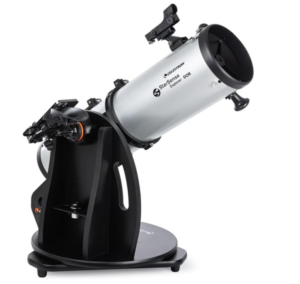
For anyone searching for the Best Computerized Telescope for Viewing Planets and Galaxies, the Celestron StarSense Explorer 150AZ delivers a modern approach that blends traditional telescope optics with smartphone assisted navigation. Built to remove the frustration of finding celestial objects manually, this telescope helps beginners spend more time observing and less time searching.
The StarSense Explorer 150AZ uses a 150 mm Newtonian reflector paired with high reflectivity optical coatings to produce bright and detailed images. Its aperture gathers enough light to reveal impressive lunar features, visible planetary structure on Jupiter and Saturn, and brighter deep sky targets including nebulae, galaxies, and star clusters. The tabletop Dobsonian design also keeps the setup compact and approachable for home use.
What separates this telescope from conventional beginner models is the StarSense Explorer app integration. After docking a compatible smartphone and launching the app, the system uses sky recognition technology to determine telescope position by analyzing star patterns overhead. Users simply follow the on screen guidance until reaching the selected target. This creates a guided observing experience without requiring a fully motorized mount.
The app also recommends the best objects visible for your current location and observing time, helping users discover planets, nebulae, and galaxies more efficiently. Combined with smooth manual movement and simple setup, the StarSense Explorer 150AZ offers an enjoyable introduction to astronomy while maintaining enough capability for continued use as experience grows.
Key Specifications
| Specification | Details |
|---|---|
| Brand | Celestron |
| Model | StarSense Explorer 150AZ |
| Optical Design | Newtonian Reflector |
| Aperture | 150 mm |
| Optical Tube Length | 723.9 mm |
| Mount Type | Altazimuth Tabletop Dobsonian |
| Eyepieces Included | 25 mm and 10 mm Kellner |
| Focus Type | Manual Focus |
| Navigation System | StarSense Smartphone App |
| Power Source | Manual operation without external power |
| Finderscope | StarPointer Red Dot |
| Device Compatibility | iPhone and Android |
Pros
- Smartphone guided object finding makes astronomy easier for beginners
- 150 mm aperture provides bright planetary and deep sky views
- No external batteries or power system required
- Tabletop Dobsonian mount offers smooth manual movement
- StarSense app suggests visible objects based on location and time
Cons
- Tabletop design requires a stable elevated surface for comfortable use
4. Gskyer 70mm 400mm AZ Telescope
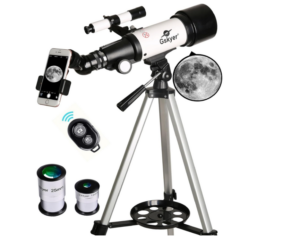
When evaluating options for the Best Computerized Telescope for Viewing Planets and Galaxies, the Gskyer 70mm AZ targets a very different audience from larger astronomy systems. This refracting telescope focuses on simplicity, portability, and affordability, making it suitable for kids, beginners, and casual observers who want an easy introduction to observing the night sky.
The telescope features a 70 mm aperture combined with a 400 mm focal length and fully coated optical glass designed to improve light transmission and image clarity. For lunar observation and brighter celestial targets, the optics deliver clear and enjoyable views. Beginners can explore the Moon’s major surface features, brighter star fields, and limited planetary detail while learning basic telescope operation.
Its altazimuth mount keeps movement simple with manual up, down, left, and right adjustments. Unlike computerized or equatorial systems, this design reduces setup complexity and allows new users to begin observing quickly. The included finder scope assists with locating targets while interchangeable eyepieces and the included 3X Barlow lens expand magnification possibilities for different viewing situations.
One of the more beginner focused additions is the smartphone adapter and wireless camera remote, allowing users to capture basic photos and operate their device remotely. Combined with the adjustable tripod and included carry bag, the telescope becomes easy to transport for backyard sessions, family trips, and casual stargazing experiences.
Key Specifications
| Specification | Details |
|---|---|
| Brand | Gskyer |
| Model | Astronomical Refracting Telescope |
| Optical Design | Refractor |
| Aperture | 70 mm |
| Focal Length | 400 mm |
| Optical Tube Length | 400 mm |
| Mount Type | Altazimuth Mount |
| Focus Type | Manual Focus |
| Eyepiece System | Interchangeable Eyepieces with 3X Barlow |
| Finderscope | 5×24 Reflex Finder |
| Accessories | Phone Adapter, Wireless Remote, Carry Bag |
| Tripod | Adjustable Aluminum Alloy |
Pros
- Easy setup for first time users
- Lightweight and travel friendly design
- Fully coated optics improve image brightness
- Includes smartphone adapter and wireless remote
- Affordable entry point into astronomy
Cons
- 70 mm aperture limits galaxy and deep sky performance
5. Amazon Basics 70mm Aperture 400mm AZ Mount Telescope
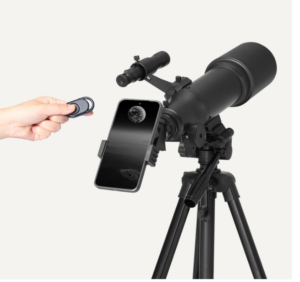
For buyers exploring the Best Computerized Telescope for Viewing Planets and Galaxies, the Amazon Basics 70mm Telescope is positioned as an affordable starter telescope built for casual astronomy and family use rather than advanced sky exploration. Its simple design, included accessories, and beginner focused setup make it accessible for users taking their first steps into observing the night sky.
This telescope uses a 70 mm refractor optical system with a 400 mm focal length and fully multi coated optics to improve image brightness and clarity. Under suitable conditions, it delivers enjoyable views of the Moon’s surface features, Jupiter’s brighter moons, and larger star fields. The erect image design also allows the telescope to double as a terrestrial viewing instrument for daytime use.
The package includes 20 mm and 10 mm eyepieces together with a 3X Barlow lens, creating a usable magnification range from 18X to 120X. Users can experiment with lower power wide field viewing or increase magnification for observing brighter celestial objects. A 5×24 finderscope with crosshair guidance also helps simplify locating targets.
For users interested in casual astrophotography, Amazon includes a smartphone adapter and wireless remote for capturing basic images through the eyepiece. The lightweight aluminum tripod supports multiple viewing positions and quick adjustment, while the included carry bag improves portability and storage convenience.
Key Specifications
| Specification | Details |
|---|---|
| Brand | Amazon Basics |
| Model | 70mm Aperture 400mm AZ Telescope |
| Optical Design | Refractor |
| Aperture | 70 mm |
| Focal Length | 400 mm |
| Magnification Range | 18X to 120X |
| Mount Type | Altazimuth Mount |
| Focus Type | Manual Focus |
| Eyepieces Included | 20 mm and 10 mm Kellner |
| Finderscope | 5×24 Reflex Finder |
| Accessories | 3X Barlow Lens, Smartphone Adapter, Wireless Remote, Carry Bag |
| Tripod | Adjustable Lightweight Aluminum |
Pros
- Affordable entry point for beginner astronomy
- Multi coated optics improve image clarity
- Includes smartphone photography accessories
- Lightweight design makes transport easy
- Can be used for both astronomy and daytime viewing
Cons
- 70 mm aperture limits detailed galaxy observation
Related Article: 5 Best Refractor Telescope for Viewing Planets and Galaxies\
Advantages of Best Computerized Telescope for Viewing Planets and Galaxies
1. Easier Object Location and Faster Observation
One of the biggest advantages of using the Best Computerized Telescope for Viewing Planets and Galaxies is the ability to find celestial objects quickly and accurately. Instead of manually searching through the sky, computerized systems, app guidance, or assisted navigation technologies help direct the telescope toward planets, galaxies, nebulae, and star clusters. This allows users to spend more time observing and less time locating targets.
2. Improved Tracking for Continuous Viewing
Computerized and guided telescope systems make it easier to keep objects centered during observation. Since planets and deep sky objects move across the night sky due to Earth’s rotation, tracking capabilities reduce constant manual adjustments and create a smoother viewing experience, especially during high magnification sessions.
3. Better Planetary Detail and Deep Sky Visibility
Many telescopes in this category use larger apertures and optimized optics that gather more light than entry level models. Increased light collection improves image brightness and reveals more visible detail on planets while also making galaxies, nebulae, and star clusters easier to observe under suitable conditions.
4. Beginner Friendly Learning Experience
The Best Computerized Telescope for Viewing Planets and Galaxies lowers the learning curve for astronomy. Features such as automatic alignment, guided smartphone navigation, object databases, and simplified controls allow beginners to start observing without needing extensive knowledge of star charts or celestial coordinates.
5. Access to Thousands of Celestial Objects
Many computerized telescope systems include extensive object libraries that contain thousands of stars, planets, galaxies, nebulae, and other astronomical targets. Users can explore a wider variety of objects and continuously discover new observation opportunities without relying entirely on manual searching methods.
6. Greater Convenience and Time Efficiency
Modern telescope systems reduce setup time and simplify the observing process. Features such as quick alignment methods, guided positioning, portable construction, and accessory support help users move from setup to active observation faster, making astronomy more enjoyable and accessible.
7. Supports Casual Astrophotography
Many models support smartphone adapters, tracking functions, and stable mounting systems that make capturing basic astronomy images easier. Users can photograph lunar surfaces, bright planets, and selected night sky objects without immediately investing in advanced imaging equipment.
8. Long Term Growth and Expandability
A quality computerized telescope often supports additional accessories and upgrades as users gain experience. Expanded eyepiece collections, improved tracking options, power systems, wireless controls, and imaging accessories allow the telescope to remain useful for years instead of becoming limiting after the beginner stage.
Factors to Consider When Choosing the Best Computerized Telescope for Viewing Planets and Galaxies
1. Aperture Size
Aperture is one of the most important factors because it determines how much light the telescope can collect. Larger apertures generally produce brighter images and reveal more detail on planets while improving visibility of galaxies and other deep sky objects. For users interested in both planetary and galaxy observation, balancing aperture with portability is important.
2. Optical Design
Different optical designs influence image quality, maintenance requirements, and overall observing experience. Refractor, reflector, and compound optical systems each offer advantages depending on viewing goals. Planetary observers often prioritize sharp contrast while galaxy observers benefit from designs that maximize light gathering performance.
3. Computerized or Assisted Navigation System
The quality of the computerized system plays a major role in ease of use. Features such as object databases, automatic alignment, app based guidance, and tracking capabilities can significantly reduce setup complexity and improve observing efficiency. A reliable navigation system helps users locate targets faster and observe more objects during each session.
4. Mount Stability and Tracking Performance
A telescope mount affects viewing comfort and image stability. Stable mounts reduce vibrations and provide smoother movement during observation. If the telescope includes tracking functionality, it should maintain objects within the viewing area accurately, especially during higher magnification planetary viewing.
5. Magnification and Eyepiece Compatibility
Magnification matters, but optical quality and aperture are often more important than extreme zoom levels. A good telescope should support different eyepieces to create flexibility for wide field viewing and detailed planetary observation. Expandable eyepiece compatibility increases long term value and allows the telescope to adapt to changing needs.
6. Portability and Setup Convenience
A telescope that is difficult to transport or assemble may discourage regular use. Consider the total weight, storage requirements, setup process, and whether the system includes travel friendly features. A practical design encourages more frequent observing sessions and easier outdoor use.
7. Included Accessories and Expandability
Accessories can improve the overall experience and reduce additional costs. Useful additions may include finder scopes, smartphone adapters, filters, carrying cases, power solutions, and upgrade compatibility. Expandable systems provide more flexibility as experience and observing goals develop over time.
8. Budget and Long Term Value
Price should be evaluated alongside performance, features, and future usability rather than initial cost alone. A telescope that balances optical quality, navigation capability, durability, and upgrade options often delivers better long term value and remains useful as observing skills improve.
Frequently Asked Questions About Best Computerized Telescope for Viewing Planets and Galaxies
1. What aperture is best for viewing planets and galaxies?
Aperture is one of the most important factors because it determines how much light the telescope collects. Larger apertures generally provide brighter images, reveal more planetary detail, and improve visibility of galaxies and deep sky objects. Choosing an aperture that balances viewing performance and portability is often ideal.
2. Is a computerized telescope better than a manual telescope for astronomy?
A computerized telescope offers easier object location, guided navigation, and automatic tracking, making it especially useful for beginners and users who want a more convenient observing experience. Manual telescopes can still deliver excellent views but usually require more effort to find and track celestial targets.
3. Can a computerized telescope show planets and galaxies in detail?
Yes, a quality computerized telescope can provide impressive views of planets and many galaxies when paired with suitable aperture and good sky conditions. Planetary observation benefits from stable tracking and sharp optics, while galaxy viewing improves with increased light gathering ability and darker observing environments.
Conclusion
Best Computerized Telescope for Viewing Planets and Galaxies options provide a powerful combination of improved object discovery, enhanced viewing convenience, and strong optical performance for exploring the night sky. Whether the goal is observing detailed lunar surfaces, studying planetary features, or locating distant galaxies and nebulae, these telescopes make astronomy more accessible through computerized guidance, tracking support, and beginner friendly operation. Their ability to reduce setup challenges allows users to focus more on observation and discovery.
The scopes discussed above demonstrate that choosing the right telescope depends on balancing aperture, optical quality, mount stability, navigation features, portability, and long term value. From fully guided systems to app assisted designs and capable beginner setups, these telescopes offer flexible options for different experience levels and budgets. Investing in the right model can create a more enjoyable and rewarding experience while opening the door to years of planetary and deep sky exploration.