
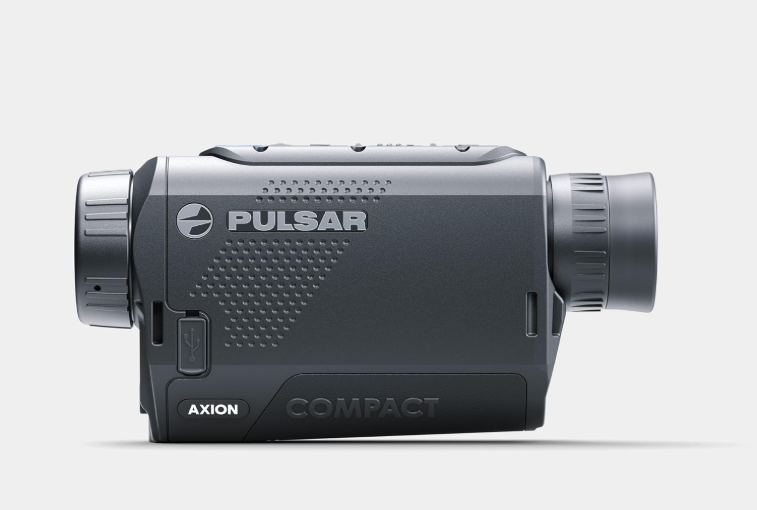
5 Best Budget Thermal Monocular for Hunting
1. AGM Global Vision Taipan V2 15-256 Thermal Imaging Monocular
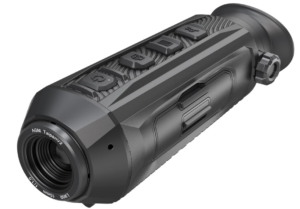
The AGM Global Vision Taipan V2 15-256 is positioned for users who need a practical entry into thermal optics without jumping into premium pricing tiers. The Best Budget Thermal Monocular for Hunting category is competitive, and this unit primarily appeals to hunters and outdoor users who want basic thermal detection for tracking heat signatures in low-light or completely dark environments.
At its core, this monocular uses a 256×192 thermal sensor and a 12μm pixel pitch, which means it is designed more for detection than fine identification. In real hunting scenarios, this translates to spotting heat sources like animals or human movement at distance, but not expecting highly detailed imaging. The included recording and Wi-Fi features add utility for reviewing field activity, but they are secondary to its primary detection function.
From a usability standpoint, the device is fairly straightforward to operate in the field. The control layout and app connectivity are built to reduce friction during night use, especially when switching between observation and recording modes. The 15mm lens and magnification range give flexibility for scanning wider areas, though digital zoom can reduce clarity when pushed too far.
Build quality is a stronger point here. The IP67 rating and rubberized housing make it suitable for harsh outdoor conditions such as rain, dust, and cold environments. However, expectations should remain grounded: while it is durable and functional, it is not designed to match higher-resolution thermal systems used in professional surveillance or advanced hunting setups.
Specifications
| Specification | Details |
|---|---|
| Thermal Sensor | 256×192, 12μm VOx |
| Objective Lens | 15mm |
| Magnification | Up to 17.5x |
| Detection Range | Up to 750m (manufacturer claim) |
| Display | 1280×960 LCOS |
| Battery Life | Up to 7 hours |
| Storage | 16GB internal memory |
| Connectivity | Wi-Fi with app support |
| Protection Rating | IP67 waterproof |
Pros
- Provides affordable entry into thermal hunting equipment
- Delivers usable heat detection in complete darkness
- Includes recording and Wi-Fi sharing capabilities
- Rugged build suitable for outdoor field conditions
- Lightweight design that reduces fatigue during long use
Cons
- Image detail is limited compared to higher-resolution thermal monocular
2. FLIR Scout TKx – Compact Infrared/Thermal Imaging Monocular
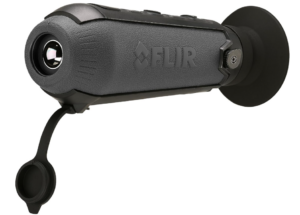
The FLIR Scout TKx is often considered by buyers who assume brand reputation automatically equals value in the Best Budget Thermal Monocular for Hunting category. That assumption is shaky here. While FLIR has a strong name in thermal imaging, this model is aimed more at casual wildlife observation than serious long-range hunting performance.
Its core strength is simple thermal detection in difficult visibility conditions. With a 90-meter detection range for human-sized targets, it is not built for long-distance scanning or advanced field tracking. It performs best in close-range environments such as forest edges, campsites, or quick wildlife spotting where identifying heat presence matters more than detail.
From an operational standpoint, the device is intentionally minimalistic. Manual focus and straightforward controls make it easy to use under pressure, especially for beginners. The multiple thermal palettes offer flexibility in interpreting heat signatures, but they don’t compensate for the limited range and relatively basic imaging output.
Durability is solid for outdoor use, with a waterproof design intended for wet and harsh conditions. Battery life is practical for a day session, but the overall system feels constrained by its short detection envelope. In real hunting scenarios, this means it can assist tracking nearby movement, but it will not replace higher-end optics when distance and clarity matter.
Specifications
| Specification | Details |
|---|---|
| Brand | FLIR |
| Model | Scout TKx |
| Detection Range | Up to 90 meters (human-sized target) |
| Lens Diameter | 42 mm |
| Focus Type | Manual focus |
| Display Modes | White hot, red hot, rainbow, iron, lava, color wheel, graded fire |
| Battery Life | Up to 7 hours |
| Waterproof Rating | IM-67 submersible standard |
| Weight | 0.37 pounds |
| Dimensions | 1.5″ x 1.5″ x 4″ |
Pros
- It delivers reliable thermal detection for close-range wildlife and human spotting.
- It offers multiple imaging modes that help interpret heat signatures in different environments.
- It has a compact and lightweight design that is easy to carry during field use.
- It provides up to 7 hours of battery life for extended outdoor sessions.
- It is built with a waterproof housing suitable for harsh weather conditions.
Cons
- Its limited 90-meter detection range significantly restricts effectiveness for serious hunting applications.
3. Pulsar Axion Compact Thermal Monocular
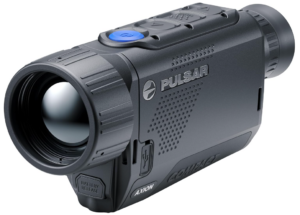
The Pulsar Axion series sits in a different league compared to entry-level thermal devices in the Best Budget Thermal Monocular for Hunting space. This is not a casual tool—it’s aimed at hunters who already understand thermal limitations and want better separation between heat signatures in complex environments like brush, fog, or uneven terrain.
Where it earns attention is in real detection quality. The sensor and display combination is built to improve clarity in mid-range scanning, especially when animals are partially hidden or blending into warm backgrounds. Instead of just “seeing heat,” it helps distinguish subtle differences, which is where cheaper monoculars usually fail. That matters more in hunting than raw range numbers.
Operationally, it’s designed for field efficiency rather than experimentation. The zoom flexibility allows quick scanning of wide areas before tightening focus on targets without completely losing image usability. The interface is streamlined, so users aren’t wasting time cycling through unnecessary settings when conditions change quickly.
In terms of build and field reliability, it’s clearly engineered for demanding outdoor use. The compact form factor makes it easy to carry for long tracking sessions, and the AMOLED display improves visibility in low-light transitions like dusk or dawn. However, it’s not forgiving to beginners—this device assumes you already know how to interpret thermal contrast effectively.
Specifications
| Specification | Details |
|---|---|
| Brand | Pulsar |
| Model | Axion |
| Thermal Sensor | 384×288 (XQ19 variant), higher variants up to 640×480 |
| Objective Lens | 19mm |
| Thermal Sensitivity | <20 mK NETD (variant dependent) |
| Display | AMOLED |
| Digital Zoom | 1.5–6x |
| Weight | 0.55 lbs |
| Battery Type | 9V battery (included) |
| Optical Design | Uncooled microbolometer detector |
Pros
- It delivers strong thermal contrast that improves target separation in complex environments.
- It performs reliably in fog, humidity, and low-visibility hunting conditions.
- It offers flexible zoom control for both wide scanning and focused tracking.
- It uses an AMOLED display that maintains clarity in extreme temperature changes.
- It has a compact design that supports long field use without excessive fatigue.
Cons
- Its higher price point makes it less suitable for true budget-focused buyers in thermal hunting.
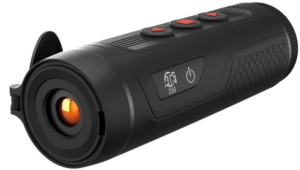
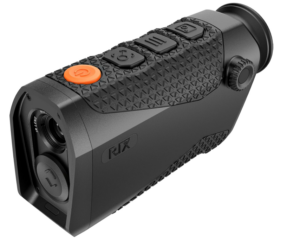
4. ATN BlazeSeeker 6, 10 mm Thermal Monocular
Also you can read about: 5 Best Thermal Monocular for Hunting
Advantages of Best Budget Thermal Monocular for Hunting
1. Faster access to usable night hunting tools
Using this keyword helps surface devices designed for real low-light and night tracking conditions. This matters because hunting in darkness requires tools that can reliably detect heat signatures. The advantage is quicker access to equipment that actually works in field conditions rather than general night optics. It reduces time wasted on unsuitable devices.
2. Focus on thermal detection capability
This keyword emphasizes devices built around heat detection rather than standard visual imaging. That matters because hunting often depends on identifying living targets through temperature differences. The advantage is clearer understanding of what the technology is meant to do. It keeps attention on functional detection performance instead of irrelevant features.
3. Better match for outdoor field conditions
The keyword naturally filters devices that are built for real environmental use like rain, fog, and rough terrain. That matters because hunting tools must survive unpredictable conditions. The advantage is improved reliability in selecting gear suited for outdoor durability. It reduces the risk of choosing fragile or indoor-focused equipment.
4. Helps identify practical range needs
This keyword guides attention toward devices that vary in detection distance and usability in real hunting scenarios. That matters because not every situation requires long-range performance. The advantage is better matching of equipment to terrain type, whether open fields or dense brush. It supports more efficient target tracking decisions.
5. Encourages realistic performance expectations
Using this keyword makes it clear that budget thermal monoculars have limitations in resolution and detail clarity. That matters because many users expect high-definition imaging from thermal devices. The advantage is better understanding of what these tools can and cannot do in the field. It prevents disappointment during actual use.
6. Improves selection of portable gear
This keyword includes compact handheld devices designed for carrying during long hunts. That matters because mobility affects how long users can stay active in the field. The advantage is easier selection of lightweight options that reduce fatigue. It supports longer and more flexible hunting sessions.
7. Helps prioritize essential features
The keyword keeps focus on core functions like detection, usability, and durability rather than secondary extras. That matters because unnecessary features can increase cost without improving hunting performance. The advantage is clearer decision-making based on what actually matters in practice. It improves value-focused selection.
8. Reduces confusion in technical choices
Thermal monoculars vary in sensor quality, sensitivity, and usability, which can overwhelm buyers. This keyword narrows the scope to budget hunting use cases. That matters because simplified categories help users make faster decisions. The advantage is reduced complexity when comparing suitable devices.
Conclusion
The Best Budget Thermal Monocular for Hunting category delivers practical performance focused on detecting heat signatures in low-light and no-light environments, with clear differences in range, clarity, and sensitivity across devices. Value is defined by how well each unit balances cost with usable field performance rather than delivering premium imaging. Reliability depends on durability, battery life, and consistency in outdoor conditions. These tools are most useful for hunters and outdoor users who need functional thermal detection without paying for high-end professional systems.
These products remain strong choices because they cover a wide range of real hunting needs, from short-range scanning to more capable mid-range tracking. Each option offers a different balance of portability, image clarity, and detection capability, allowing users to match gear to specific environments and hunting styles. The key takeaway is to choose based on actual field requirements like terrain, distance, and duration of use, rather than focusing on specs alone or marketing claims.