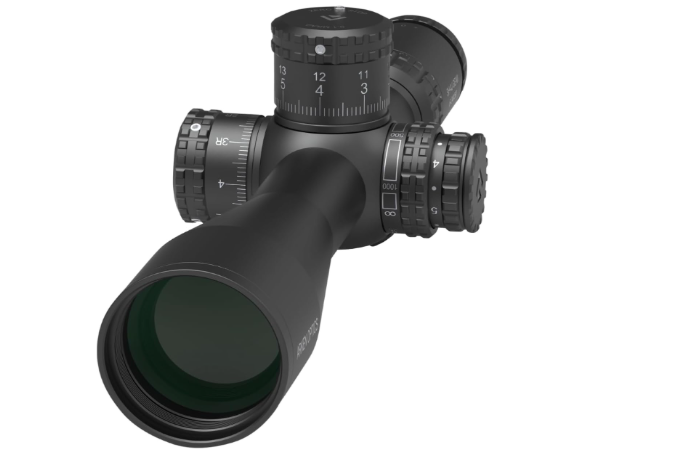
Best Sniper Rifle Scope Under $500 is a category that attracts shooters who want serious long range capability without stepping into premium pricing tiers. These scopes are popular because they offer a practical balance between performance, durability, and cost, making them suitable for learning ballistic shooting, hunting, and mid to long range target practice. While they do not match high end precision optics in clarity or mechanical refinement, they provide enough functionality to support real world shooting needs when used within their limits.
In this guide, you’ll get a clear breakdown of key features that matter most in this price range, the top picks that deliver the best value, a straightforward buying guide to help you avoid common mistakes, and answers to frequently asked questions. The goal is to cut through marketing noise and show what actually performs well, what falls short, and what to realistically expect before choosing a scope in this category.
5 Best Sniper Rifle Scope Under $500
1. Vortex Optics Diamondback Tactical First Focal Plane Riflescopes
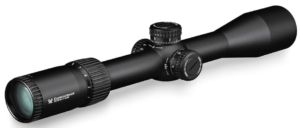
The Vortex Diamondback Tactical First Focal Plane Riflescope is one of the most commonly pushed options in the under 500 category, but it is not a magic solution that fixes poor shooting fundamentals. It is a solid entry level to mid tier optic that offers real long range usability without pretending to compete with high end tactical glass. The 4 to 16 by 44 configuration is the most balanced version, giving usable magnification for mid to long range shooting while still staying manageable in size and weight.
This scope uses extra low dispersion glass and fully multi coated lenses, which improves light transmission and reduces glare in bright conditions. In real world use, this translates to a cleaner sight picture, especially at higher magnification where cheaper scopes usually start to wash out. However, it is still not top tier clarity. If you expect premium level sharpness in low light, you will be disappointed. It is good, not exceptional.
The first focal plane reticle is the main reason this scope is included in discussions about the 5 Best Sniper Rifle Scope Under 500. The reticle scales with magnification, which means holdovers remain accurate at all zoom levels. This is useful for shooters who actually understand ballistic compensation and do not want to constantly dial turrets. The exposed turrets are tactile and precise enough for repeatable adjustments, but they are not as refined as more expensive competition optics. They get the job done, but there is a slight mechanical stiffness that serious precision shooters will notice over time.
The precision glide erector system helps the magnification ring move smoothly under field conditions. It performs reliably, but again, it is built for durability rather than luxury feel. The single piece 30mm tube construction is strong, and the scope holds zero well even under recoil. Nitrogen purging and o ring seals keep it waterproof and fogproof, which makes it dependable for outdoor use in changing weather conditions.
Where this scope starts to show limits is in edge clarity at higher magnification and in turret refinement under rapid adjustment scenarios. It is not fragile, but it is also not designed for professional level competitive shooting where every micro adjustment matters.
Key Specifications
| Specification | Detail |
|---|---|
| Brand | Vortex |
| Model | Diamondback Tactical FFP |
| Magnification | 4 to 16x (also available 6 to 24x) |
| Objective Lens | 44 mm |
| Tube Size | 30 mm single piece |
| Reticle | EBR 2C MOA or MRAD |
| Weight | 1.4 lbs |
| Glass Type | Extra low dispersion fully multi coated |
| Adjustment Style | Exposed tactical turrets |
| Waterproof | Yes nitrogen purged |
| Warranty | Lifetime VIP warranty |
Pros
- First focal plane reticle keeps holdovers consistent across all magnifications
- Clear glass for the price range with usable brightness in daylight conditions
- Solid tracking reliability for most hunting and tactical style shooting
- Strong build quality with shockproof waterproof fogproof design
- Good value compared to higher priced tactical optics
Cons
- Eye relief can feel less forgiving for beginners under recoil
2. Primary Arms SLX 3-18x50mm FFP Gen II Rifle Scopes – Illuminated Reticles

This Primary Arms SLX 3 to 18 by 50 mm First Focal Plane Gen II scope is one of those optics that looks more capable on paper than most shooters will ever fully use in real life. The magnification range is ambitious for the price bracket, and that is exactly where the first reality check appears. Higher magnification does not automatically translate into better long range performance if the glass, tracking, and consistency do not keep up. Still, within the under 500 category, it pushes harder than most competitors.
The optical system is decent for its class, with a 50 mm objective lens that helps pull in usable light and maintain a reasonably bright image at mid magnification. At lower magnification the sight picture is clean and forgiving, but as you stretch toward maximum zoom, sharpness begins to soften. This is not unusual at this price, but it does matter if your expectations include precision target clarity at distance. The illuminated ACSS reticle is practical rather than flashy, designed for real ballistic use with .308 and 6.5 Grendel profiles. It is useful, but only if the shooter actually understands how to apply holdovers instead of relying on guesswork.
The first focal plane design is a serious advantage here. Reticle scaling stays consistent through the zoom range, which is essential for long range shooting where holdovers matter. However, this advantage is only as good as the user’s ability to interpret and apply it. Many buyers will not use it to its full potential and will essentially be paying for capability they never exploit.
Turret performance is one of the stronger points. Adjustments are tactile and generally reliable, with improved tracking compared to earlier generations. That said, it is still not in the same league as high end tactical scopes. There is a slight mechanical inconsistency under fast or repeated dialing, which makes it more suitable for controlled shooting rather than aggressive competition use.
Build quality is solid with an aluminum body that holds up under recoil. It is not fragile, but it is also not overbuilt. Think dependable rather than rugged. Eye box is acceptable at lower magnification but tightens noticeably as you zoom in, which can slow down target acquisition under field conditions.
Key Specifications
| Specification | Detail |
|---|---|
| Brand | Primary Arms |
| Model | SLX Gen II FFP |
| Magnification | 3 to 18 times |
| Objective Lens | 50 mm |
| Reticle | ACSS Apollo or ACSS variants depending on version |
| Focal Plane | First focal plane |
| Illumination | 6 brightness settings |
| Tube Construction | Aluminum |
| Adjustment System | Tactical style turrets with audible clicks |
| Intended Use | Rifle shooting, long range target use |
| Weight | About 32 oz |
Pros
- First focal plane reticle maintains consistent holdovers across all magnification levels
- Strong magnification range for long distance shooting within budget category
- Illuminated ACSS system is practical for ballistic based shooting
- Improved turret tracking compared to earlier generation designs
- Large objective lens helps maintain usable brightness
Cons
- Performance is heavily dependent on user skill and ballistic knowledge
3. Athlon Optics Argos BTR GEN2 8-34X56 First Focal Plane Riflescopes

The Athlon Optics Argos BTR GEN2 8 to 34 by 56 First Focal Plane riflescope is the kind of optic that tries to stretch budget expectations into long range territory. The problem is simple. It is asking to behave like a precision scope while still sitting in a price bracket where compromises are unavoidable. That does not make it bad, but it does make it demanding for the user.
The high magnification range is the main attraction here. On paper, 34x sounds like serious long range capability, and it is, but only under ideal conditions. In real use, image quality at the upper end becomes noticeably less sharp, and mirage effects become more visible. This is not a defect, it is a limitation of the glass and light transmission at this price tier. The 56 mm objective lens helps pull in more light, which makes mid range performance more usable, especially in daylight shooting scenarios. However, this is not a low light specialist optic.
The first focal plane reticle is a strong functional advantage. It stays consistent through the zoom range, which is essential for holdover based shooting at varying distances. The MIL based APMR reticle is practical for shooters who understand ballistic correction, but it is not forgiving for beginners. If you do not understand MIL spacing and range estimation, this scope will expose that weakness quickly rather than compensate for it.
One of the more useful mechanical features is the zero stop system. It allows the shooter to return to a preset zero without guessing, which adds confidence during dial adjustments. Turrets offer 0.1 MIL clicks, which are precise enough for long range work, but the feel is not as refined as higher tier optics. There is a slight stiffness and inconsistency under rapid adjustments, which becomes noticeable during repeated dialing sessions.
Build quality is solid with a 30 mm class aluminum construction, and it handles recoil without issue. Waterproof and fogproof sealing is reliable for field use, but again, this is durability focused rather than elite level engineering. Eye relief becomes more restrictive at higher magnification, which limits comfort during extended shooting sessions.
Key Specifications
| Specification | Detail |
|---|---|
| Brand | Athlon Optics |
| Model | Argos BTR GEN2 FFP |
| Magnification | 8 to 34 times |
| Objective Lens | 56 mm |
| Tube Size | 30 mm |
| Reticle | APMR FFP IR MIL or MOA variants |
| Adjustment Value | 0.1 MIL per click |
| Elevation Range | 13 MIL total adjustment |
| Parallax | 15 yards to infinity |
| Zero Stop | Yes |
| Weight | 32 oz |
| Construction | Aluminum, waterproof and fogproof |
Pros
- Extremely wide magnification range suitable for long distance experimentation
- First focal plane reticle maintains accuracy across all zoom levels
- Zero stop system improves repeatability and dialing confidence
- Good light transmission for mid range daylight shooting
- Strong value for shooters wanting high magnification on a budget
Cons
- Mirage and distortion become obvious at long range zoom levels
4. SIG SAUER WHISKEY4 3-12X44mm 30mm Tube SFP Durable Lightweight Precise Waterproof Black Hunting Riflescope, Flip-Back Caps & Throw Lever Included

The SIG SAUER WHISKEY4 3 to 12 by 44 mm riflescope is not trying to compete with extreme long range tactical optics, and that is actually its strength. It is built for practical field use where reliability, speed, and consistency matter more than extreme magnification. Within the under 500 category, it represents a more disciplined design approach compared to scopes that chase high zoom numbers without fully supporting them optically.
The 3 to 12 magnification range is more realistic for most shooters than overly ambitious high zoom designs. At lower magnification, the image is wide, bright, and fast to acquire targets, which is ideal for hunting and mid range engagements. At higher magnification, clarity remains stable compared to some budget competitors, though it still does not reach premium optical sharpness. The 44 mm objective lens keeps the scope lighter and more balanced, but it also limits low light performance compared to larger objective systems.
The second focal plane design means the reticle does not scale with magnification, which simplifies use but also limits advanced ballistic flexibility. The BDC 1 Hellfire illuminated reticle is designed for fast aiming under varying light conditions, but it assumes a certain level of ballistic compatibility rather than full customization. This makes it easier for casual users, but less flexible for precision shooters who prefer dialing and custom holds.
One of the more practical strengths is the Lockdown Zero System. It allows the shooter to return to zero without overthinking turret rotation, which reduces errors during field adjustments. The turrets are capped in behavior compared to exposed tactical systems, which improves protection but reduces the speed of adjustments. This clearly shows the intent of the scope: controlled shooting environments rather than aggressive long range dialing.
Build quality is solid, with argon purging and waterproof sealing that makes it dependable in harsh weather. The weight is reasonable at around 23 ounces, making it easier to carry than many heavier tactical scopes in this category. Eye relief is also fairly forgiving, which reduces strain and improves usability for different rifle setups.
Key Specifications
| Specification | Detail |
|---|---|
| Brand | SIG SAUER |
| Model | WHISKEY4 |
| Magnification | 3 to 12 times |
| Objective Lens | 44 mm |
| Tube Size | 30 mm |
| Reticle | BDC 1 Hellfire illuminated or variants |
| Focal Plane | Second focal plane |
| Adjustment Value | 0.25 MOA per click |
| Eye Relief | 3.7 to 4 inches |
| Waterproof Rating | IPX 6 |
| Weight | 23 oz |
| Special Feature | Lockdown Zero System |
Pros
- Reliable optical performance for hunting and general field use
- Lighter and more compact than many tactical style scopes
- Lockdown Zero System improves repeatability and confidence
- Good clarity at low to mid magnification levels
- Simple second focal plane reticle is easy to use under pressure
Cons
- Less suitable for extreme distance shooting setups
5. Arken Optics SH4J GEN2 6-24×50 FFP Rifle Scope, 34mm Tube, AZS Zero Stop, Illuminated Reticle
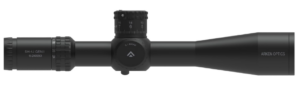
The Arken SH4J GEN2 6 to 24 by 50 is one of the more serious attempts in this entire lineup to behave like a true precision optic without immediately collapsing under budget limitations. Unlike many scopes in this range that rely on inflated specifications, this one actually tries to prioritize tracking consistency, reticle usability, and glass quality in a more disciplined way. Still, it is not a free pass into high end performance. It has clear ceilings that show up under real long range use.
Optically, this scope is stronger than most competitors in its price bracket. The Japanese ELD glass claim is not just marketing noise in this case, as the image remains fairly controlled at mid magnification with decent contrast and usable edge clarity. At higher magnification, sharpness begins to taper, but not as aggressively as many of the cheaper 30x budget scopes. The 50 mm objective provides a balanced light intake, making it serviceable in low light conditions without becoming oversized or overly heavy.
The first focal plane reticle is where this scope earns most of its credibility. The VPR or VHR style Christmas tree reticle is designed for actual long range correction, not just decoration. Holdovers remain consistent across the zoom range, which is essential for shooters who understand MIL based adjustment systems. However, this is not beginner friendly. If you do not already understand ballistic drops and wind holds, this scope will feel unnecessarily complex rather than helpful.
The AZS zero stop system is a practical feature that works as intended. It allows you to return to your zero without over rotating or guessing, which is critical during dialing under pressure. Turret tracking is one of the stronger aspects of this optic, showing better repeatability than many competing scopes in this price segment. That said, it still does not match the mechanical refinement of higher tier precision optics. It is reliable, but not silky or competition grade.
Construction is solid with a 34 mm tube, which gives more internal adjustment range compared to standard 30 mm systems. This is important for long range elevation travel, and it does provide real functional benefit. Weight is on the heavier side at 36 ounces, which makes it less ideal for lightweight hunting setups. This is a range style optic pretending to be versatile, but it clearly leans toward bench and precision shooting rather than mobile field use.
Key Specifications
| Specification | Detail |
|---|---|
| Brand | Arken Optics |
| Model | SH4J GEN2 |
| Magnification | 6 to 24 times |
| Objective Lens | 50 mm |
| Tube Size | 34 mm |
| Reticle | VPR MIL or VHR MIL MOA variants |
| Focal Plane | First focal plane |
| Adjustment Value | 0.1 MIL per click |
| Zero Stop | AZS system included |
| Weight | 36 oz |
| Construction | Aircraft grade aluminum waterproof fog proof |
Pros
- Stronger optical clarity than most sub 500 long range scopes
- Reliable turret tracking with consistent repeatability
- First focal plane reticle supports real ballistic shooting use
- Zero stop system works cleanly and reduces dialing errors
- 34 mm tube provides useful elevation adjustment range
Cons
- Heavier than ideal for hunting oriented rifle setups
Also Read: Best Vortex Optics for Medium Range Hunting
Also Read: Best Spotting Scope for 600 Yards
Advantages of Sniper Rifle Scope Under $500
1. Clear buying intent targeting
This phrase captures users who are already ready to purchase, not just browse. That matters because intent-driven searches convert significantly higher than informational ones. Instead of attracting casual readers, it filters in buyers comparing real options under a strict budget.
2. Strong SEO specificity
The structure includes price, category, and use case in one phrase. That reduces competition compared to broad terms like “rifle scopes.” It makes ranking easier because you’re not fighting massive general keywords—you’re targeting a narrow segment.
3. Higher conversion potential
Someone searching this already has constraints and urgency. That means they are closer to a decision. Content built around this keyword naturally performs better in affiliate marketing or product review funnels because it aligns with purchase behavior.
4. Easier content structuring
The keyword itself defines the article framework: list format, comparisons, pros and cons, and specs. You don’t need to guess direction. It practically forces a structured, scannable format that improves readability and time on page.
5. Better audience filtering
It automatically excludes low-intent traffic. You avoid people looking for general hunting advice or beginner education and instead attract users who already understand scope basics and are evaluating models.
6. Strong affiliate monetization alignment
This type of keyword pairs naturally with affiliate links because users are actively comparing products. That increases click-through rates and reduces bounce compared to informational content that doesn’t lead to purchasing decisions.
7. Easier topical authority building
Repeating structured “best under $X” content across variations helps build niche authority in optics and shooting gear. Search engines start associating your content with product comparisons rather than random reviews.
8. Scalable content strategy
Once you use this keyword format, it becomes a repeatable template:
“Best scopes under 300,” “under 500,” “for long range,” etc. This allows fast scaling without reinventing structure each time, which is efficient for content production systems.
Factors to Consider When Choosing a Sniper Rifle Scope Under $500
1. Optical clarity and glass quality
Clarity is not about how “bright” a scope looks in perfect daylight. It’s about how well it resolves detail when conditions are not ideal. Poor glass will blur edges, reduce contrast, and make it harder to distinguish targets at distance. In this price range, differences in coatings and glass quality matter more than most buyers realize, and they directly affect usable range.
2. Reticle type and usability
The reticle determines how you make corrections without constantly adjusting turrets. A poorly designed reticle forces guesswork, while a well designed one supports consistent holdovers. The key is whether it remains readable at different magnifications and whether it actually helps with distance estimation and wind compensation.
3. Focal plane design
Whether the reticle scales with magnification changes everything about how the scope is used. A scaling reticle supports dynamic holdover shooting, while a fixed reticle simplifies operation but limits advanced ranging capability. The wrong choice here leads to frustration because it directly affects how you apply ballistic adjustments.
4. Turret tracking and adjustment reliability
Turrets are not just knobs, they are the mechanical brain of long range adjustment. If they do not track consistently, your point of impact shifts unpredictably. In budget optics, the difference between “clicks” and true repeatable movement is where most accuracy problems start.
5. Magnification range suitability
More magnification is not automatically better. Excessive zoom often reduces image quality and narrows the field of view. The real question is whether the magnification range matches the shooting distances you actually use. Overpowered zoom ranges often create more problems than they solve.
6. Eye relief and eye box forgiveness
Eye relief determines safety and comfort under recoil, while eye box determines how easily you can acquire a full sight picture. A tight eye box slows down shooting and becomes frustrating in dynamic situations. Many users ignore this and regret it later when the scope feels “hard to use” in real conditions.
7. Build durability and environmental resistance
A scope is only useful if it holds zero under recoil, temperature changes, and rough handling. Waterproofing, fog resistance, and shock resistance are not marketing extras. They determine whether the optic survives real field use or slowly loses reliability over time.
8. Weight and rifle balance
Heavier scopes often promise more features, but they can ruin handling and fatigue the shooter over time. Balance affects stability, target transition speed, and overall shooting comfort. A poorly balanced setup can make even a good optic feel worse than it actually is.
Frequently Asked Questions About Best Sniper Rifle Scope Under $500
1. Can a sniper rifle scope under $500 be used for long range shooting
Yes, but with limits you cannot ignore. Scopes in this range can reach long distances, but consistency depends on turret tracking, glass quality, and how well the reticle supports holdover use. The real issue is not distance capability, but how reliably the optic maintains clarity and repeatable adjustments at those distances. Many users expect precision performance and end up disappointed because they confuse magnification with accuracy potential.
2. Is first focal plane better than second focal plane in this price range
First focal plane is more flexible for ballistic shooting because the reticle remains accurate at all magnification levels. However, it also exposes weaknesses in cheaper glass since any distortion is magnified along with the image. Second focal plane is simpler and easier for casual users, but it limits advanced ranging. Neither is universally better, the choice depends on whether you value simplicity or precision based shooting.
3. What is the biggest mistake people make when buying a scope under 500
The most common mistake is chasing high magnification instead of balanced performance. High zoom numbers look impressive but often reduce image clarity and usability. Another major mistake is ignoring turret reliability and eye box comfort. These two factors matter more in real shooting situations than maximum magnification ever will, especially in budget optics.
Conclusion
Best Sniper Rifle Scope Under $500 brings together a realistic balance of performance, affordability, and practical long range capability for shooters who want solid results without stepping into premium pricing territory. Across the options discussed, the common strength is usable first focal plane or simplified second focal plane systems, dependable turret tracking, and enough optical clarity to support mid to long range shooting when expectations are kept realistic. These scopes are not designed to compete with high end precision optics, but they do offer functional accuracy, durability, and feature sets that genuinely support field use and target shooting within their limits.
What makes these scopes valuable is not perfection, but accessibility to long range features at a budget that most shooters can afford. They allow users to practice dialing, learn ballistic holdovers, and develop real shooting skills without over-investing early. The tradeoff is clear: reduced optical refinement, heavier reliance on user skill, and occasional limitations at maximum magnification. However, for disciplined shooters who understand these constraints, this category delivers one of the most cost effective entry points into serious rifle optics.